Where the future arrived early… and never stopped evolving.
Shanghai doesn’t feel like a place you visit — it feels like a system you temporarily plug into.
For a traveler who likes cities as living organisms (and not open-air museums), this is one of the most intense urban experiences on Earth. More than Beijing, more than Tokyo — Shanghai is motion.
A port that became an empire.
An empire that became a laboratory.
A laboratory that became a preview of tomorrow.
First Impressions
Shanghai is huge, but strangely readable.
You won’t get lost geographically — you’ll get lost chronologically.
Walk one street and you’re in 1930.
Turn the corner and it’s 2050.
- Jazz bars older than your country’s airline
- Delivery robots crossing intersections
- People paying with their face
- Grandmothers doing tai chi next to Prada
The city isn’t chaotic — it’s synchronized at high speed.
The Essential Neighborhoods
The Bund & Huangpu River — The Past Facing the Future
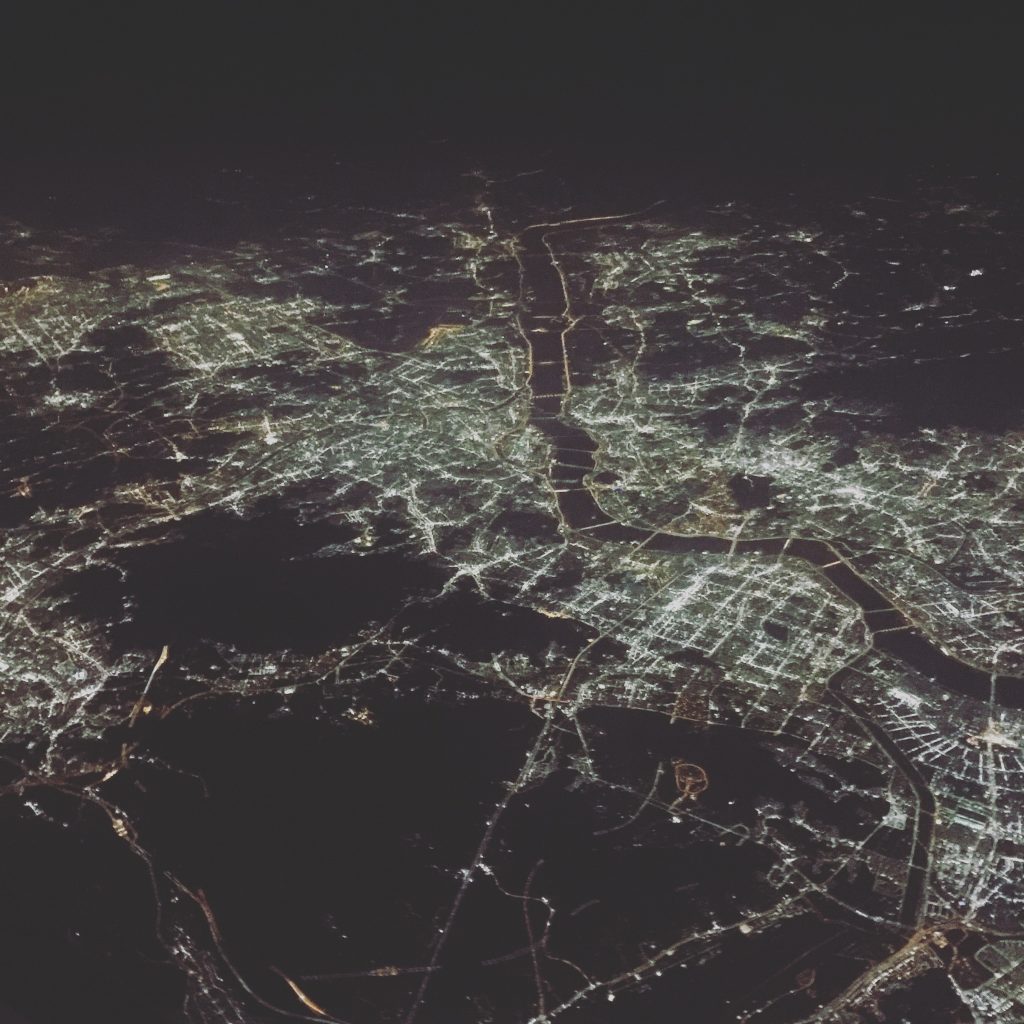
The classic postcard — but also a philosophy.
European financial architecture on one side
Hyper-capitalist skyline on the other
It’s the only place where history and speculation stare at each other every night.
Do
- Walk at sunrise (locals > tourists)
- Take the public ferry for €0.30 views
- Come back after rain — reflections double the skyline
French Concession — Human-Scale Shanghai
If Pudong is the future, this is the soul.
Leafy streets, cafés, bookstores, bakeries — and surprisingly European urbanism.
You can spend days here without seeing a skyscraper.
Best for
Slow urban photography
Morning wandering
Coffee culture
Lujiazui — The Megacity Core
Not a district — a statement.
Standing under these towers feels less like tourism and more like witnessing a species redesign its habitat.
Tip: go up one tower, not all.
The experience is vertical perspective, not checklist collecting.
Food — The Real Reason the City Exists
Shanghai cuisine is about subtlety, not spice.
Must try
- Xiaolongbao (soup dumplings) — eat carefully, they fight back
- Shengjianbao — crispy bottom dumplings
- Scallion oil noodles
- Hairy crab (seasonal obsession)
- Late-night skewers on plastic stools
Tip: the best meals often look like nothing from the outside.
Practical Reality
- Metro: among the world’s best — use Alipay/WeChat QR
- Cash: basically obsolete
- Language: translation apps solve 90%
- Air quality: usually fine, but skyline may fade some days
- Best time: October–November (golden light season)
A Different Way to Experience Shanghai
Instead of monuments, track rhythms:
Morning — parks & tai chi
Afternoon — malls as social ecosystems
Evening — river walks
Night — convenience stores & neon
Shanghai reveals itself in cycles, not sights.
Maarten’s Note
If cities are airports for human life, Shanghai is a hub airport — not comfortable, not relaxing, but endlessly fascinating.
You don’t come here to rest. You come here to recalibrate your idea of scale.
Some places show history.
Some places show culture.
Shanghai shows trajectory.
And once you notice it, every other city suddenly feels like a smaller version of time.