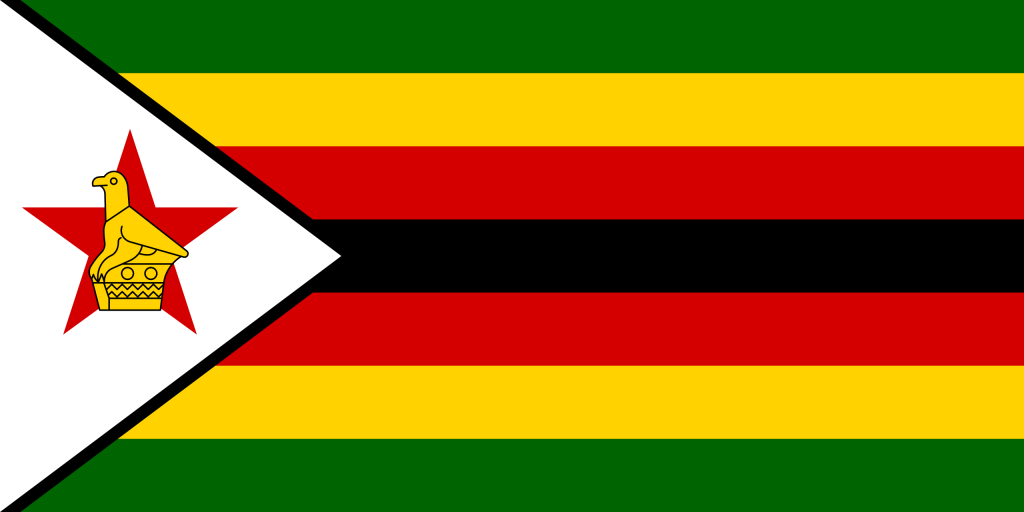
Introduction to National Flags
National flags are powerful symbols that represent a country’s identity, history, and values. They are used to signify sovereignty and unity, and they appear in important settings such as government buildings, international events, public ceremonies, and times of national celebration or mourning.
Most national flags are made up of specific colors, patterns, and symbols, each chosen for a reason. Colors may reflect natural features, political movements, religious beliefs, or historical struggles. Symbols—such as stars, crosses, stripes, or coats of arms—often represent ideals like freedom, unity, faith, or independence.
The design of a national flag is usually rooted in a country’s past. Many flags were adopted during moments of major change, such as independence, revolution, or the formation of a new state. Over time, these flags become deeply meaningful to citizens and are treated with respect, often protected by laws and traditions.
Across the world, flags serve not only as markers of nationality but also as visual stories—telling us where a nation has come from, what it values, and how it sees itself among other nations.
Also check Red flags in relationships and other flags
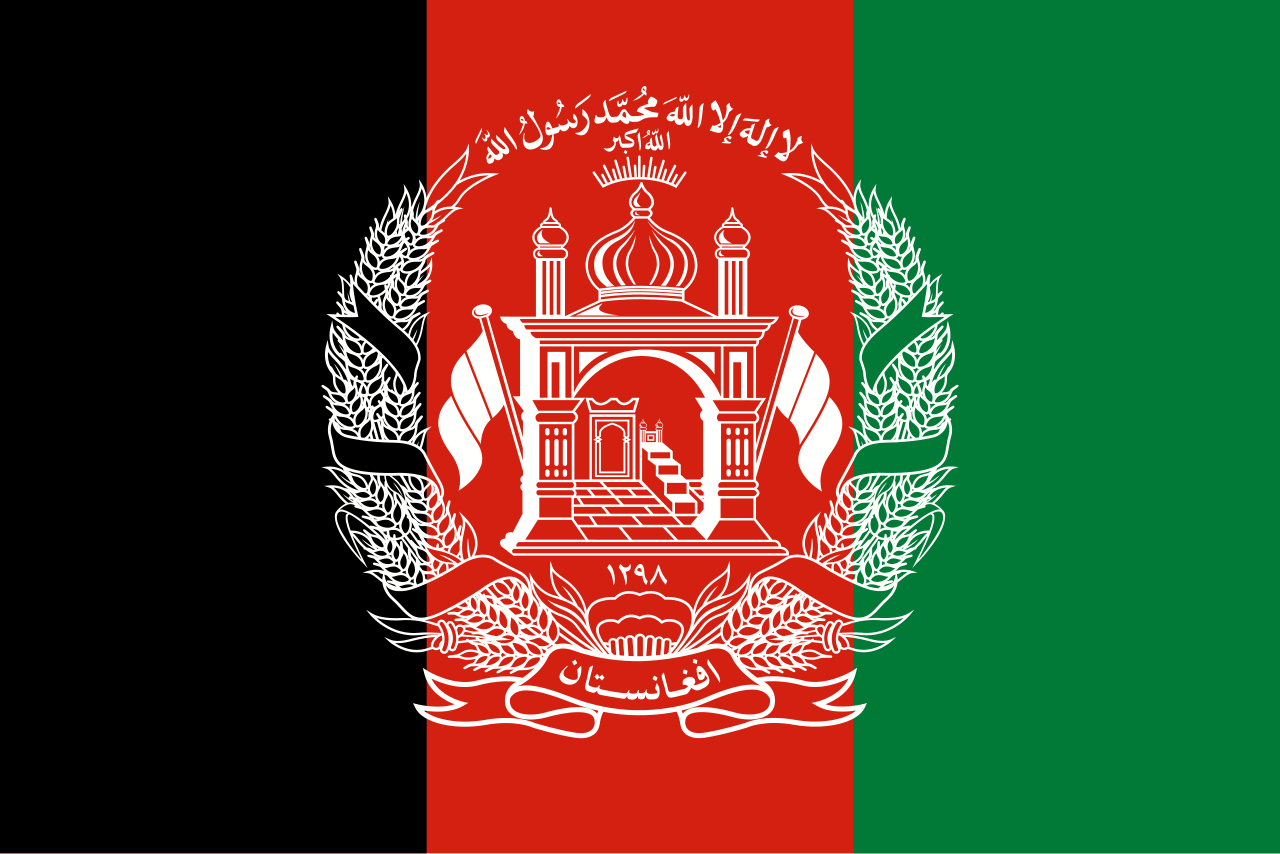
Afghanistan capital is Kabul 🇦🇫

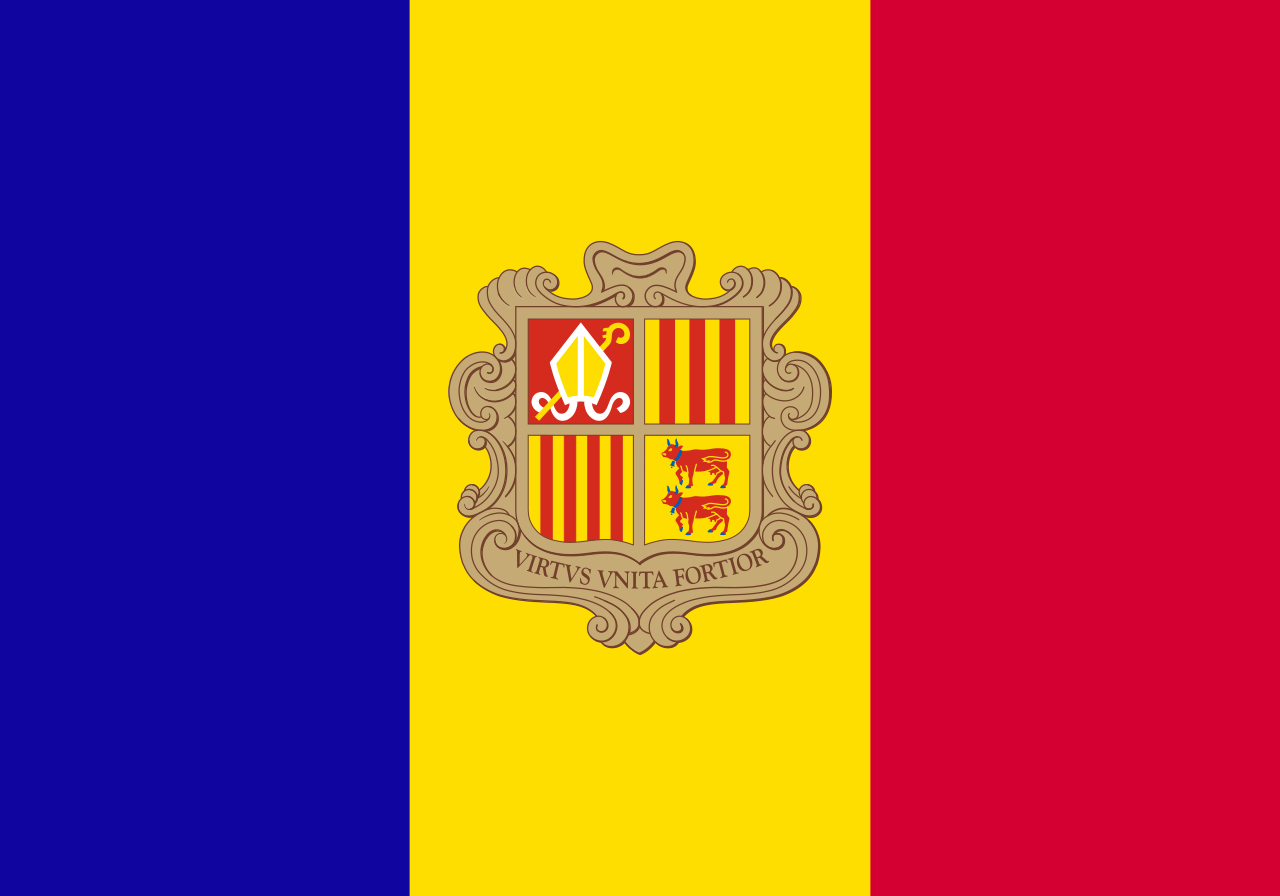
Andorra capital is Andorra la Vella 🇦🇩
Angola capital is Luanda
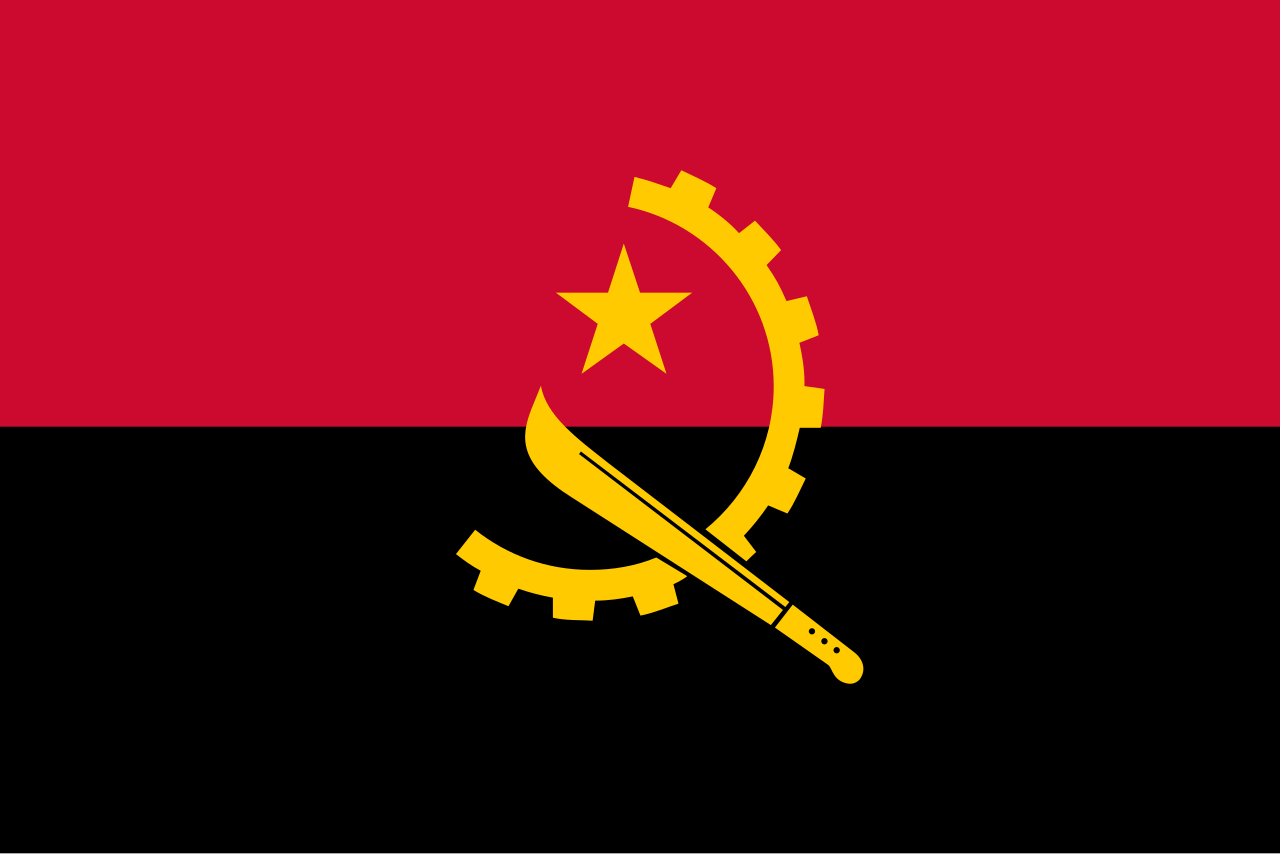
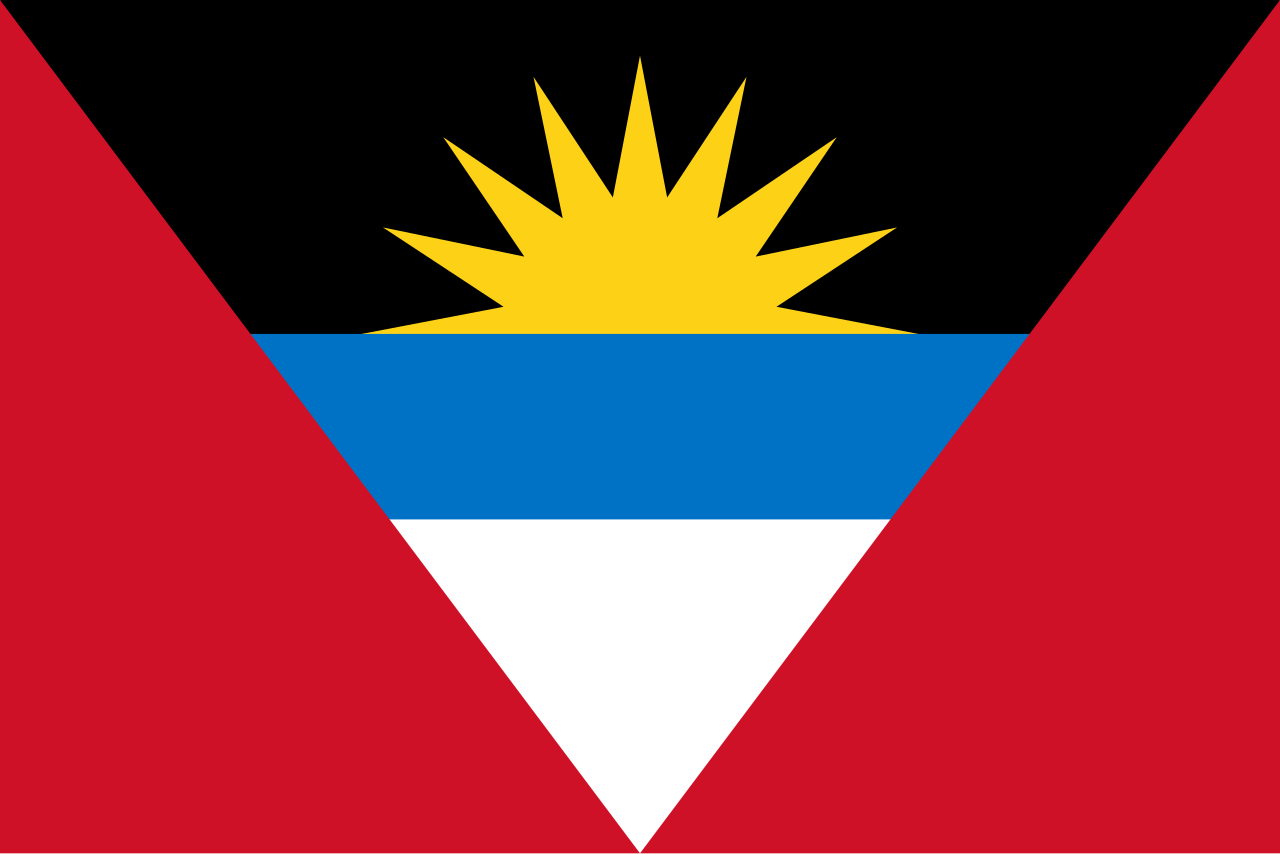
Antigua and Barbuda capital is Saint John’s
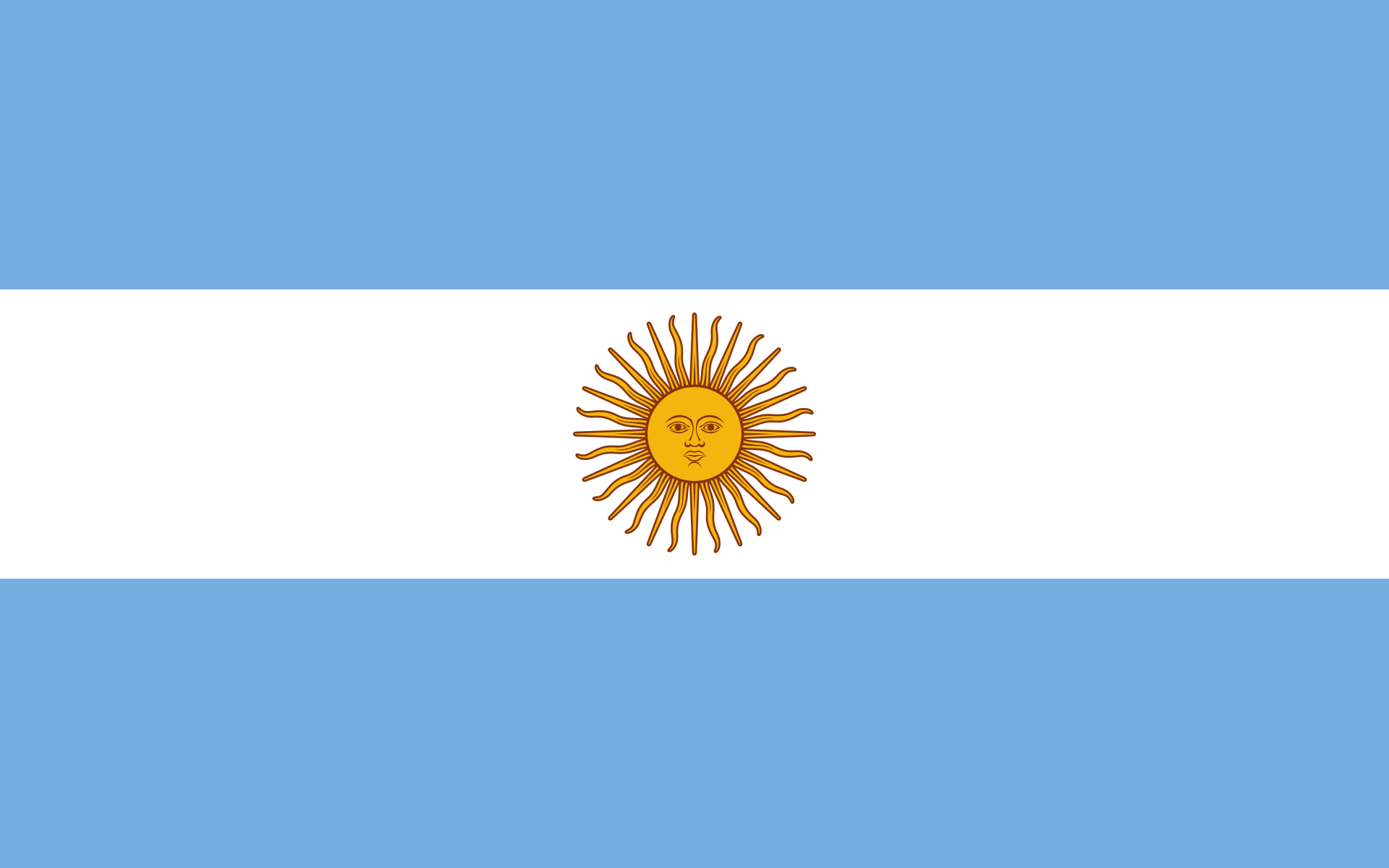
Argentina capital is Buenos Aires
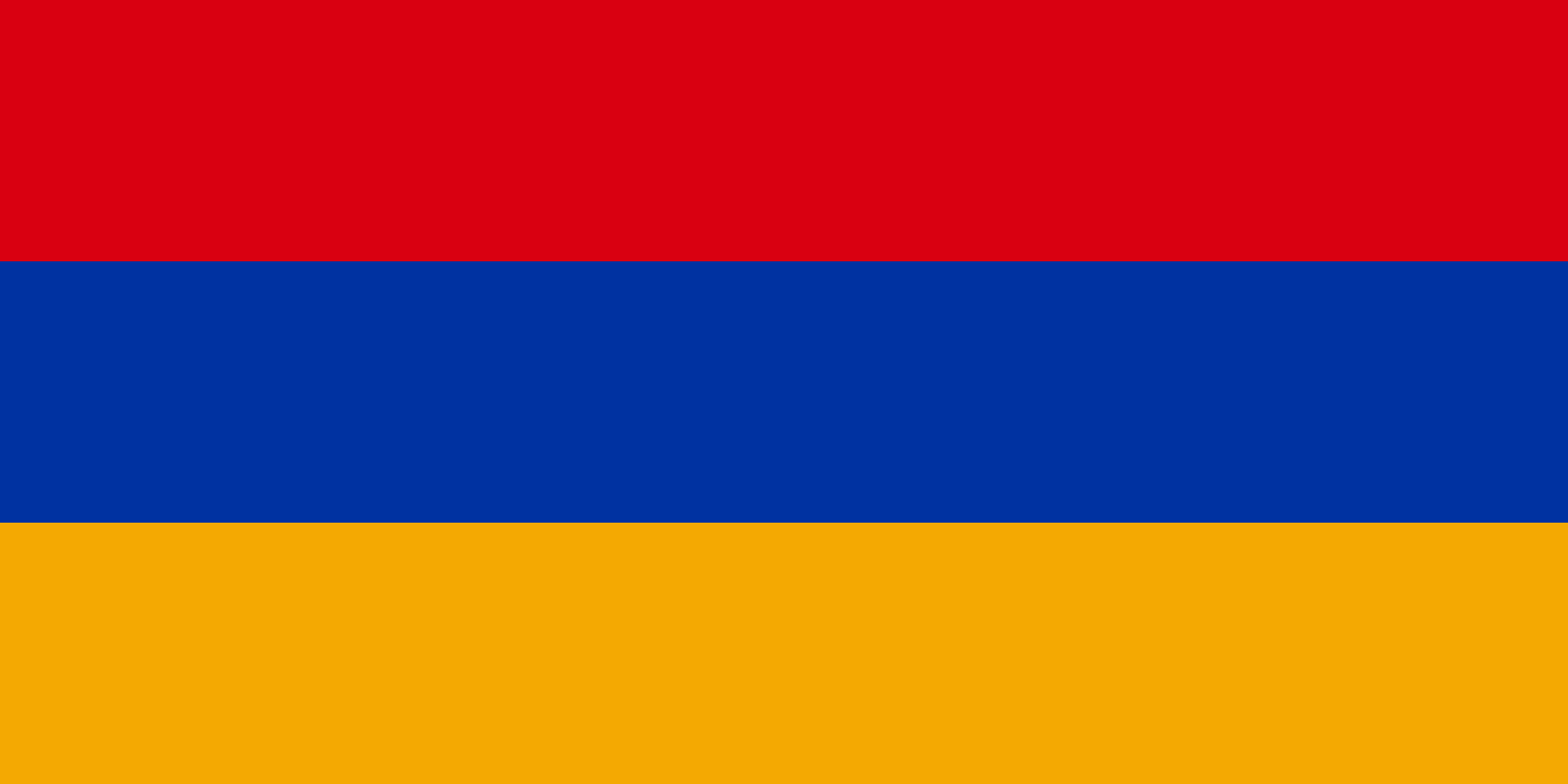
Armenia capital is Yerevan
Australia capital is Canberrra
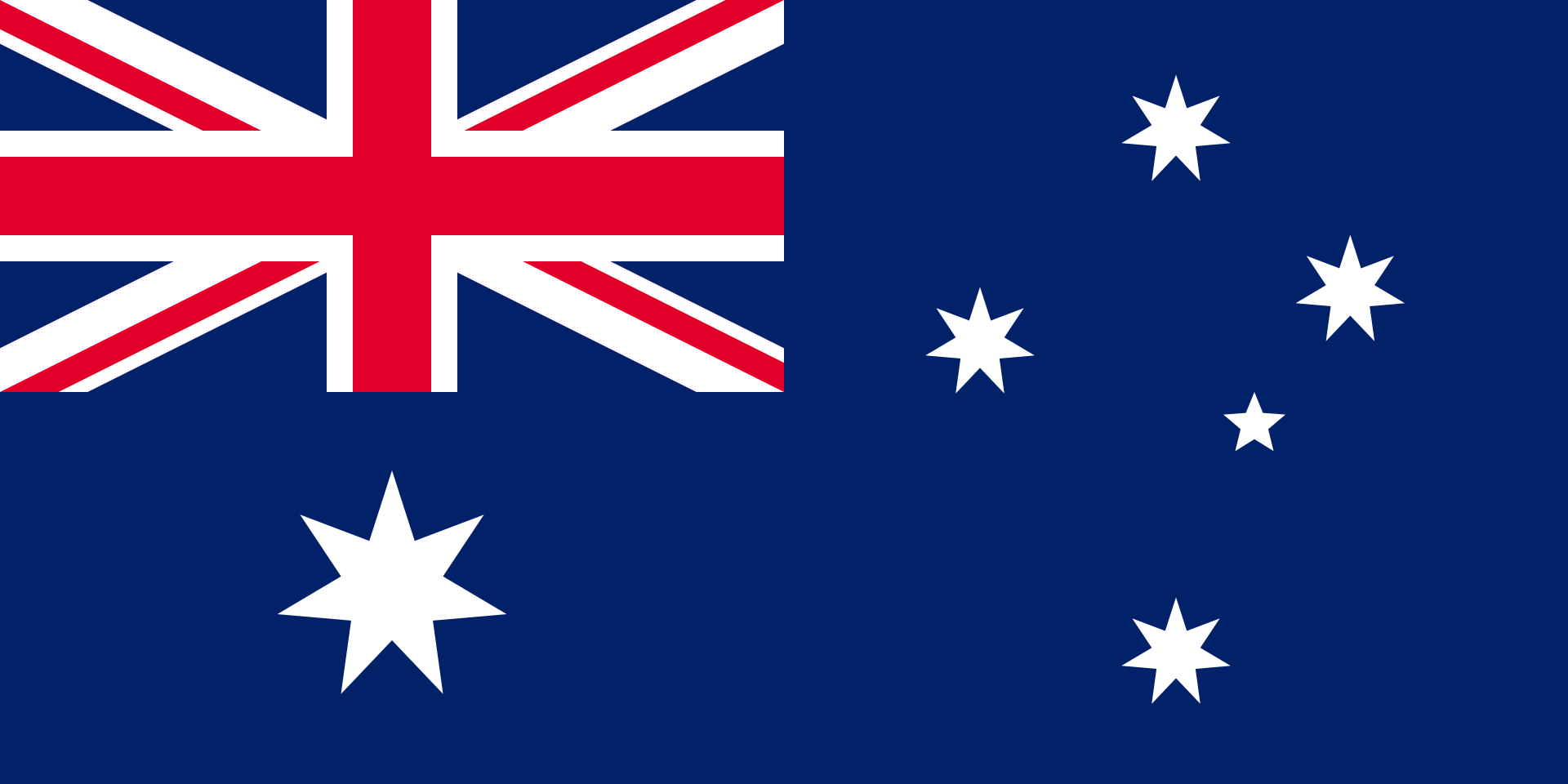
Austria capital is Vienna
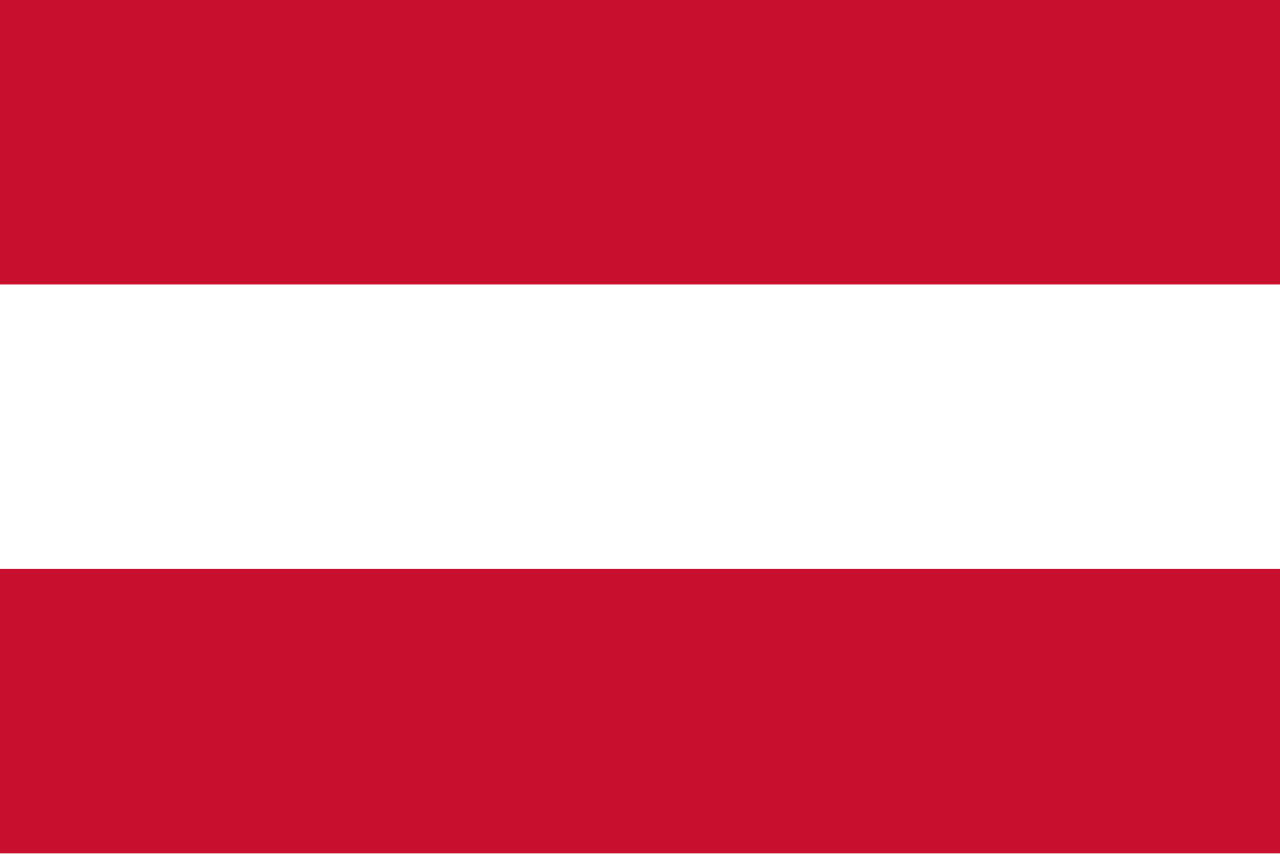
Azerbaijan capital is Baku
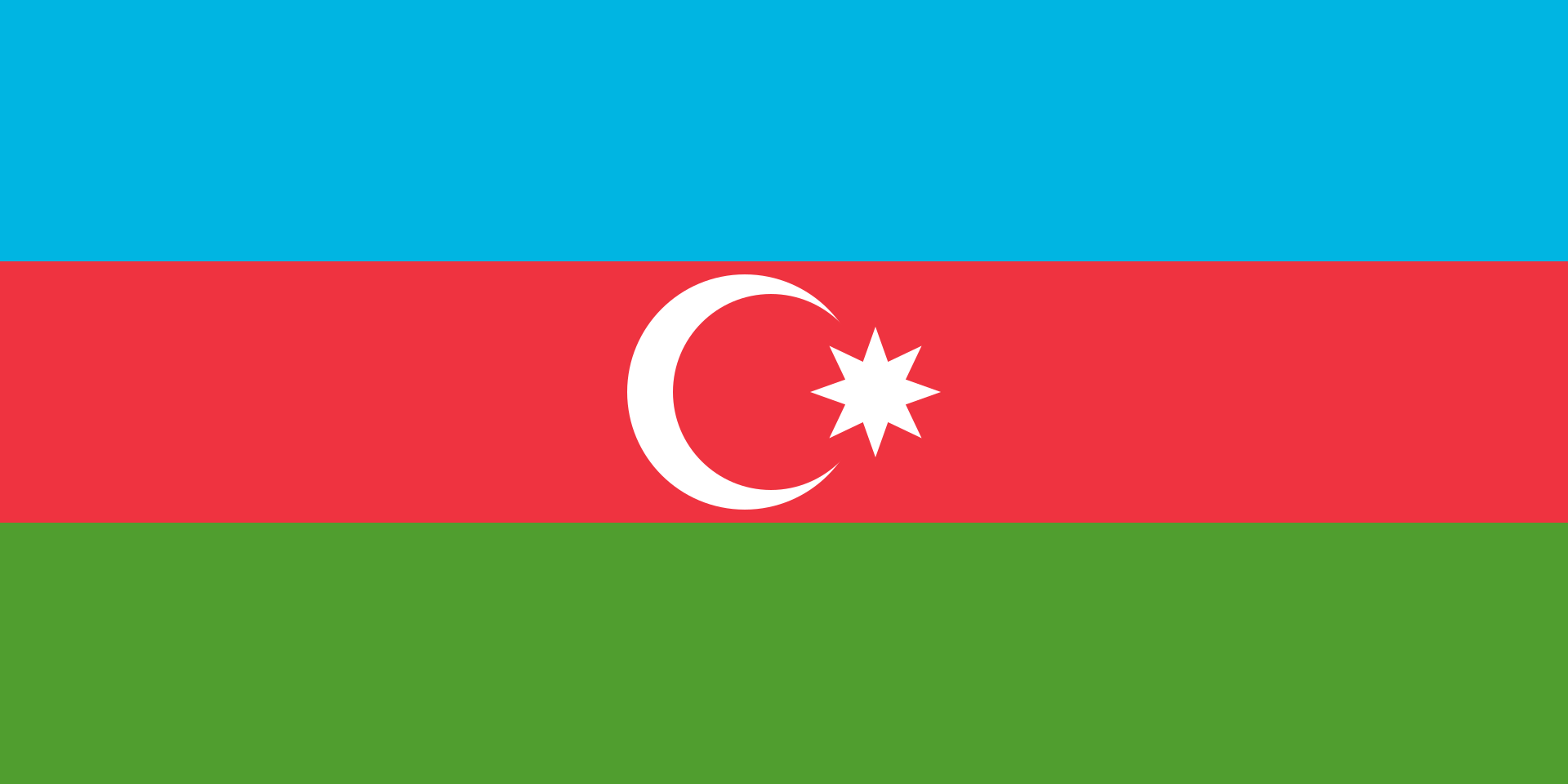
Bahamas capital is Nassau
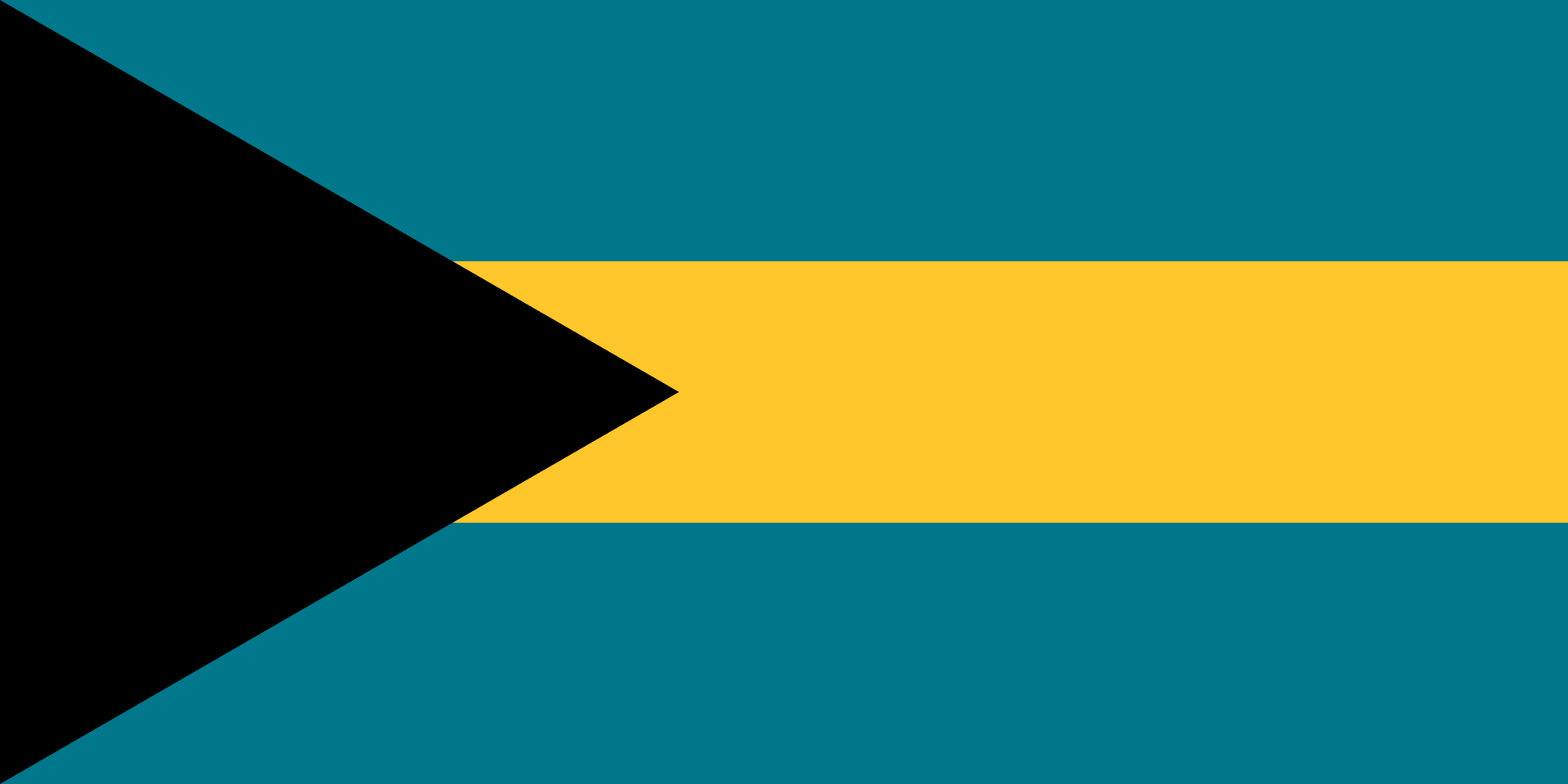
Bahrain capital is Manama
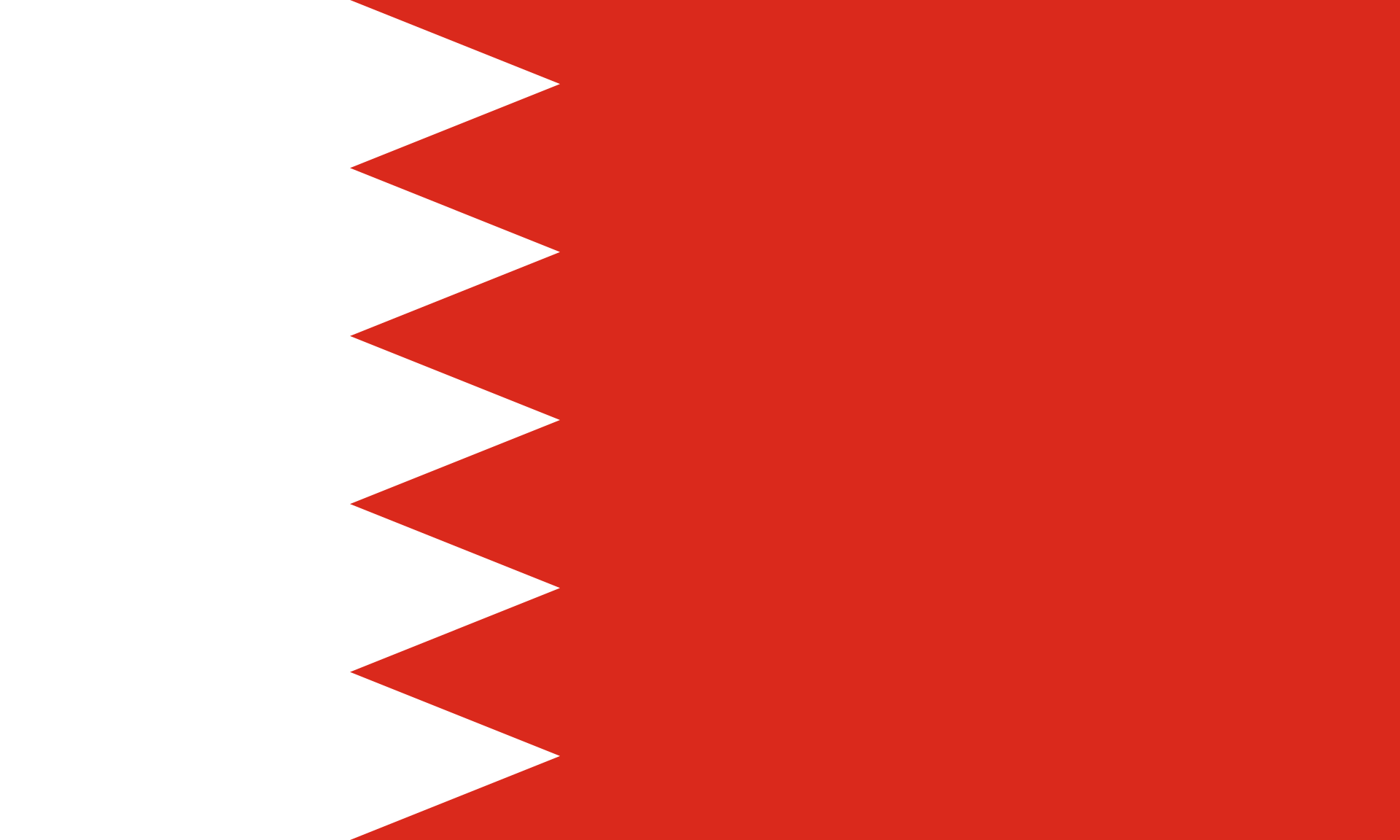
Bangladesh capital is Dhaka
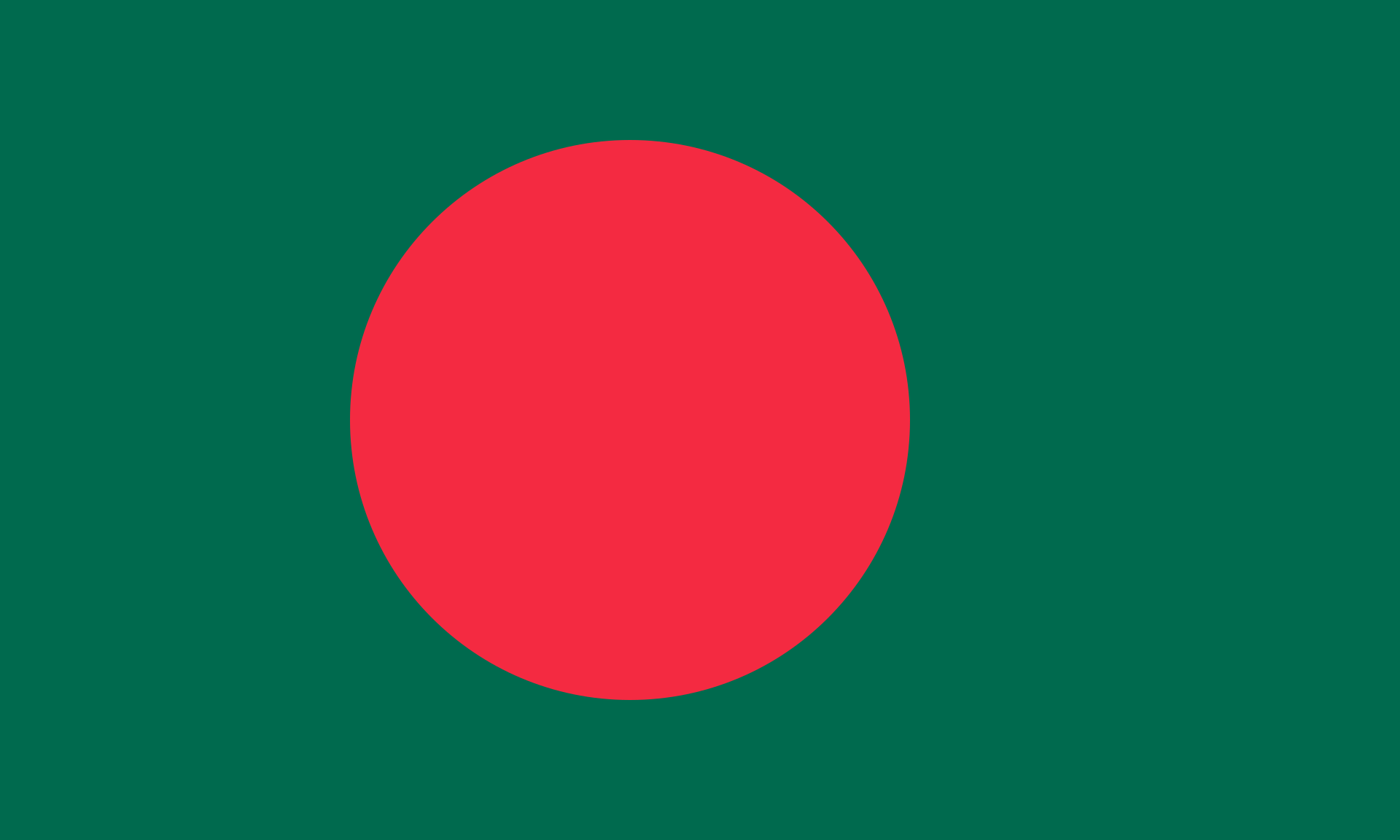
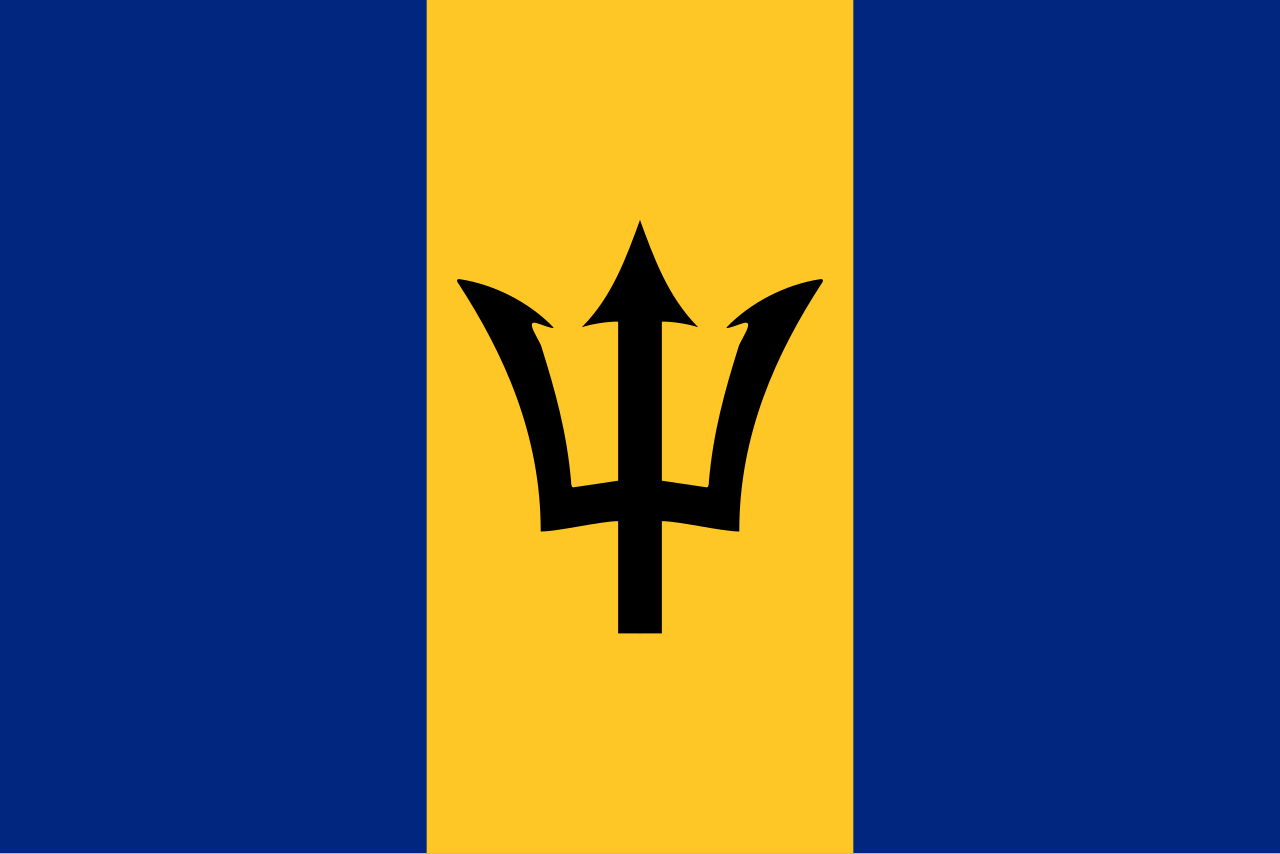
Belarus capital is Minsk
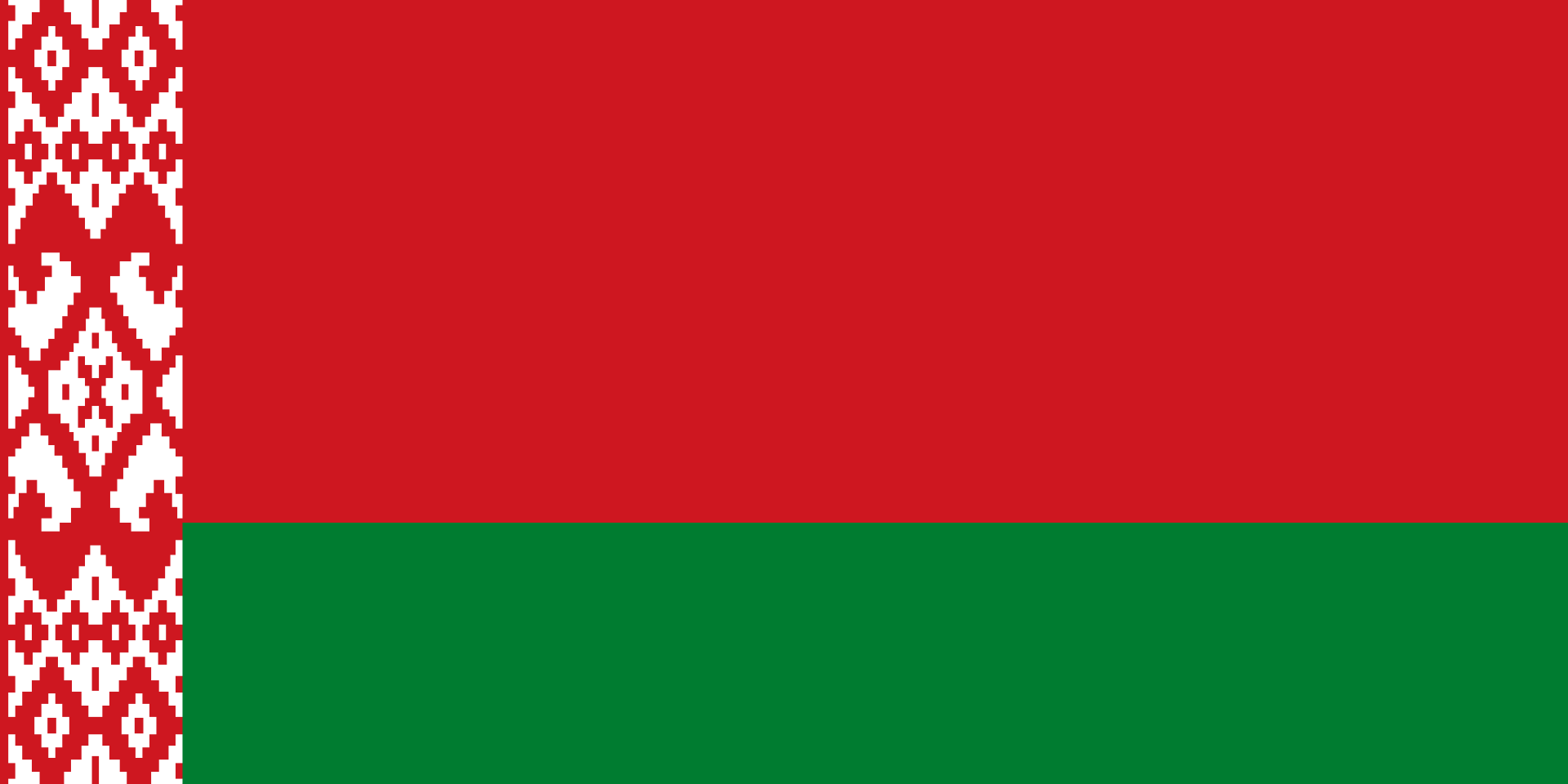
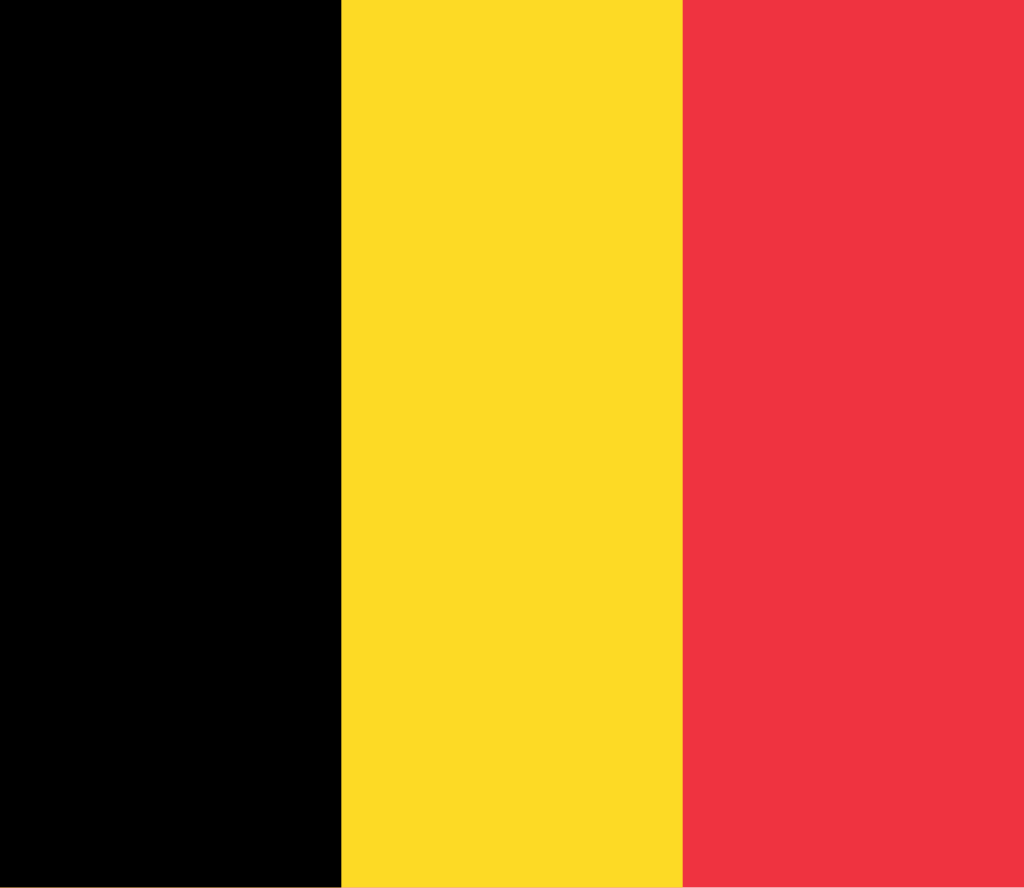
Belgium capital is Brussels
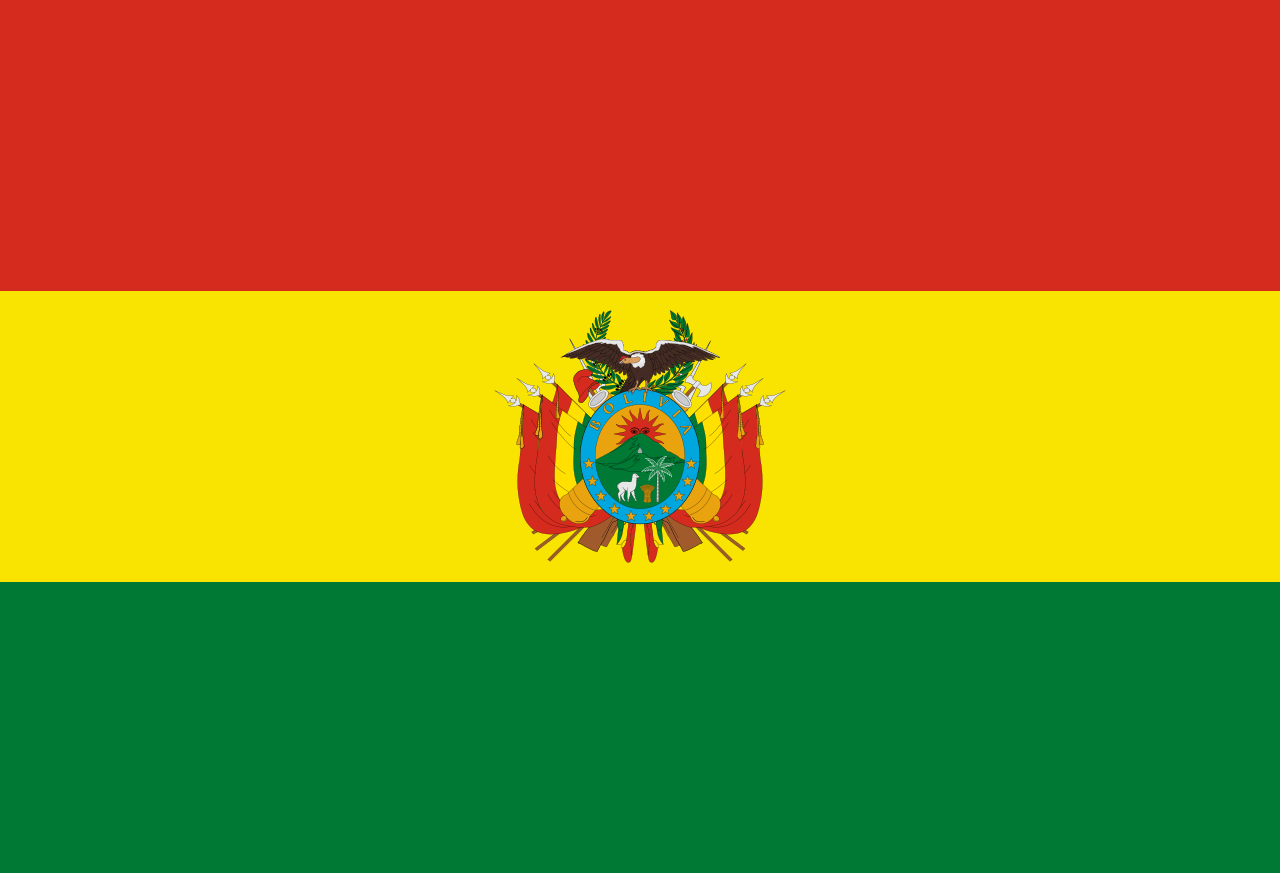
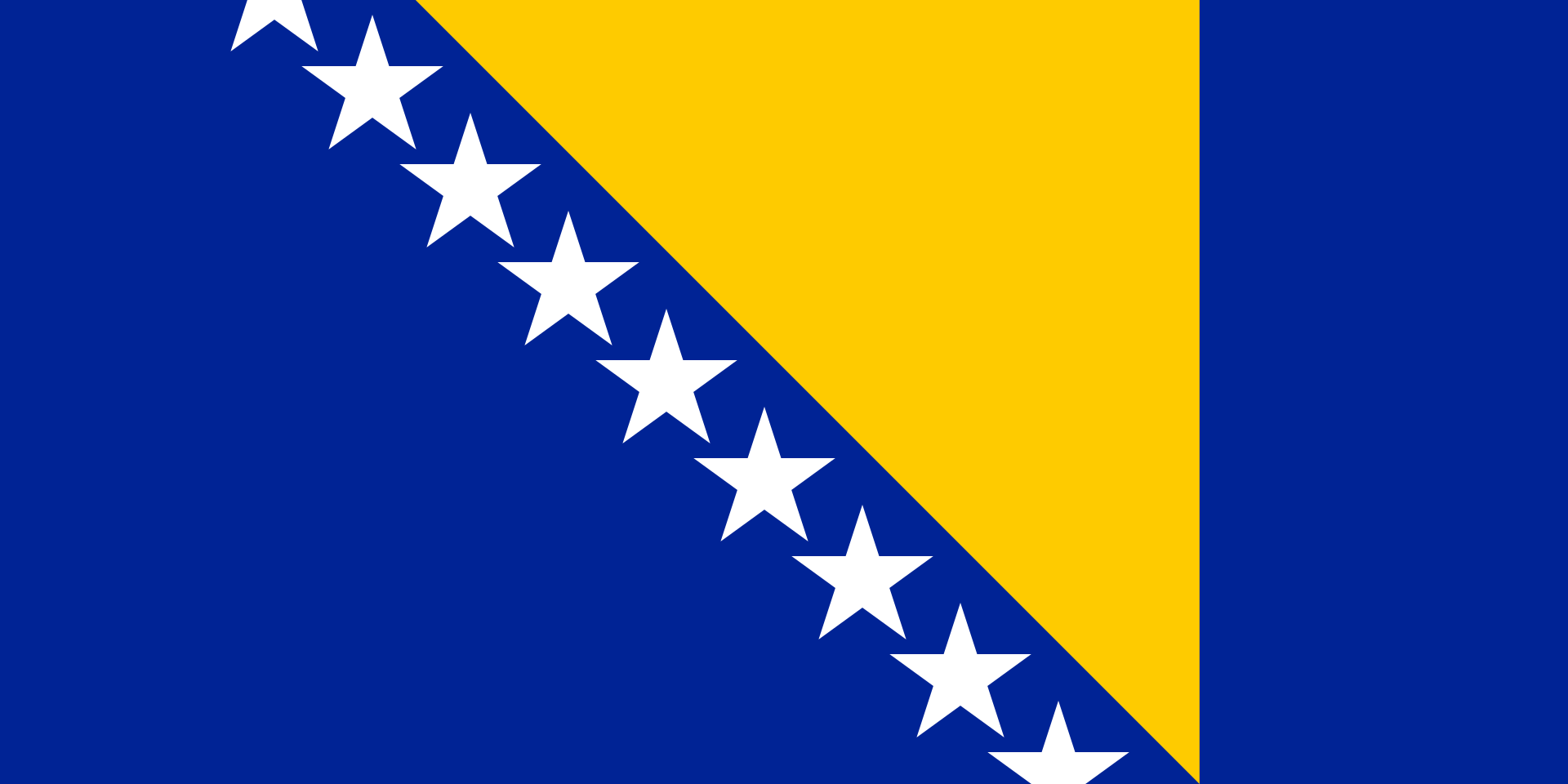
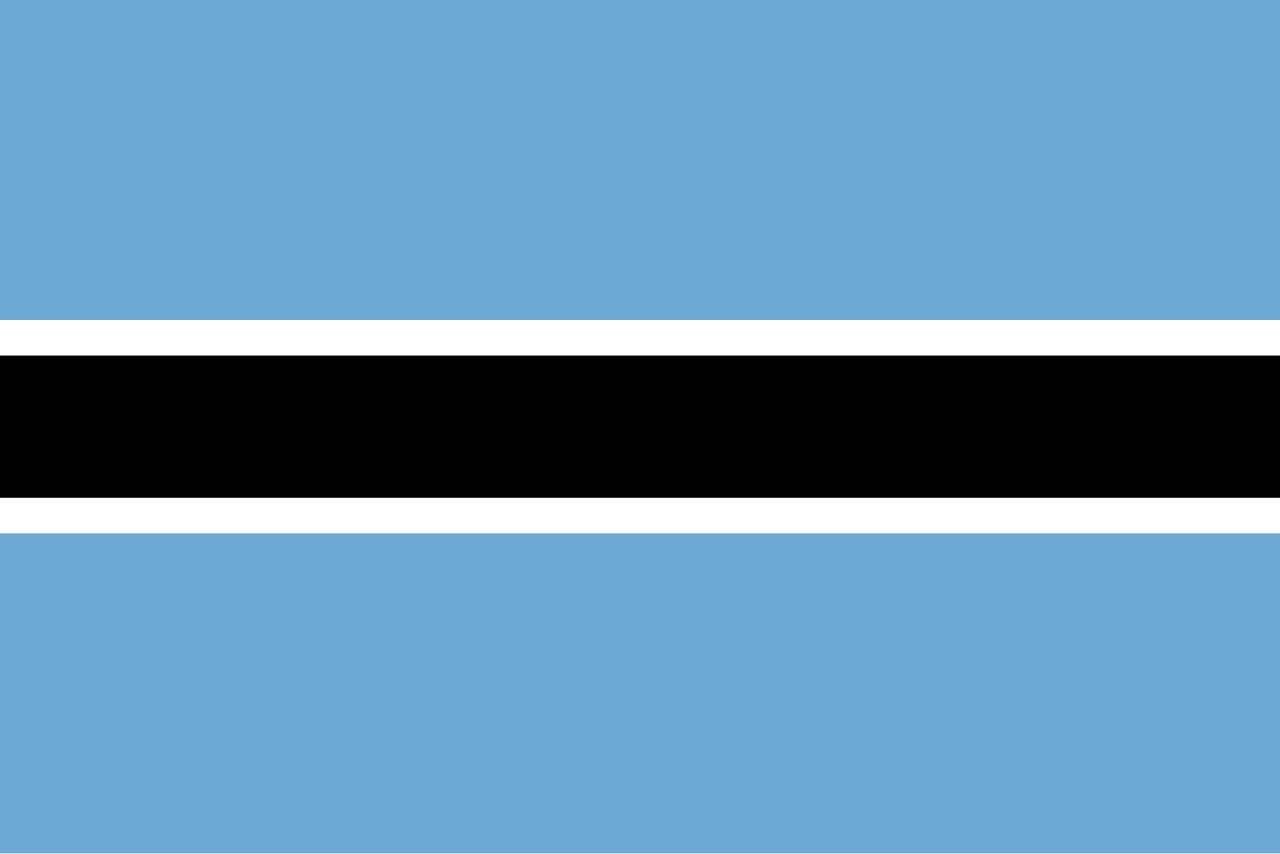
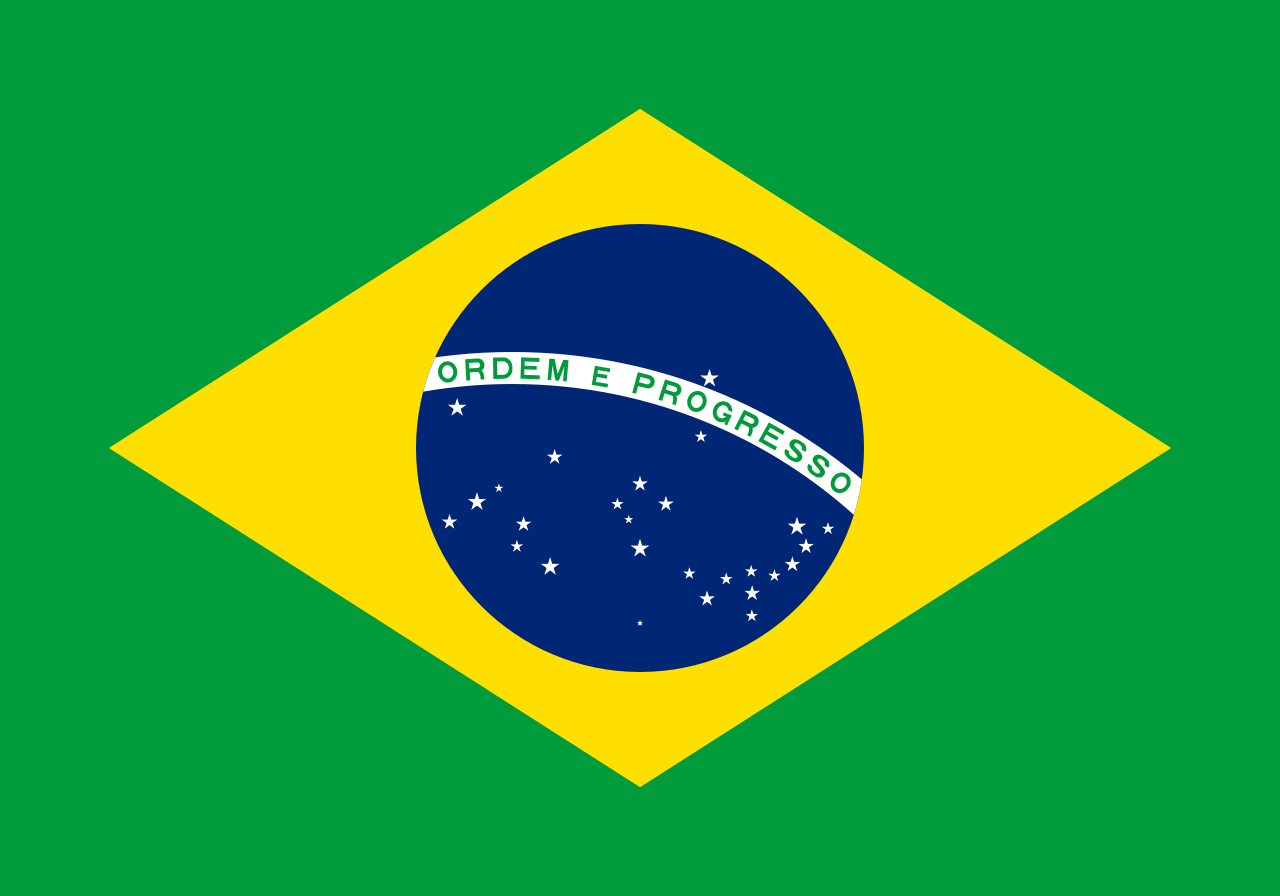
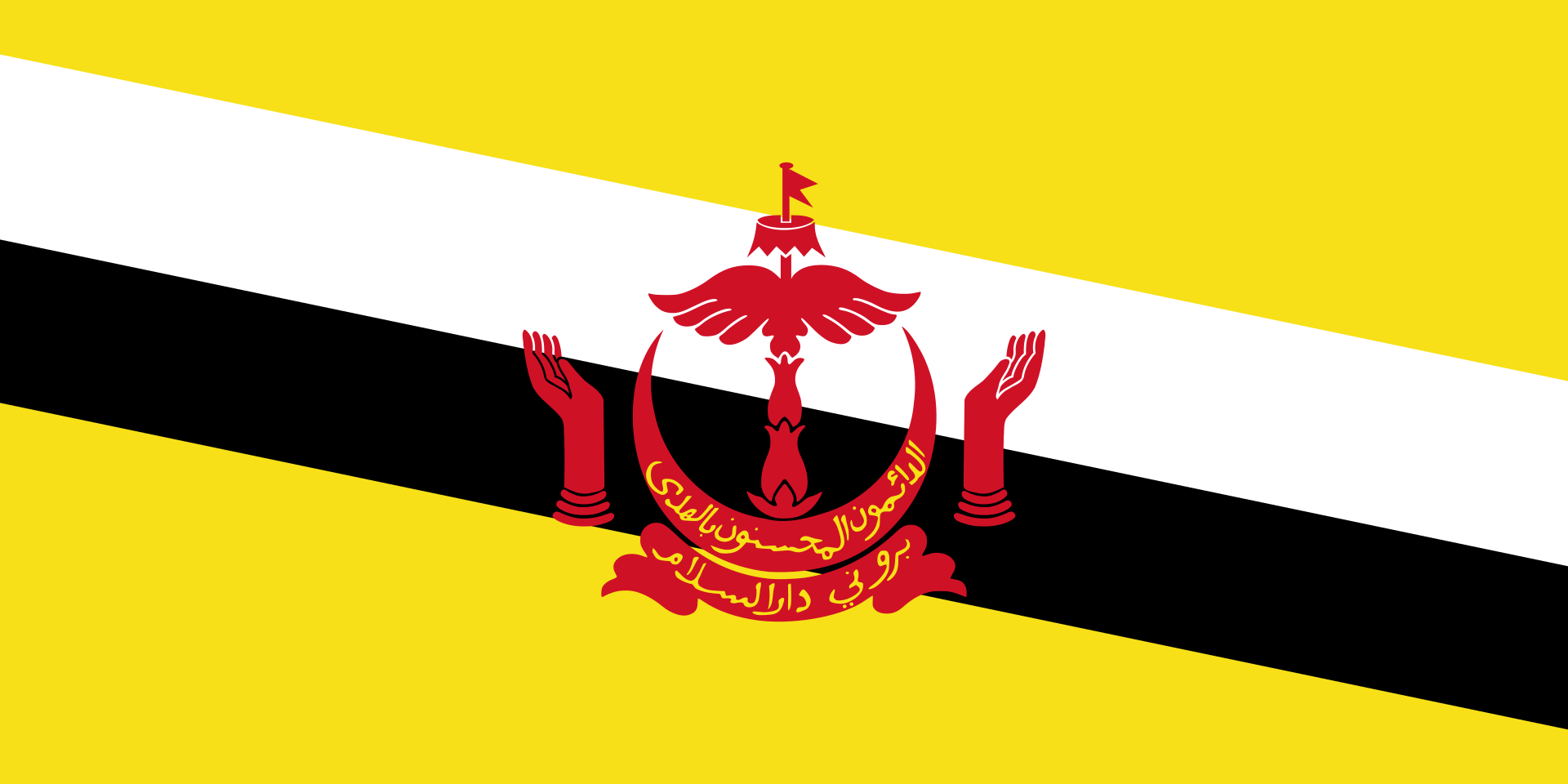
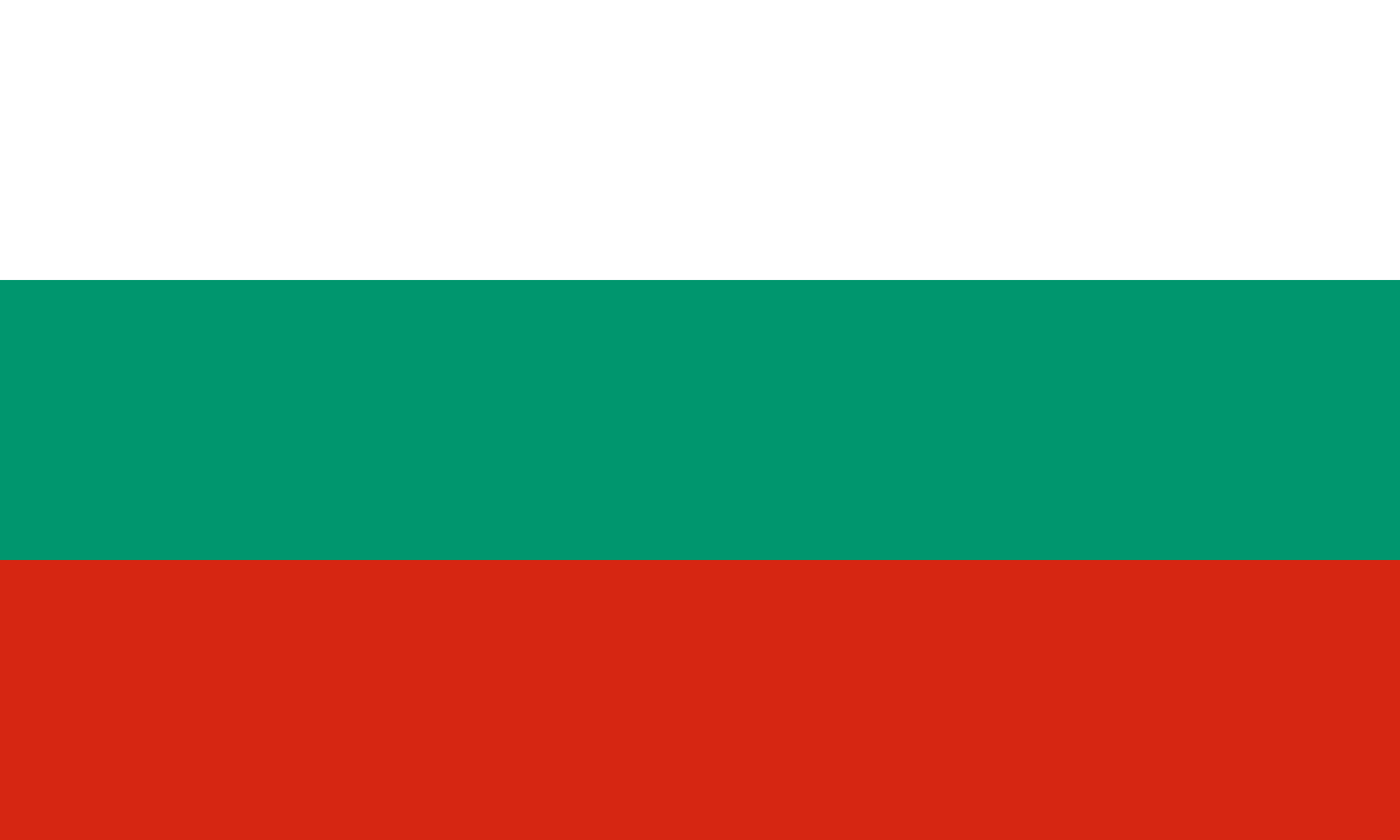
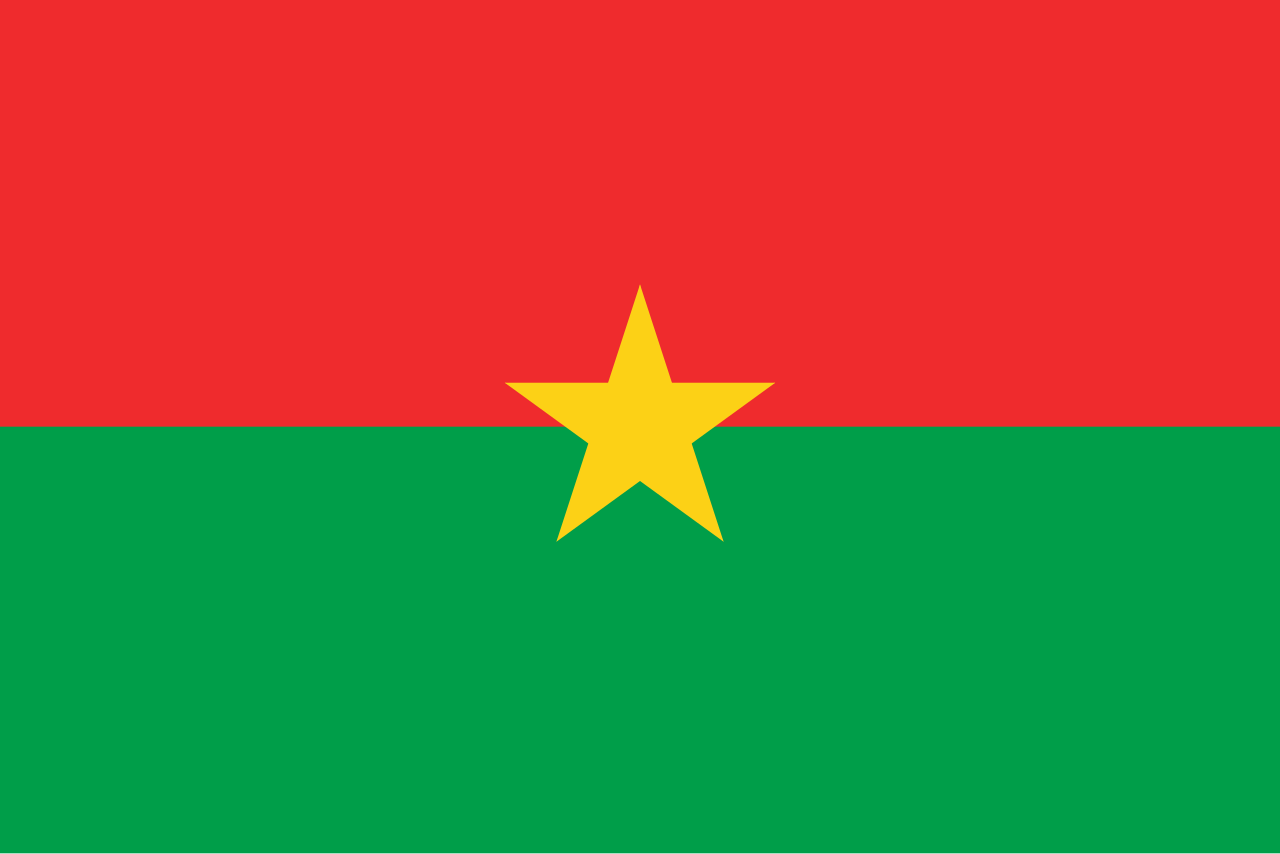
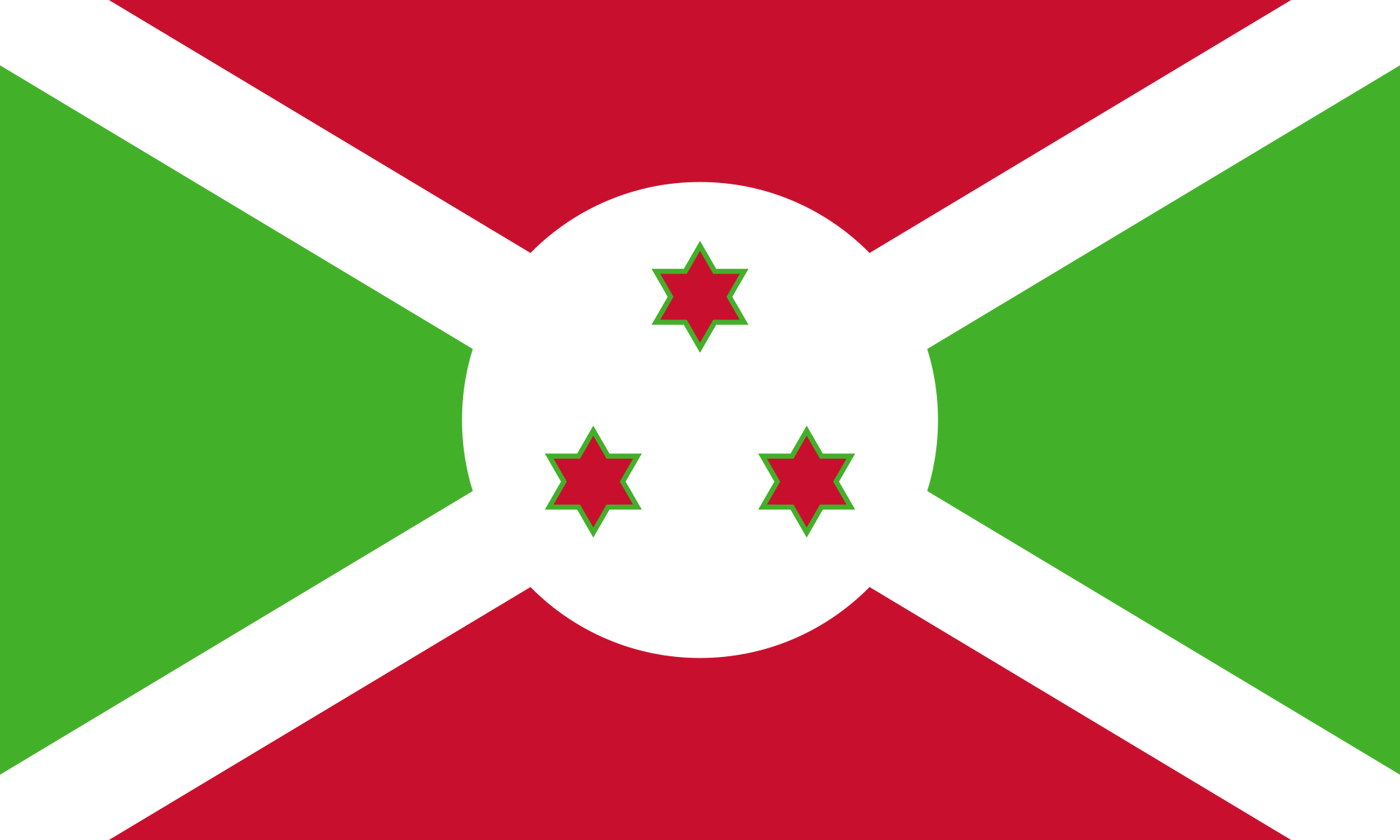
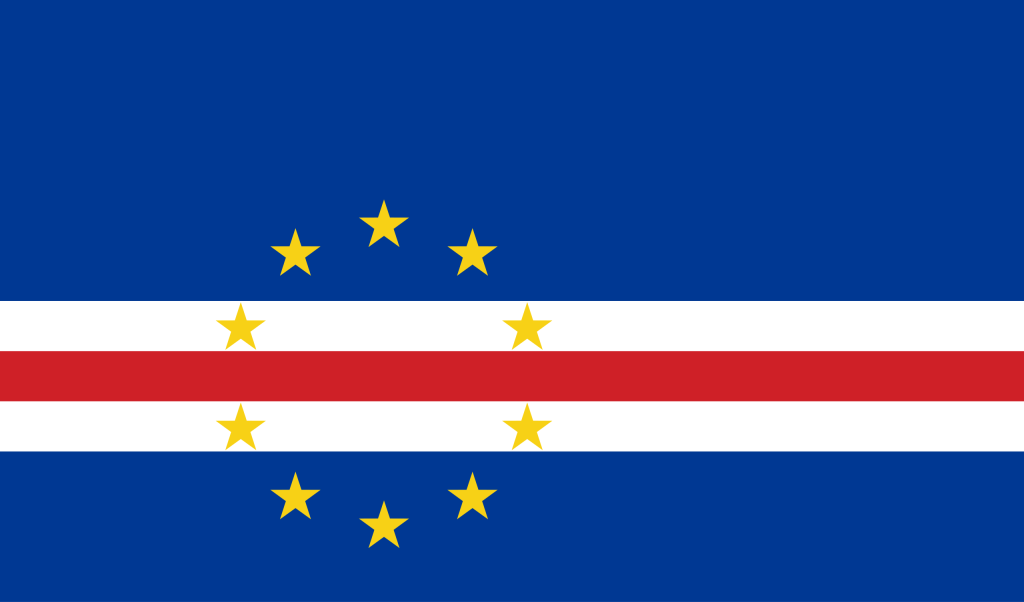
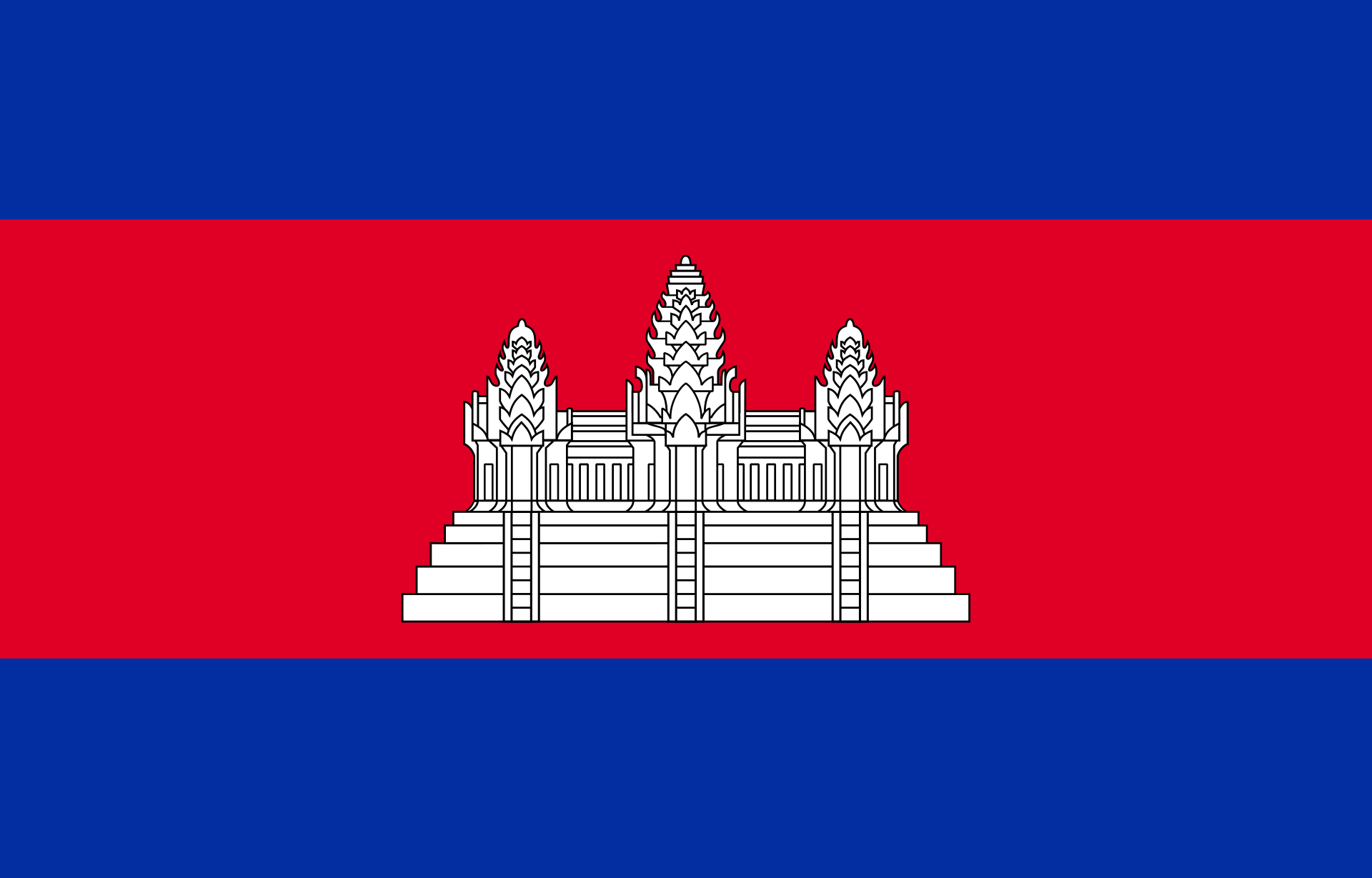
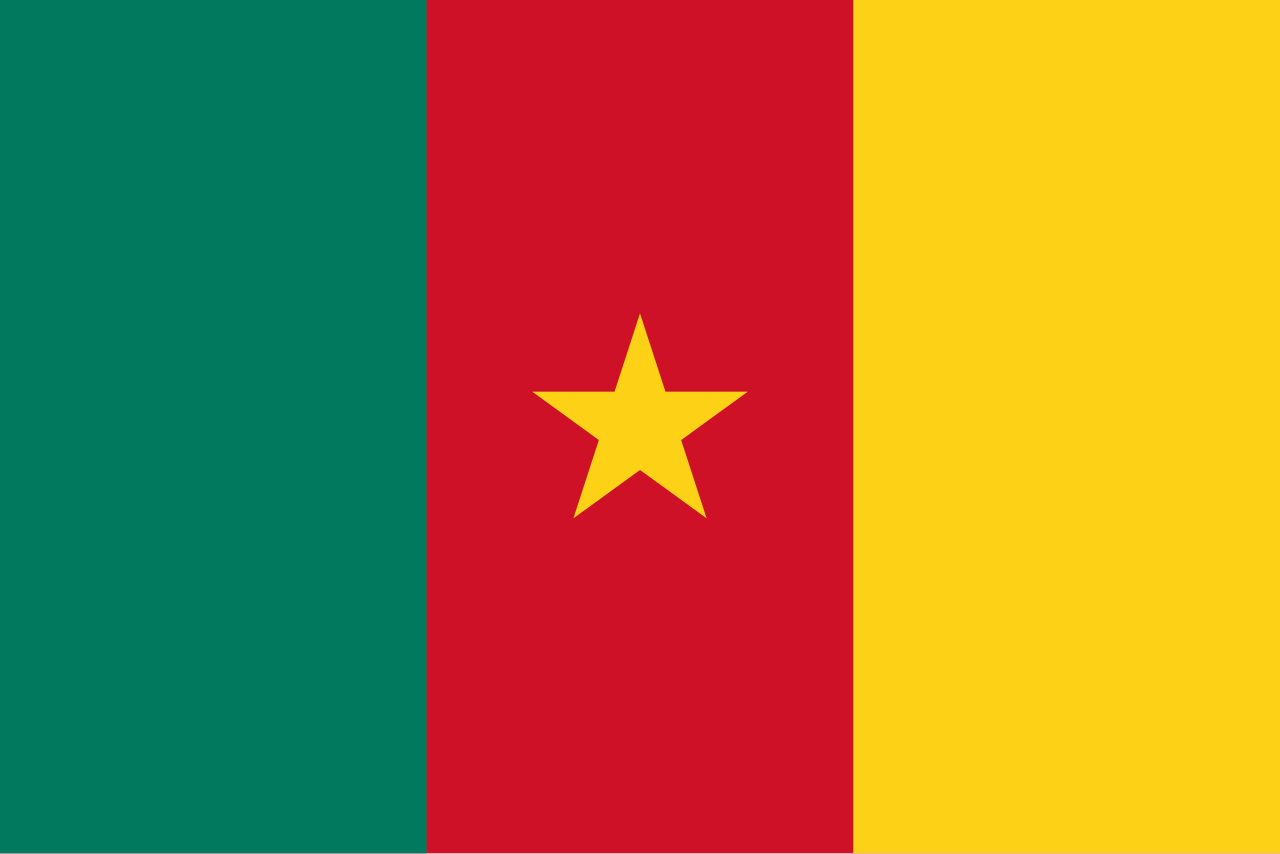
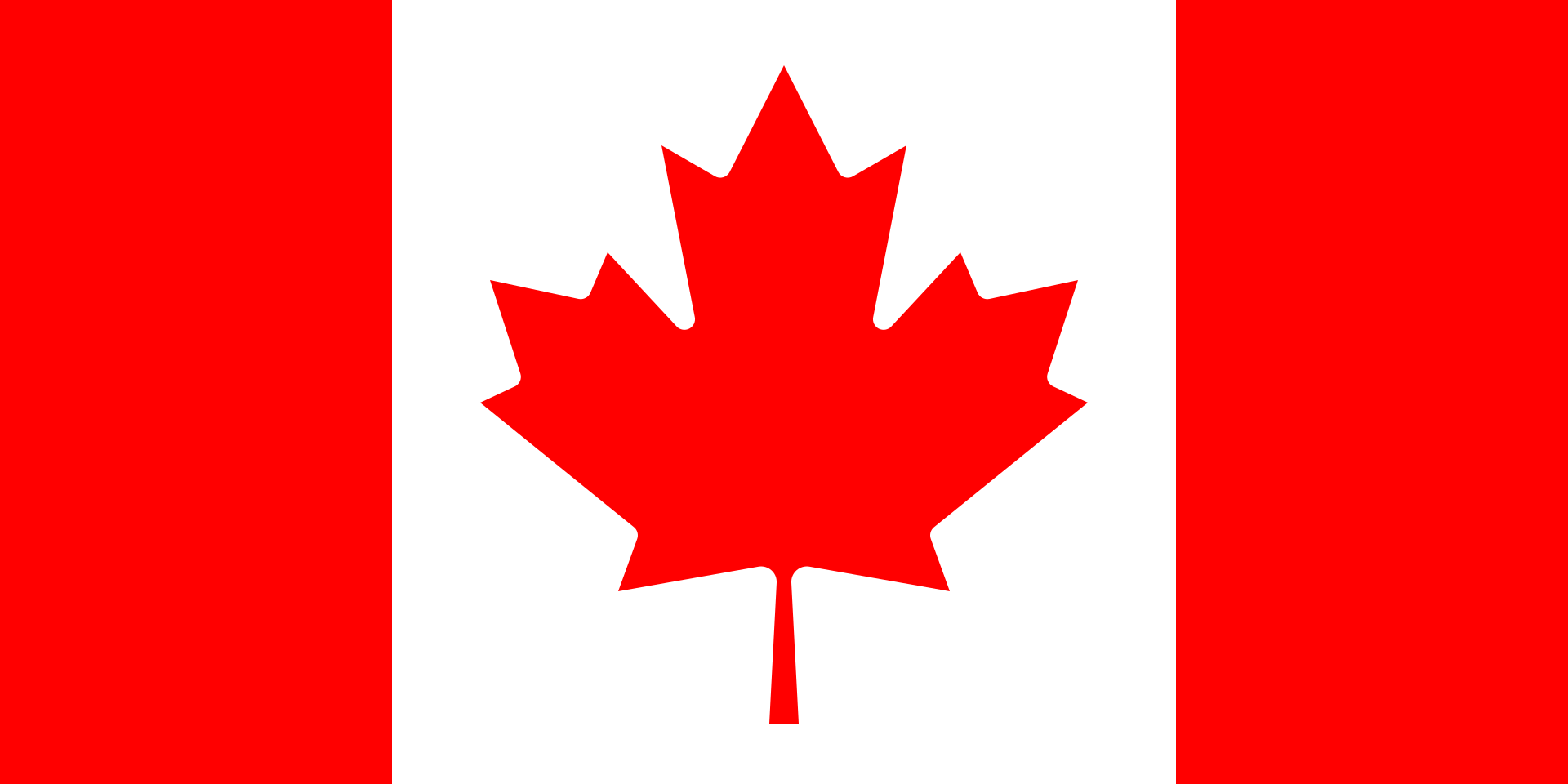
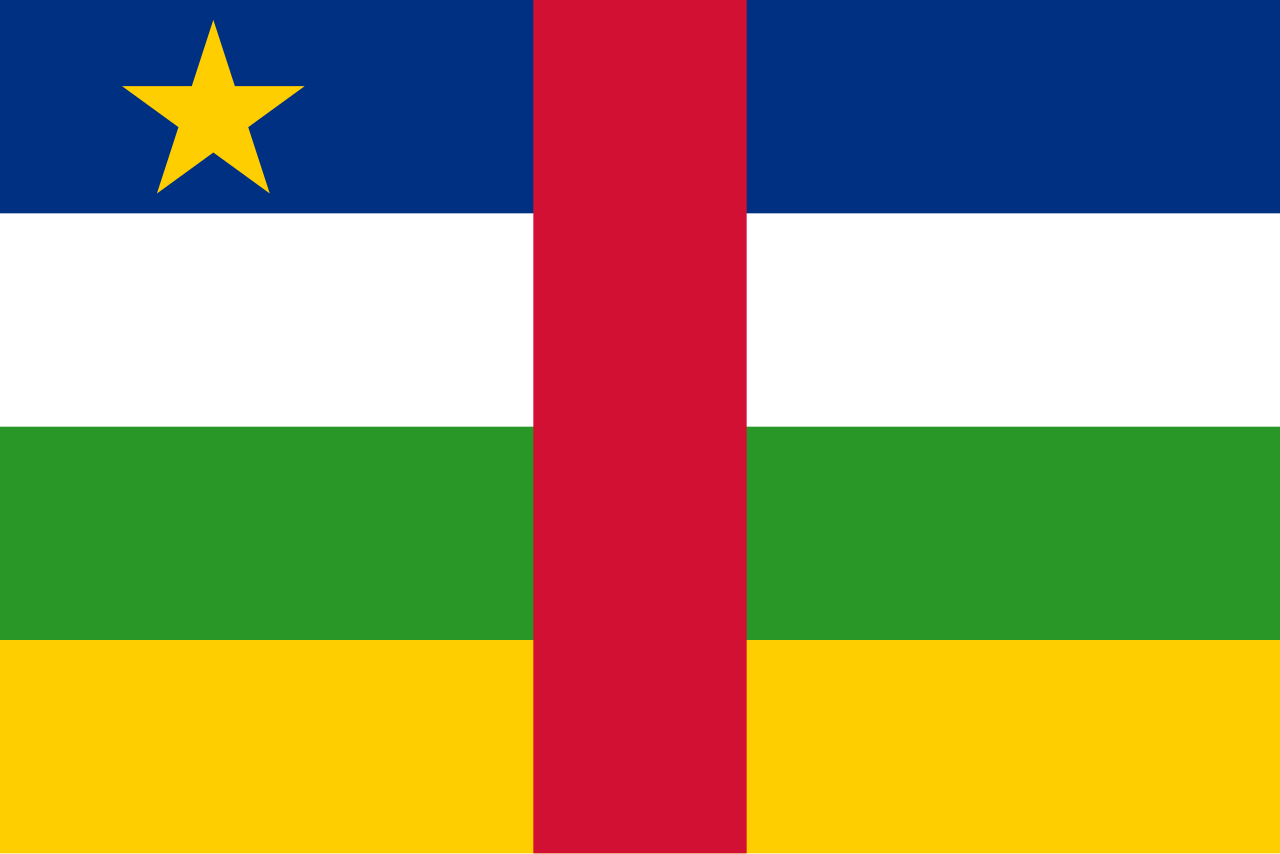
Central African Republic
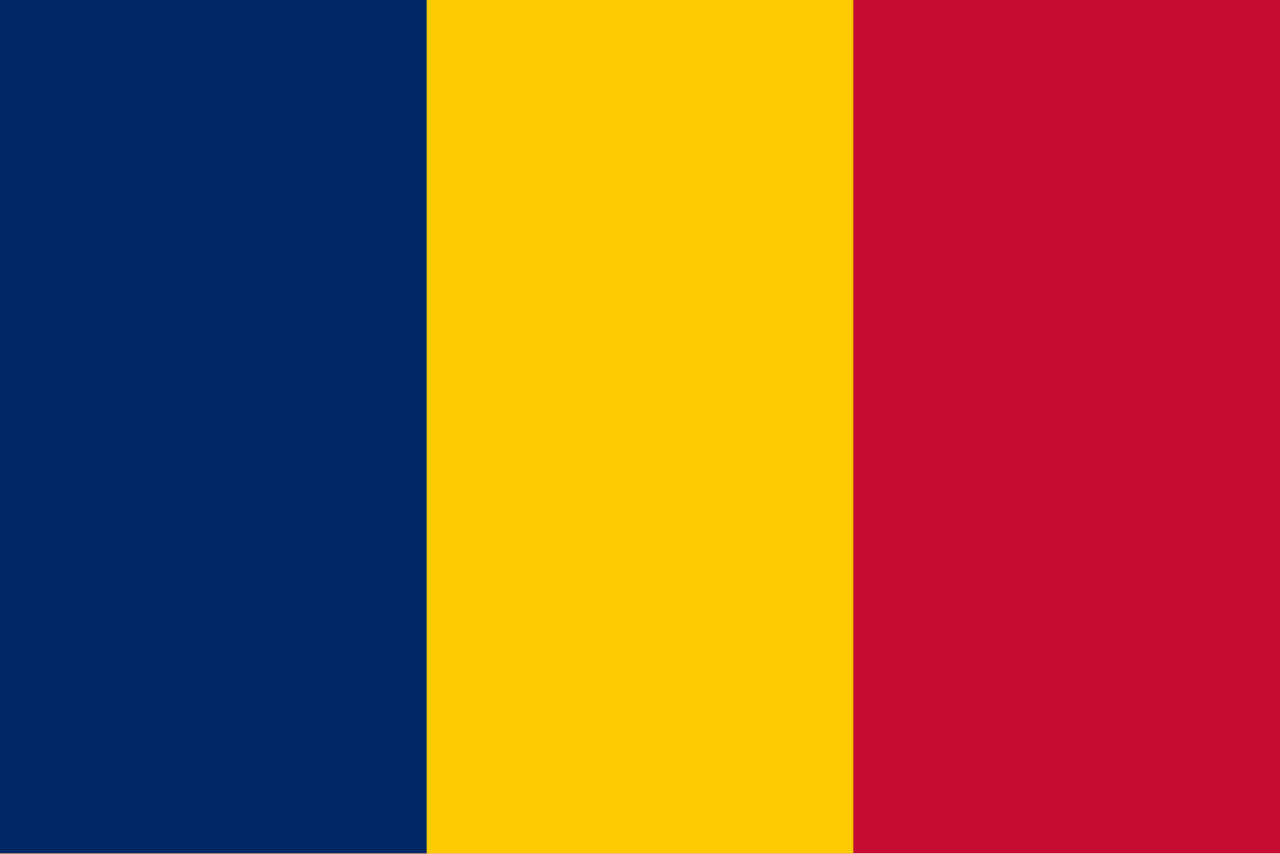
Chad
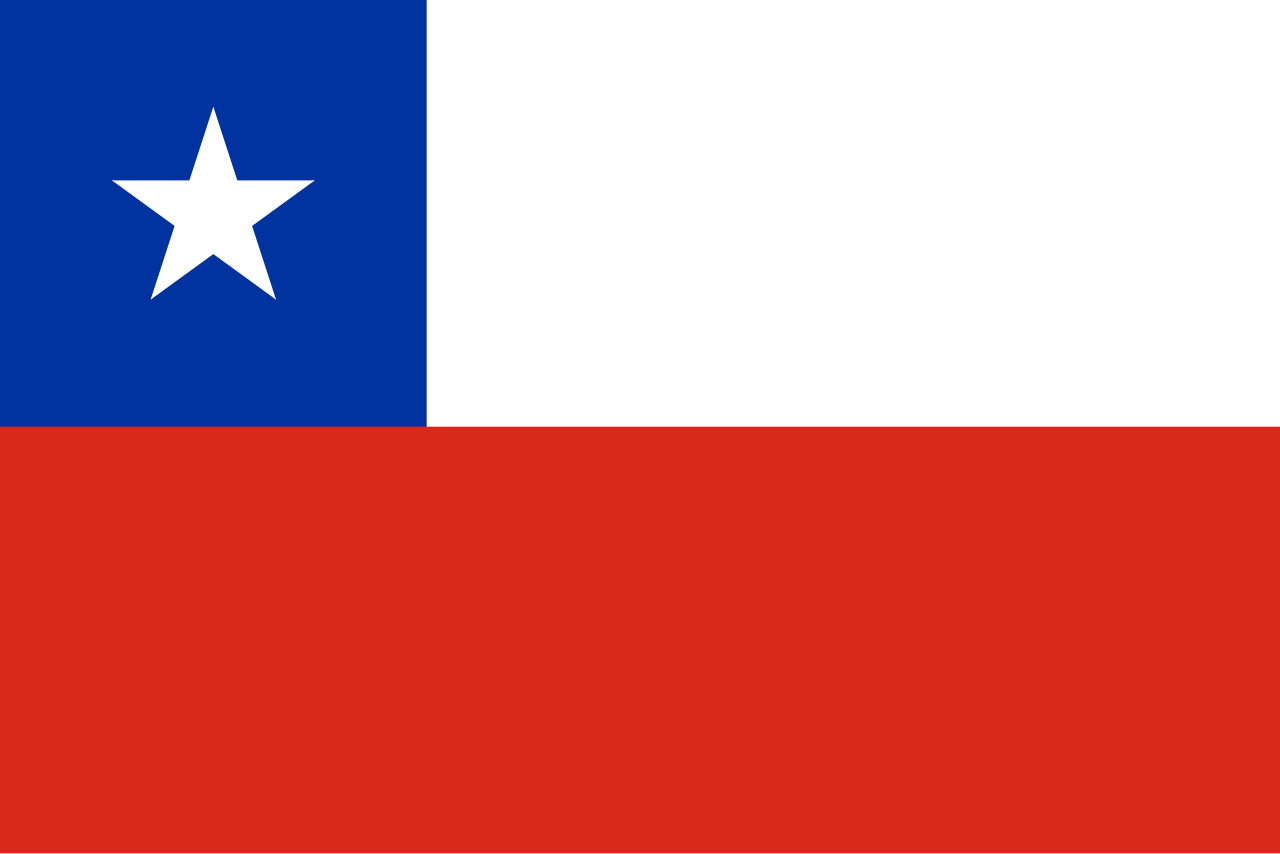
Chile
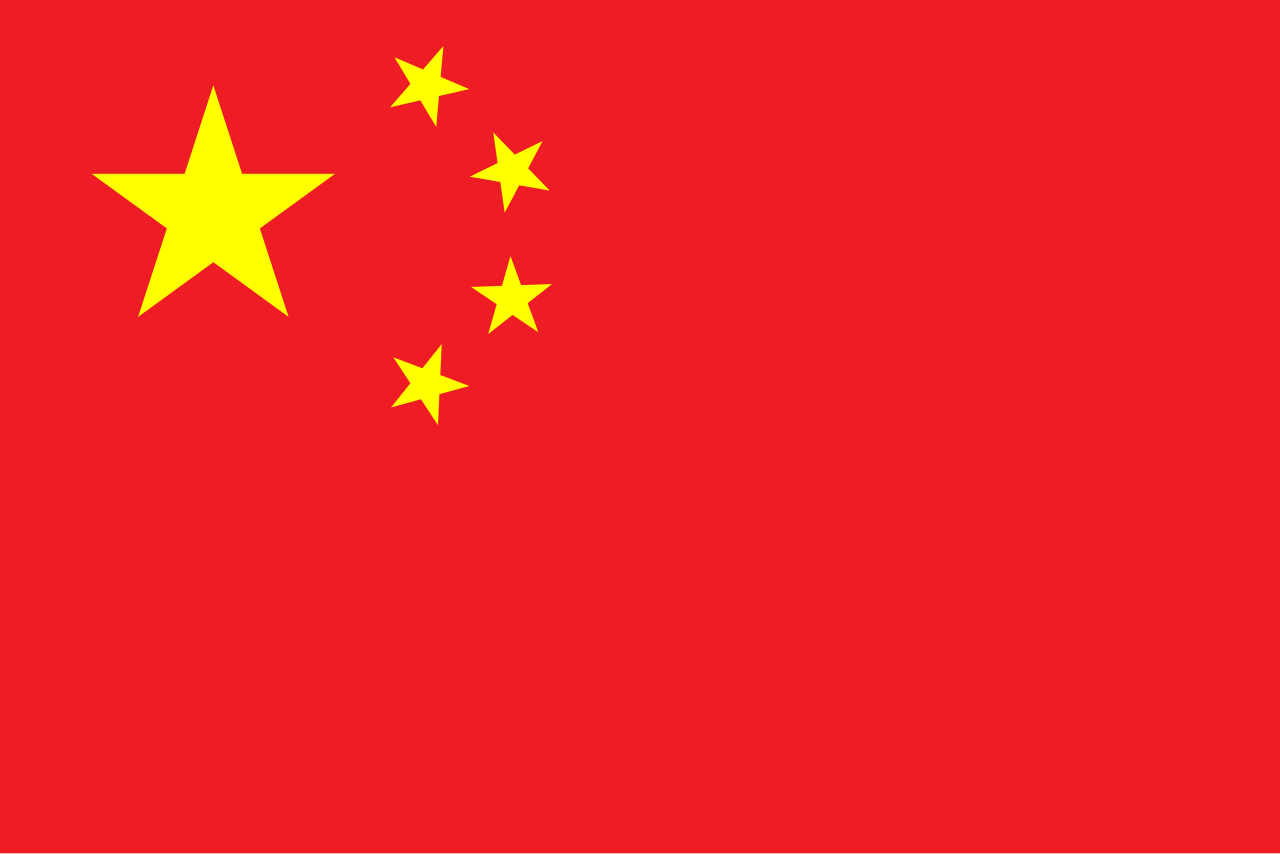
China
Colombia
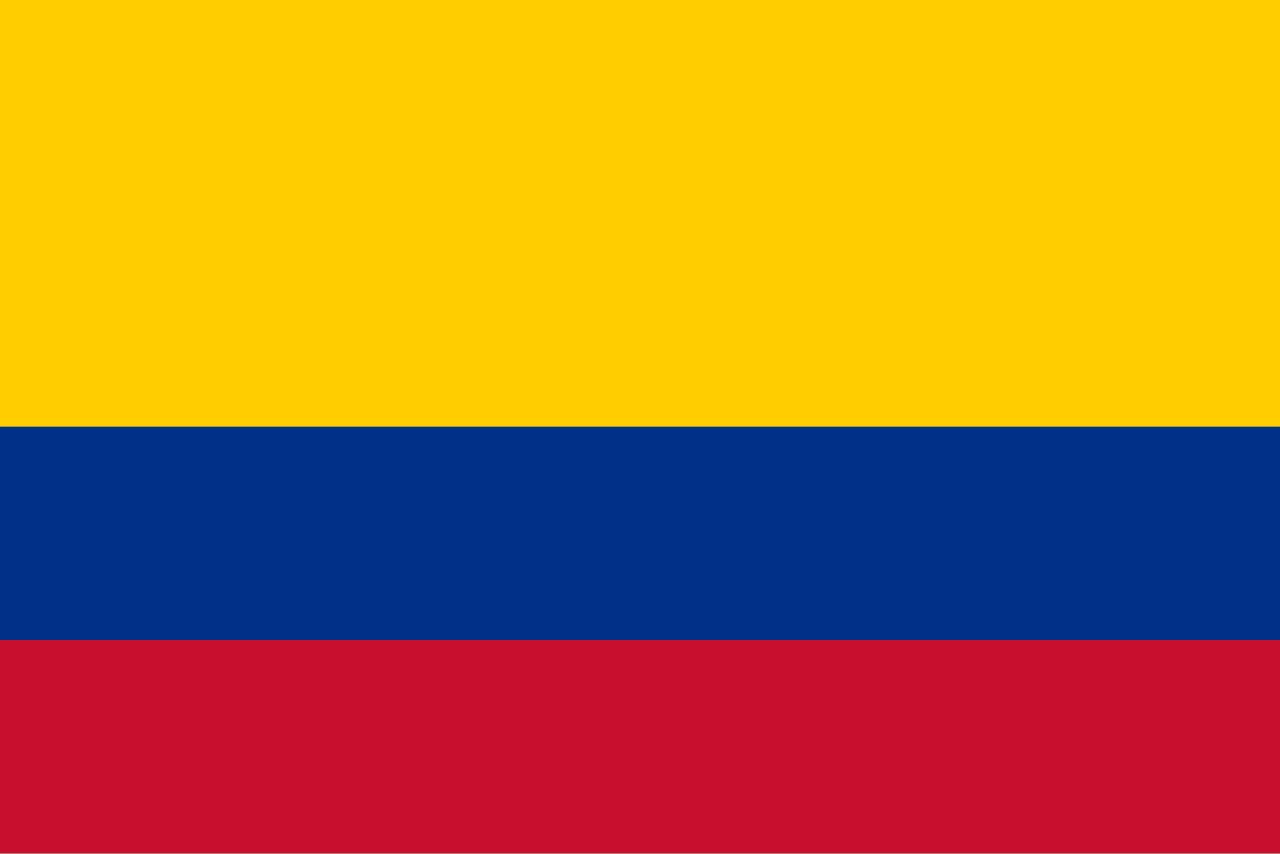
Comoros
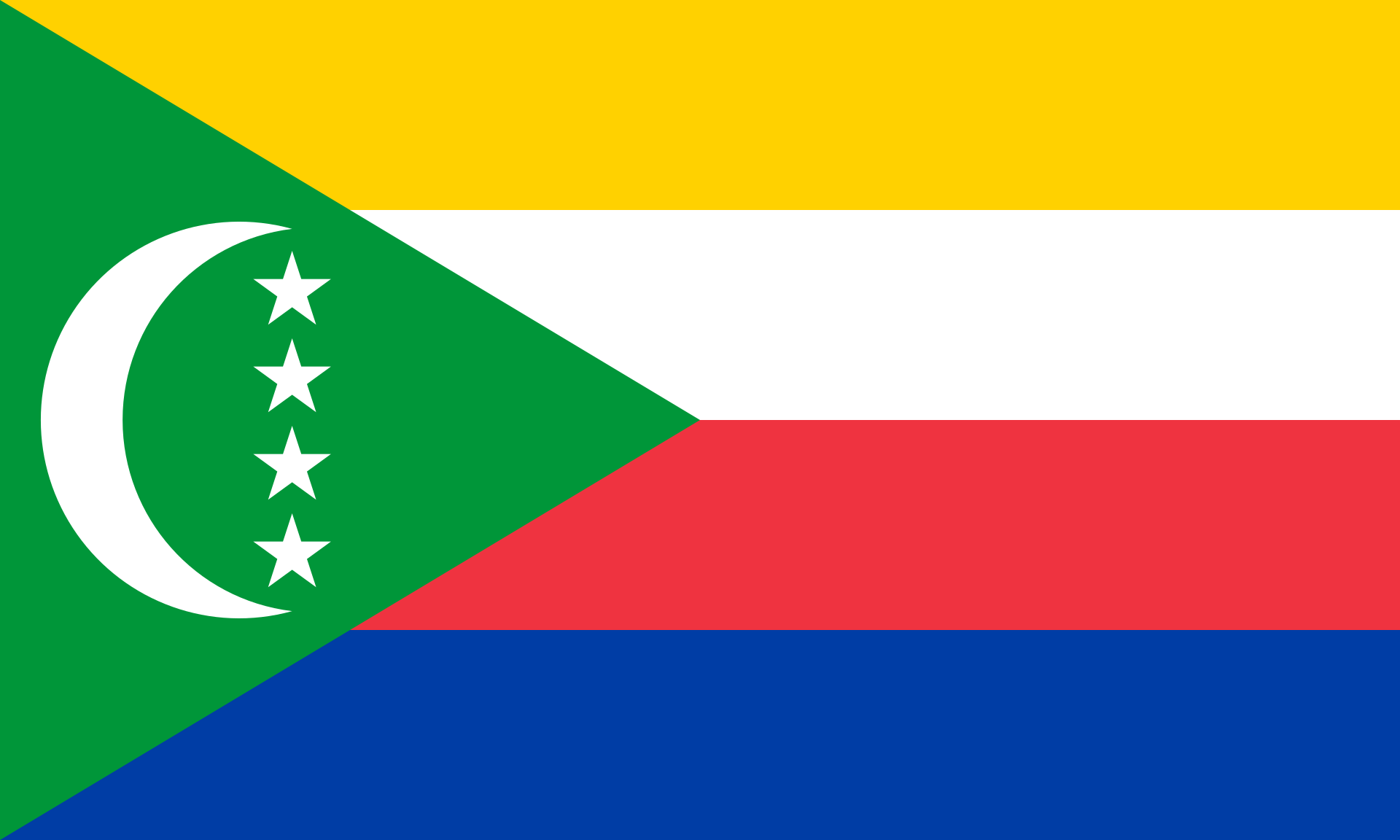
Congo
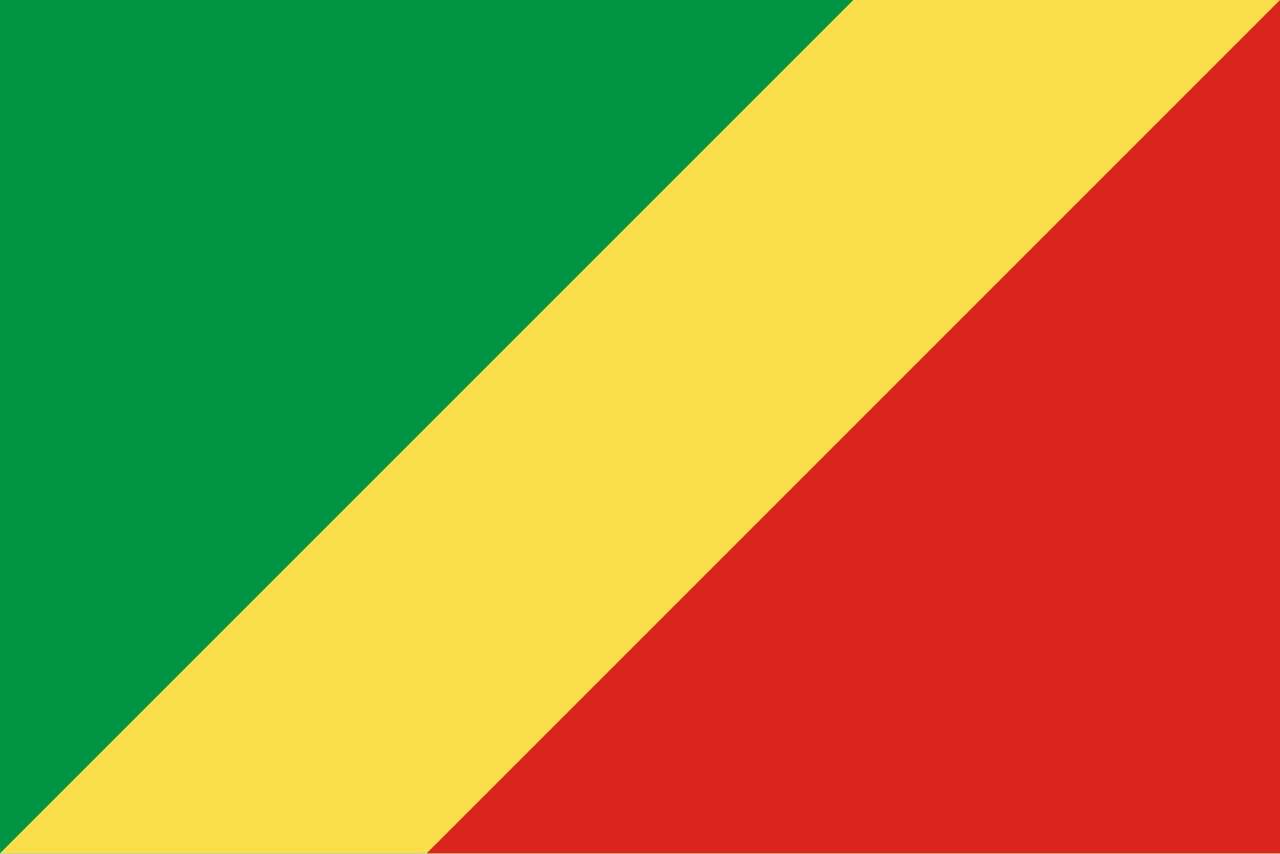
Costa Rica
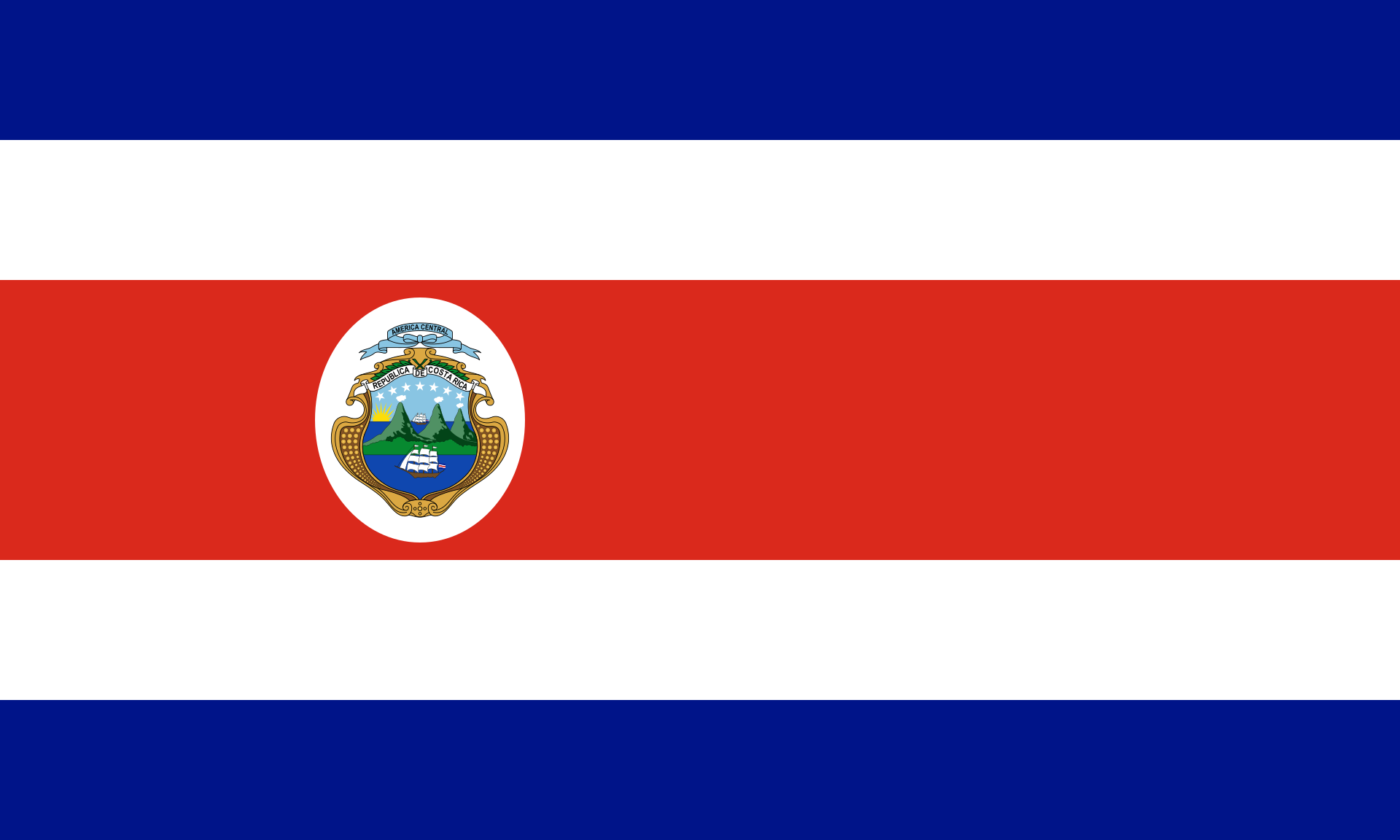
Croatia
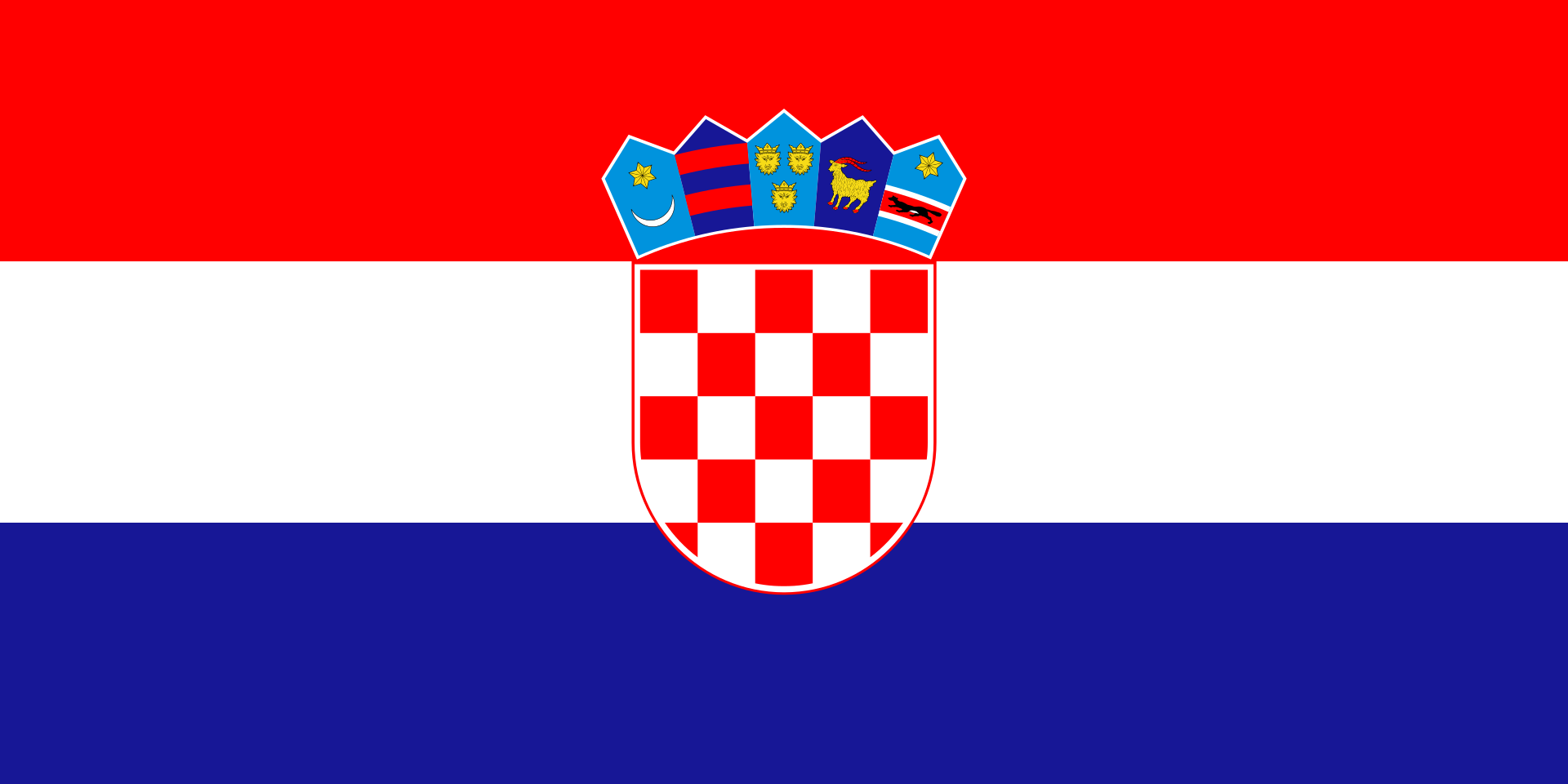
Cuba
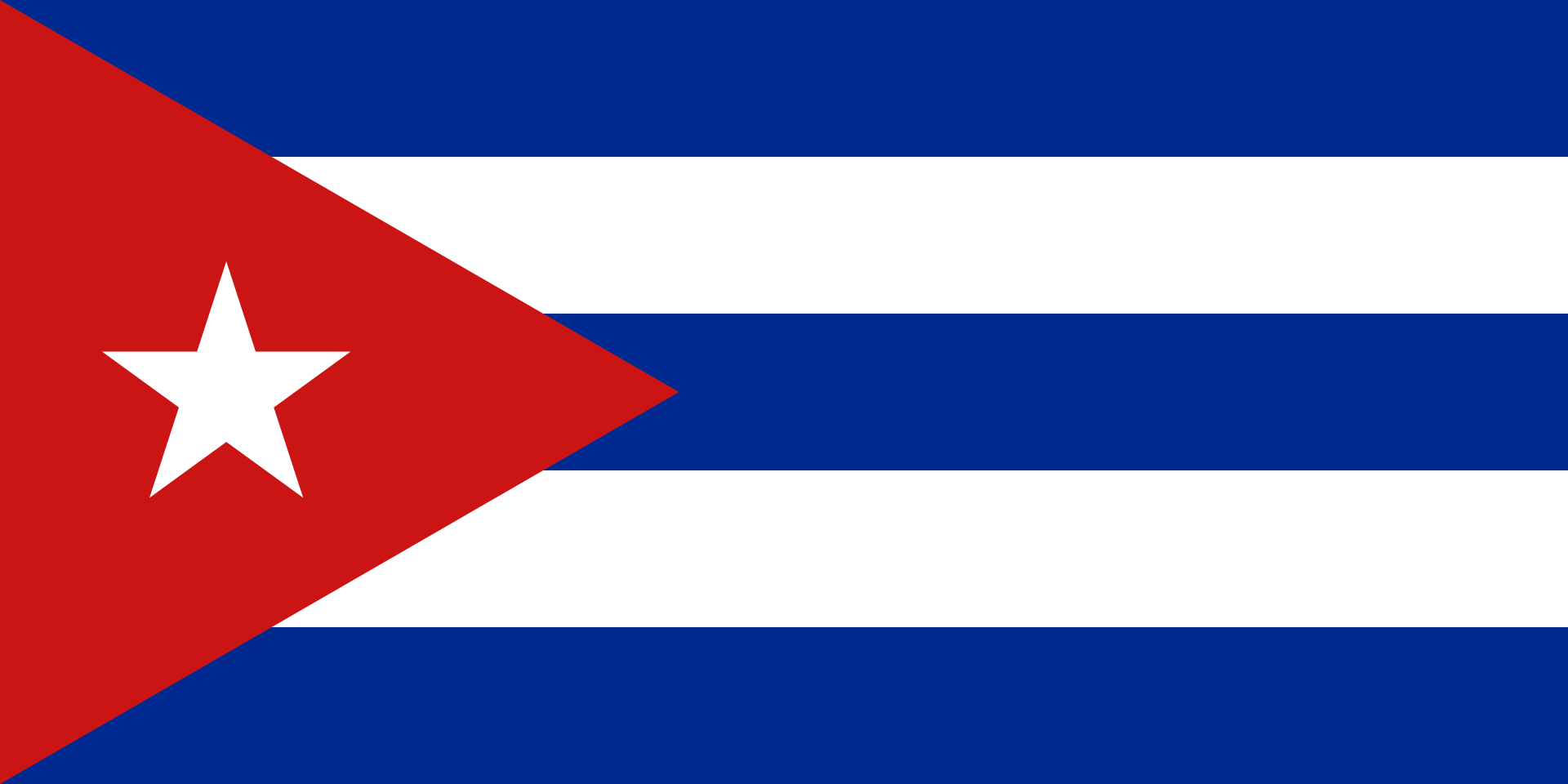
Cyprus
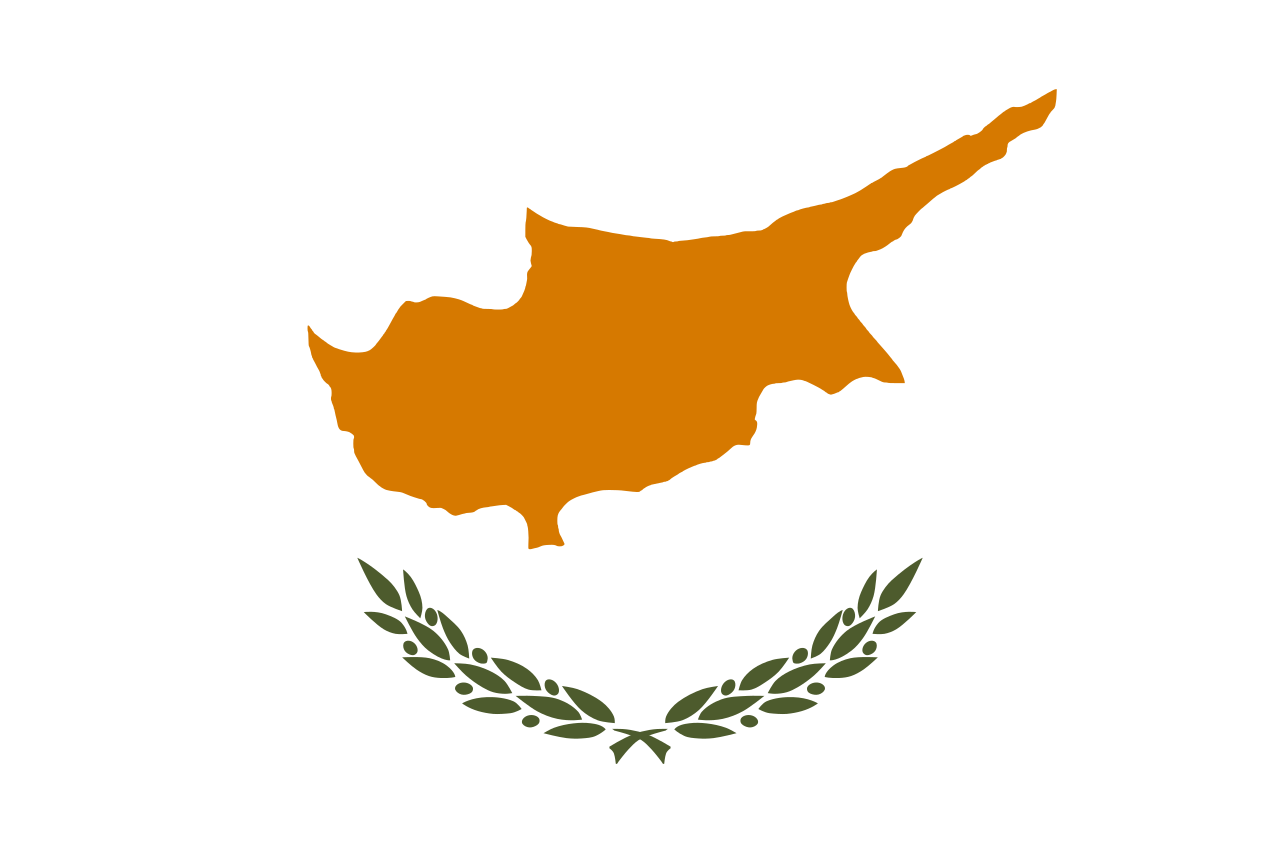
Czech Republic
Democratic Republic of the Congo
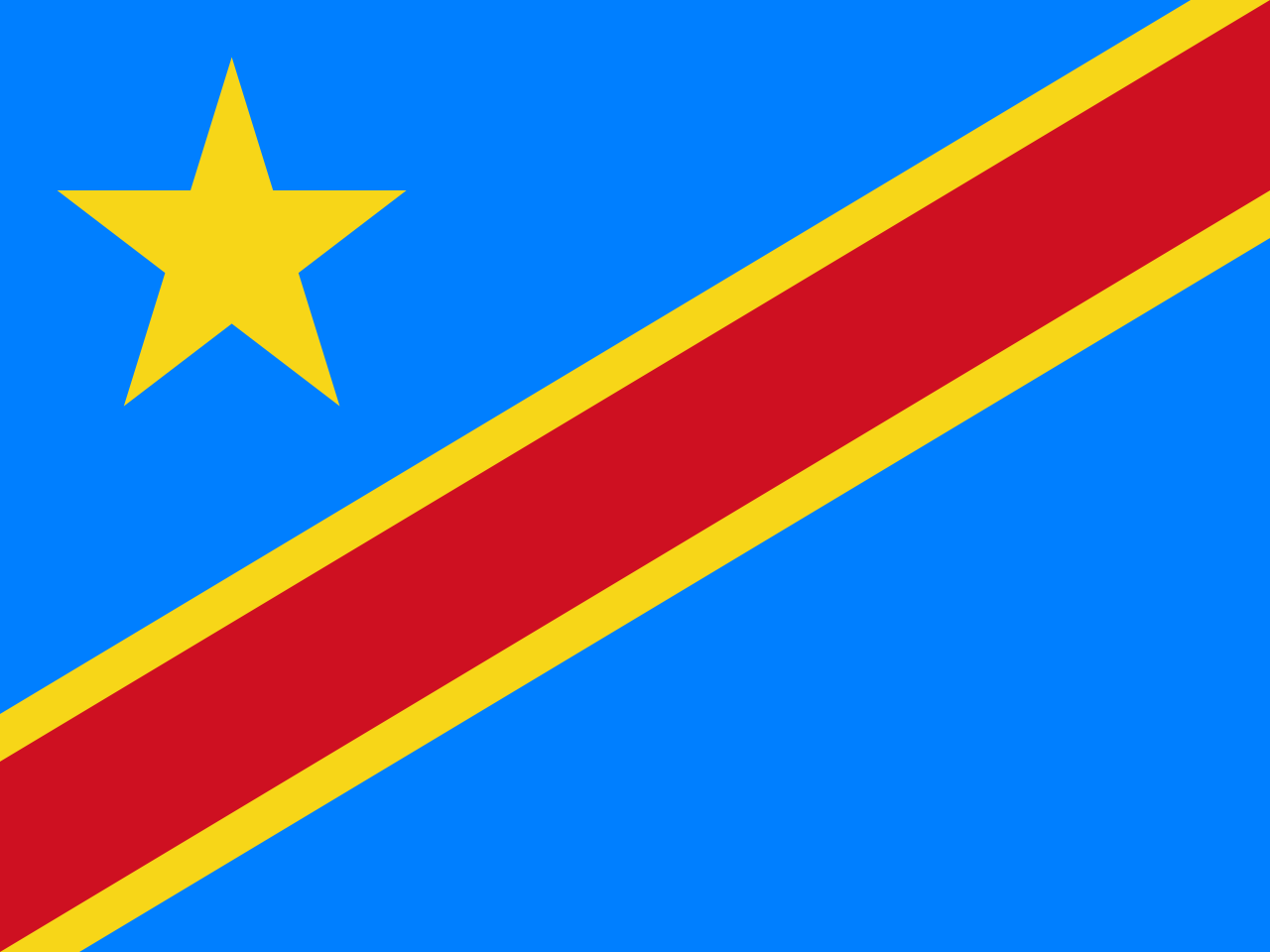
Denmark
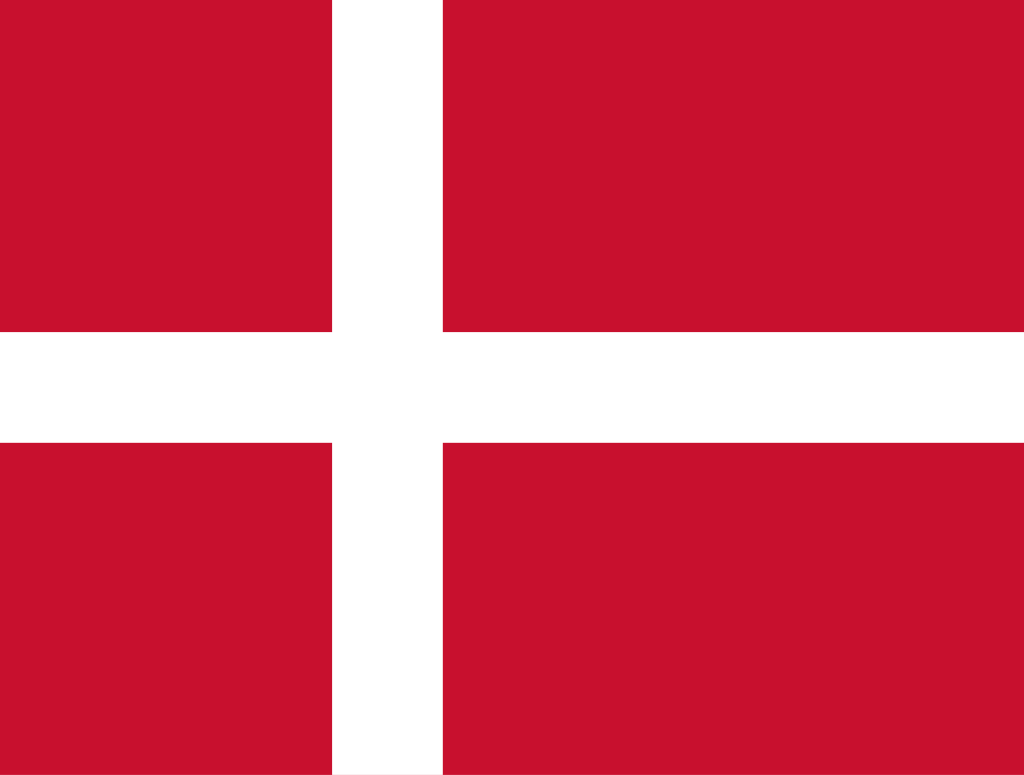
Djibouti
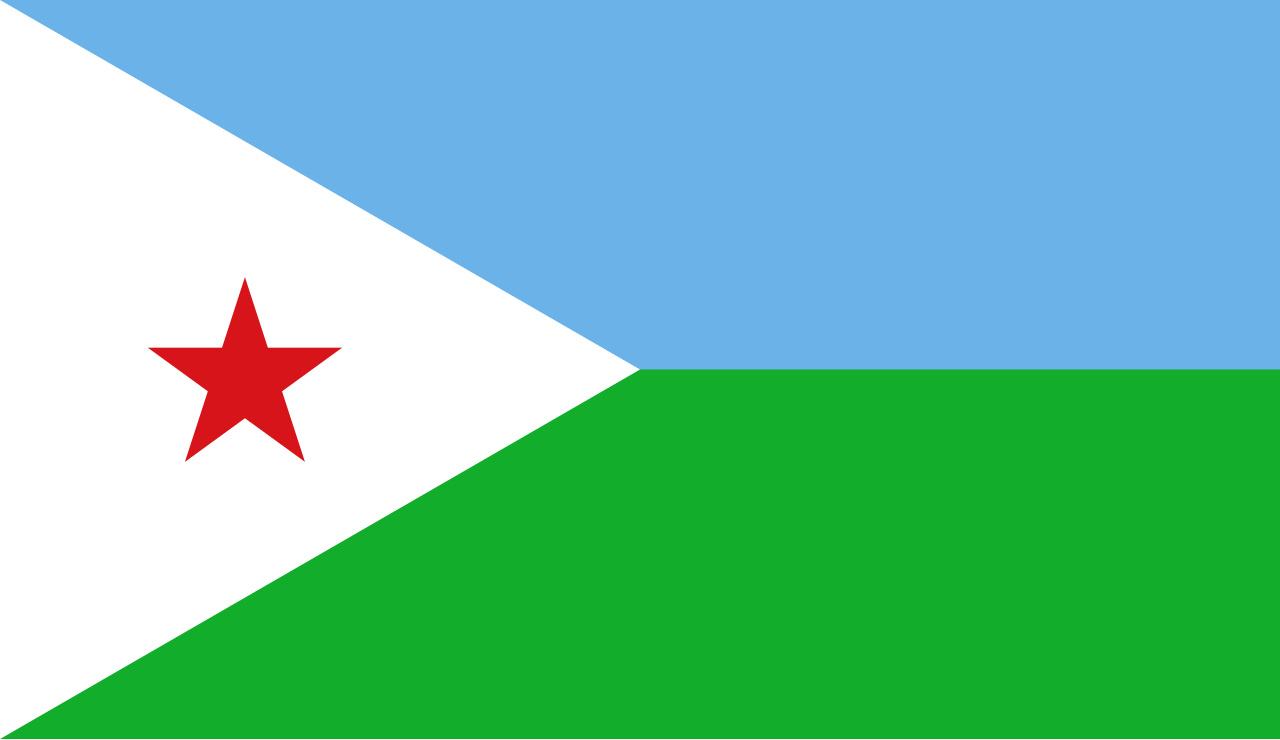
Dominica
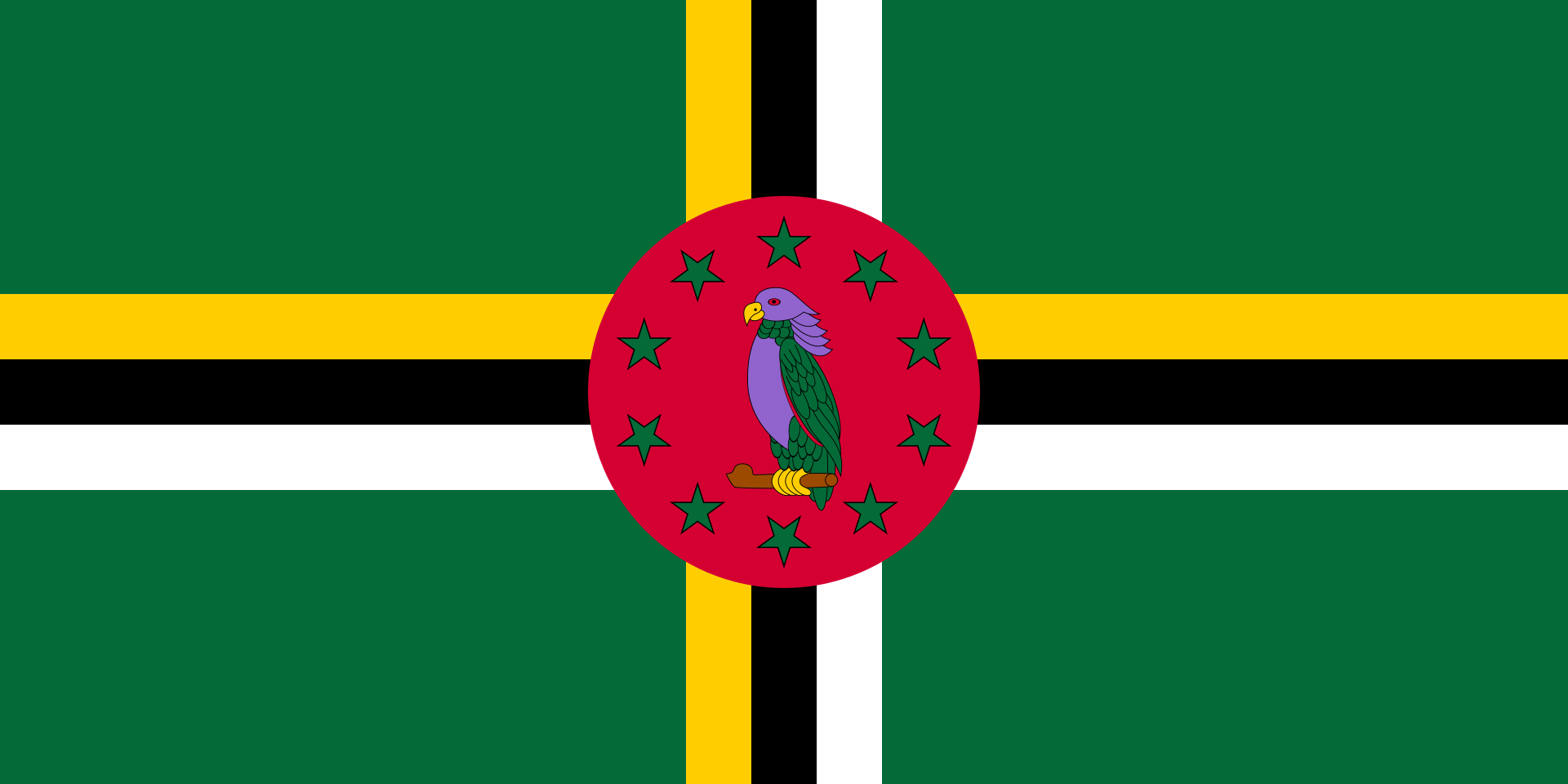
Dominican Republic
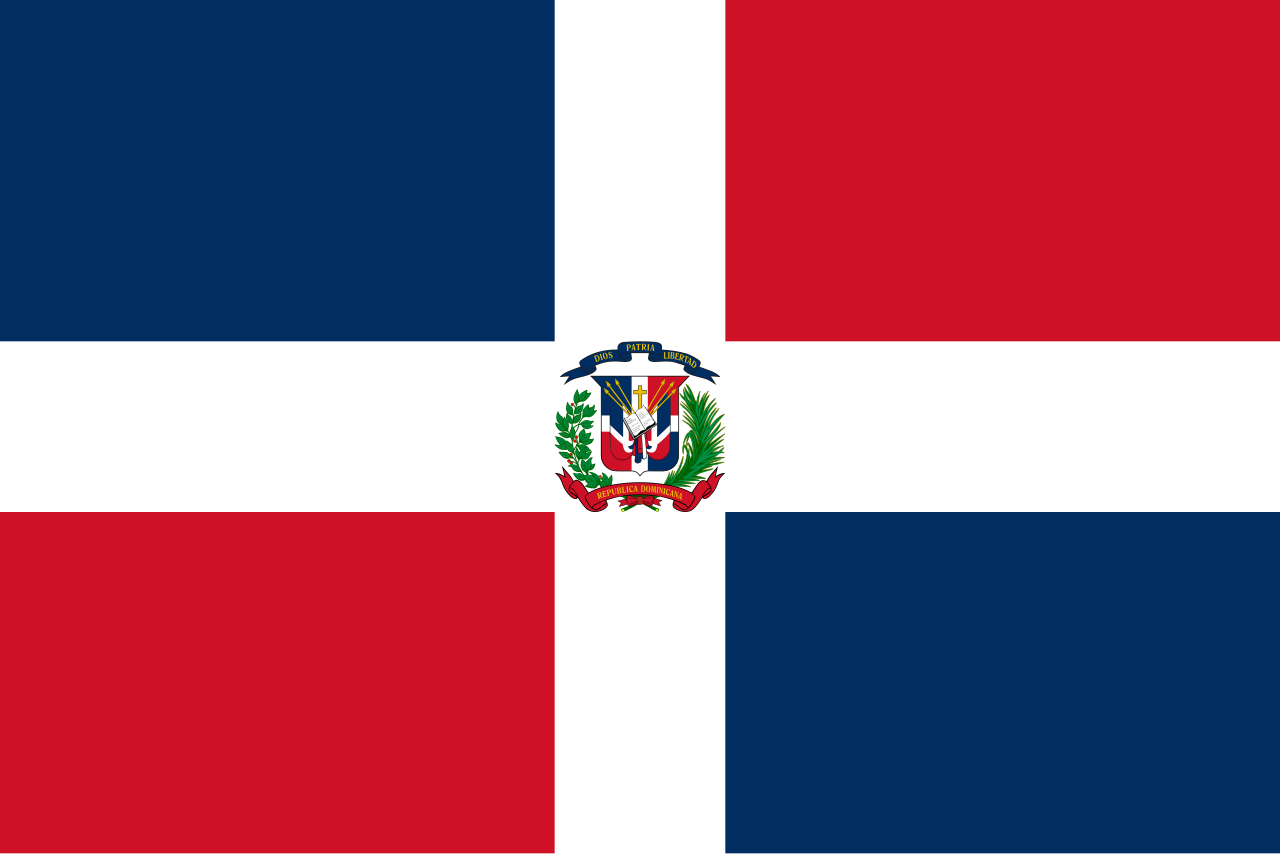
East Timor
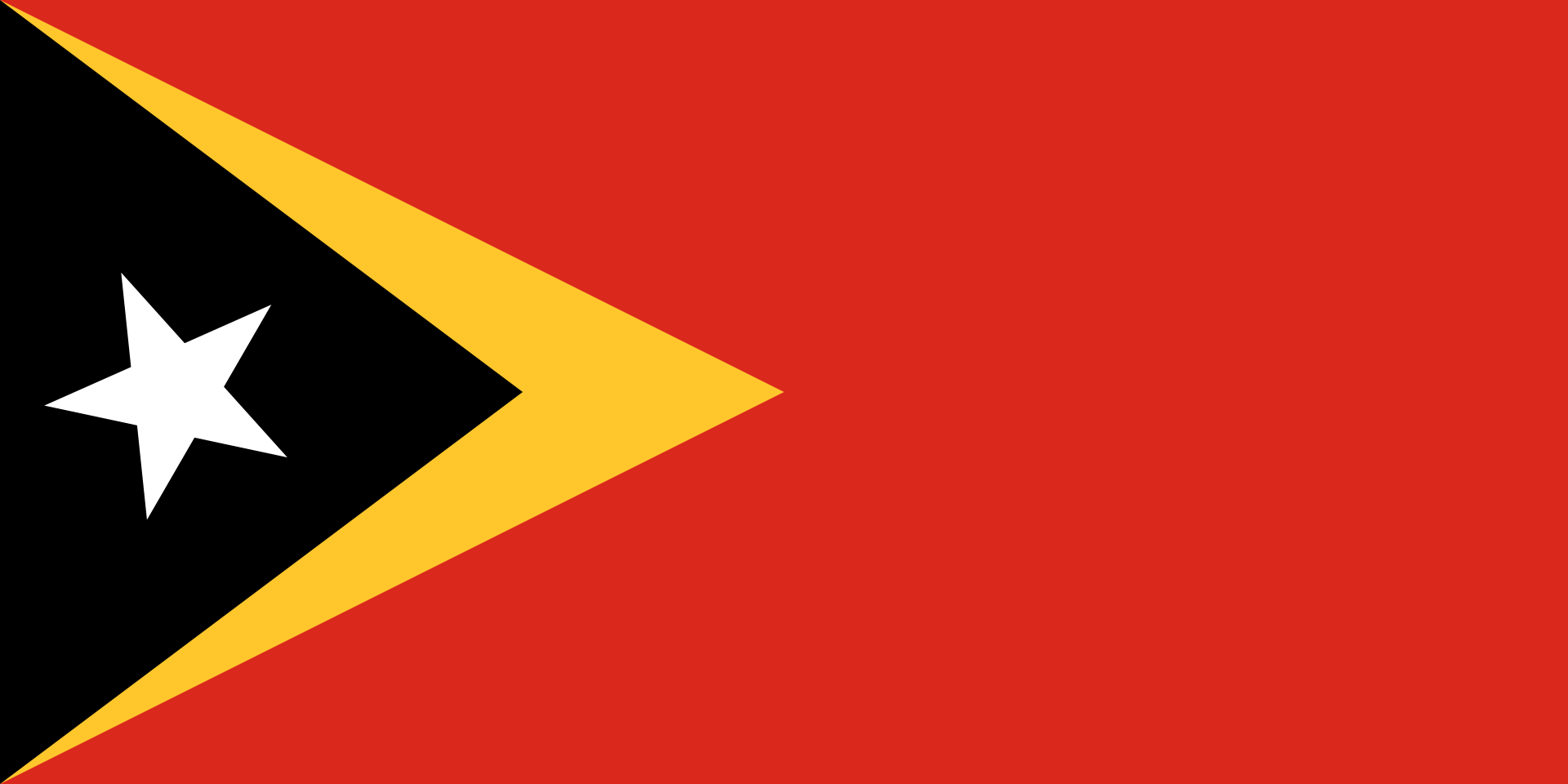
Ecuador
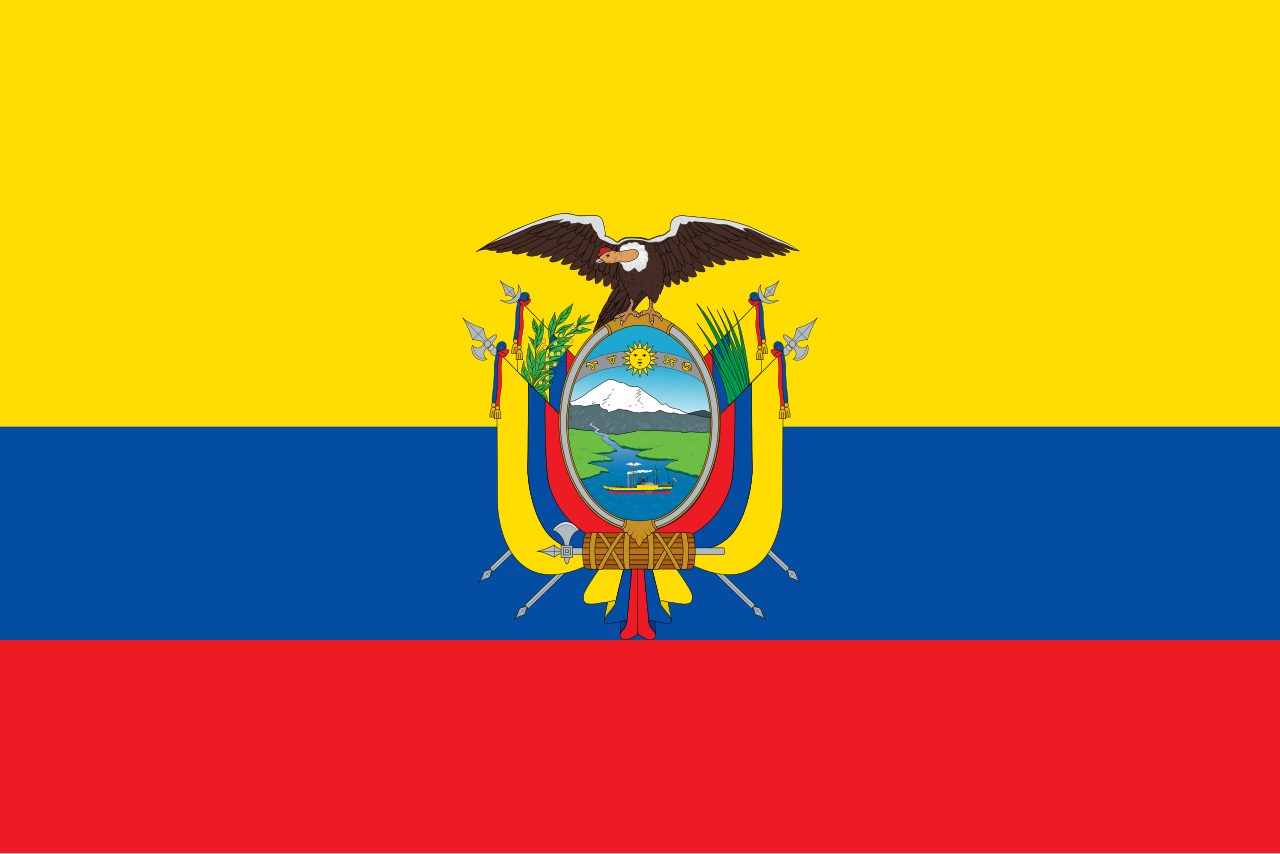
Egypt
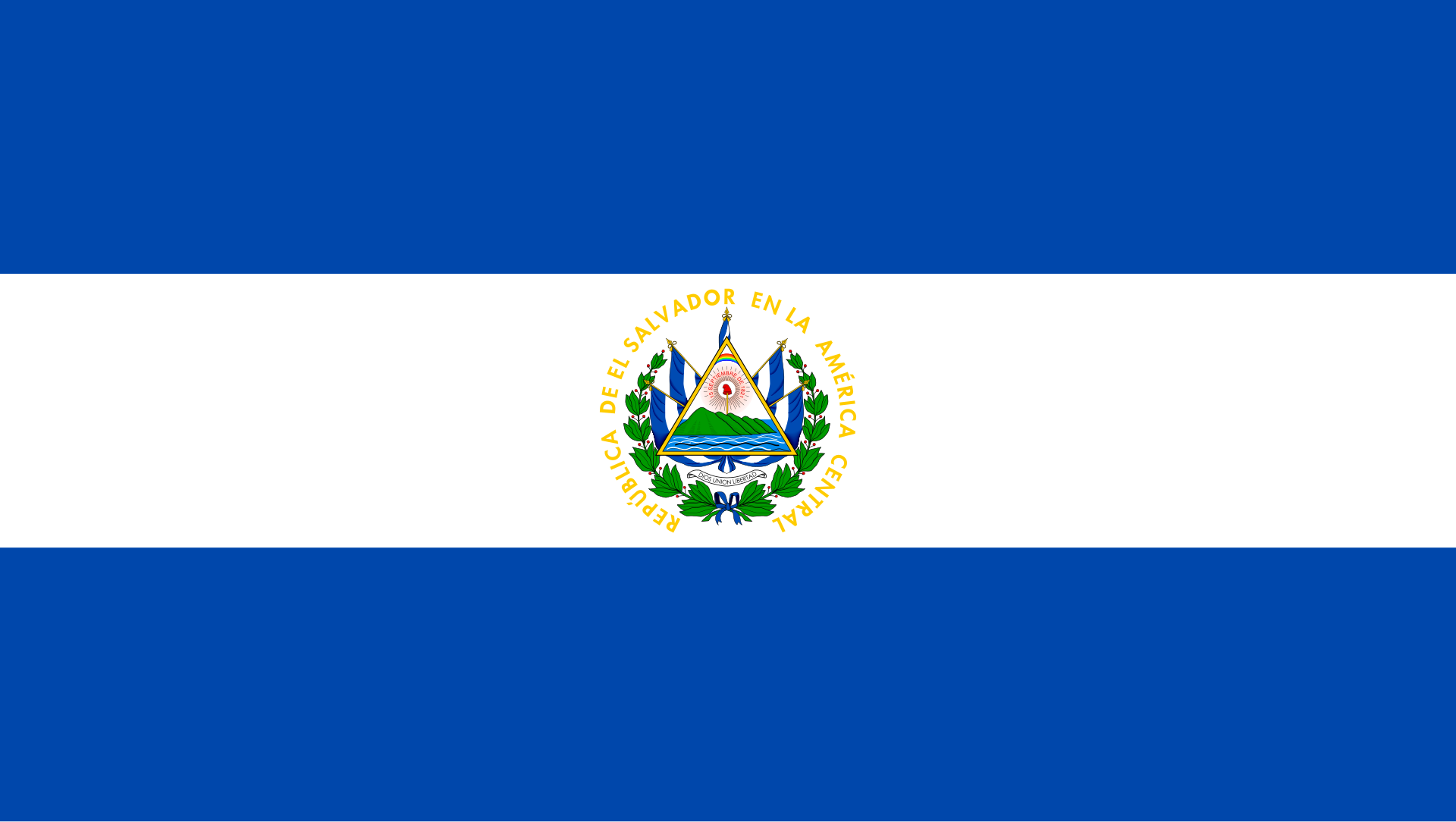
El Salvador
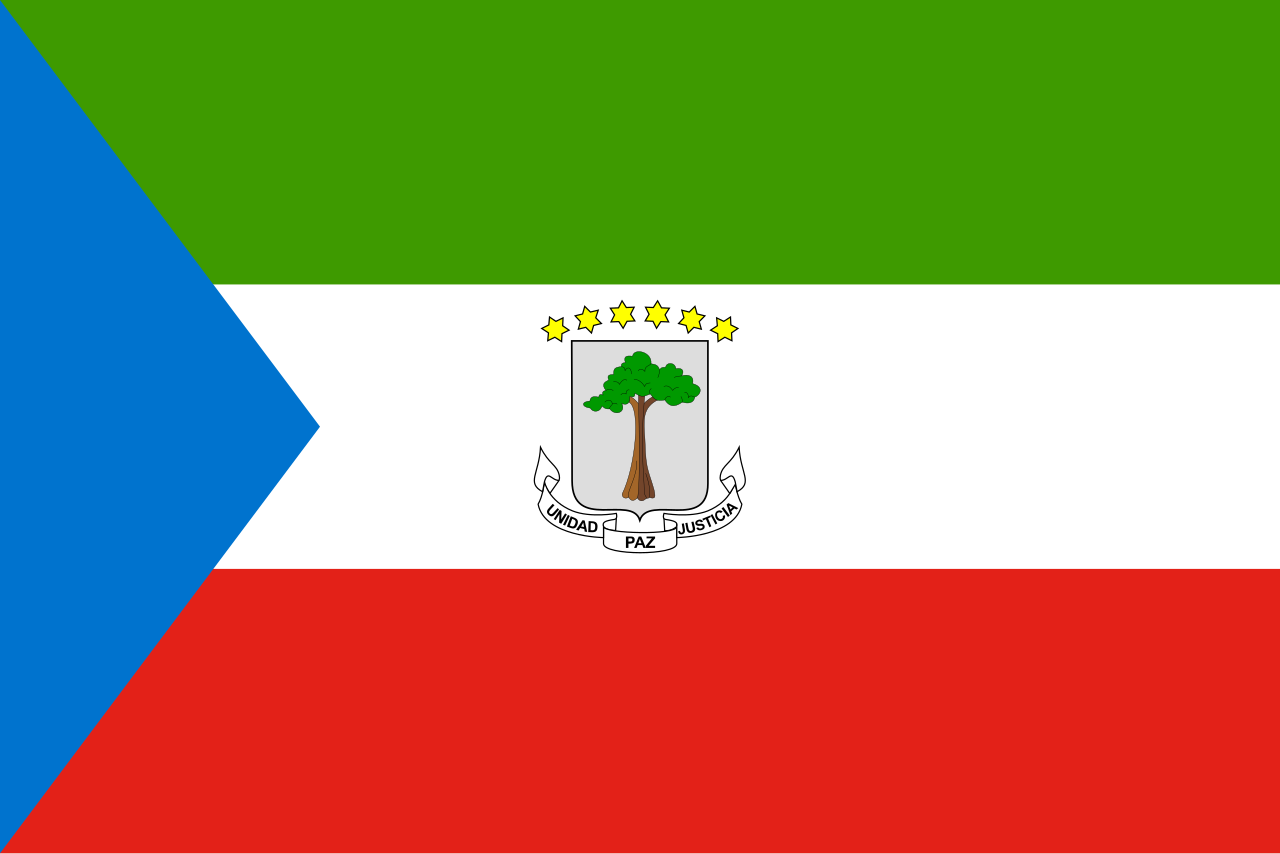
Equatorial Guinea
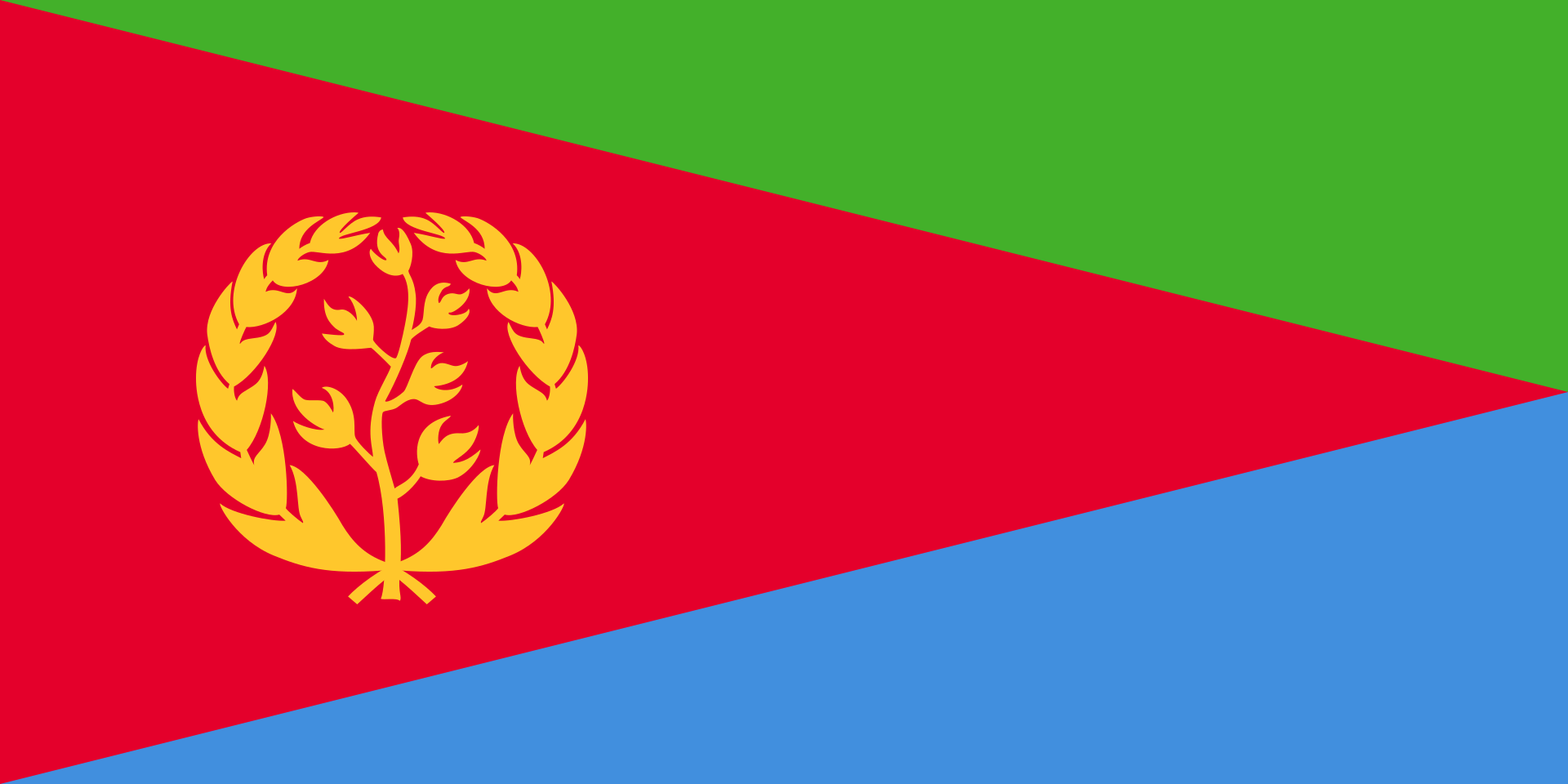
Eritrea
Estonia

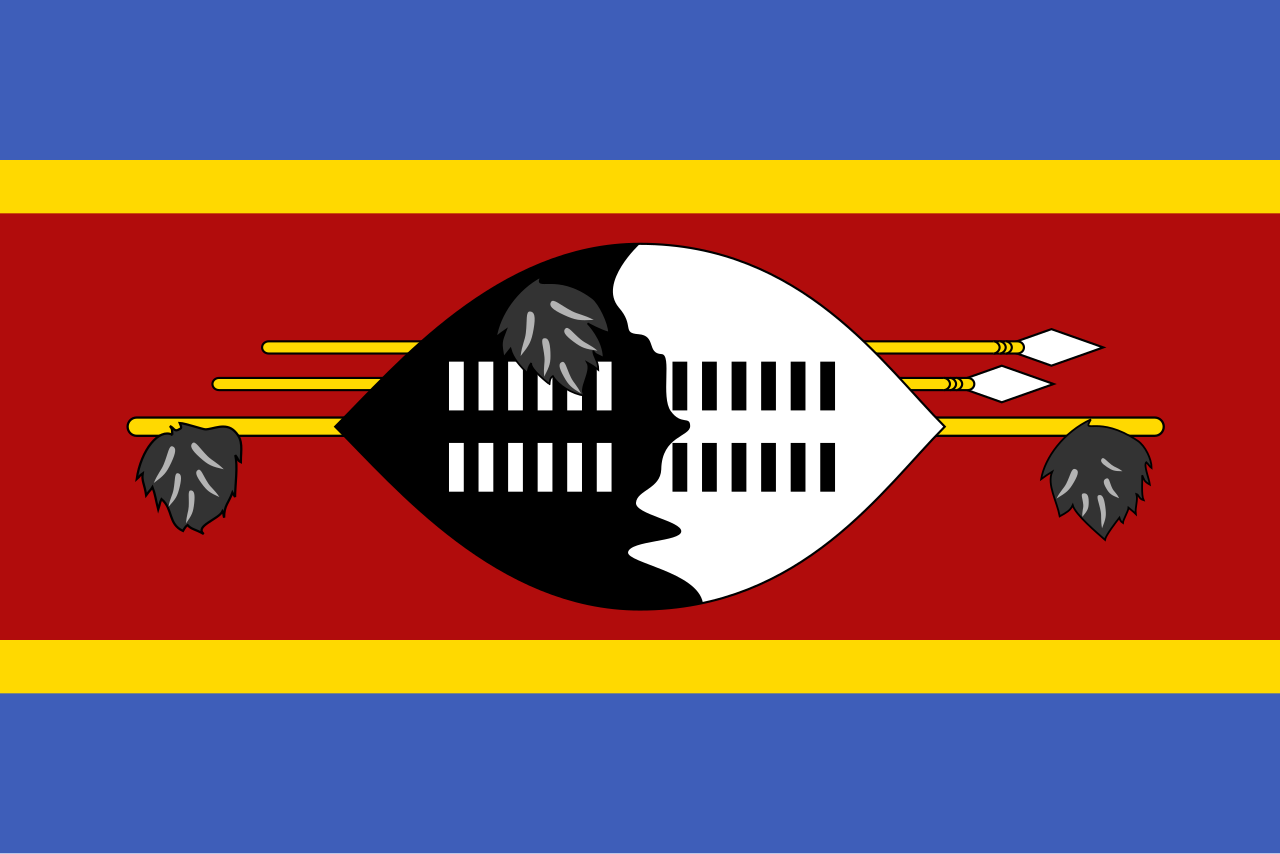
Eswatini
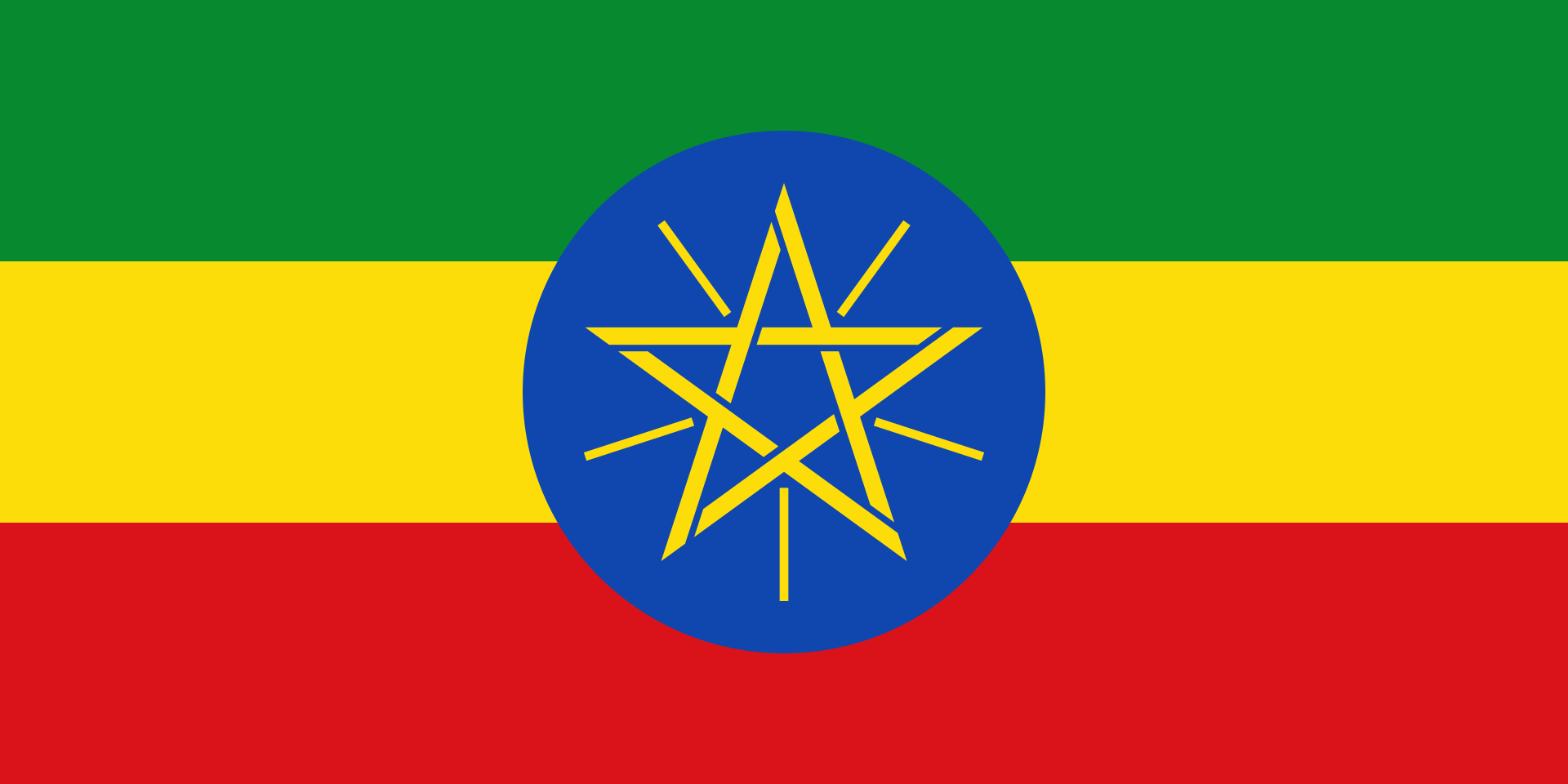
Ethiopia
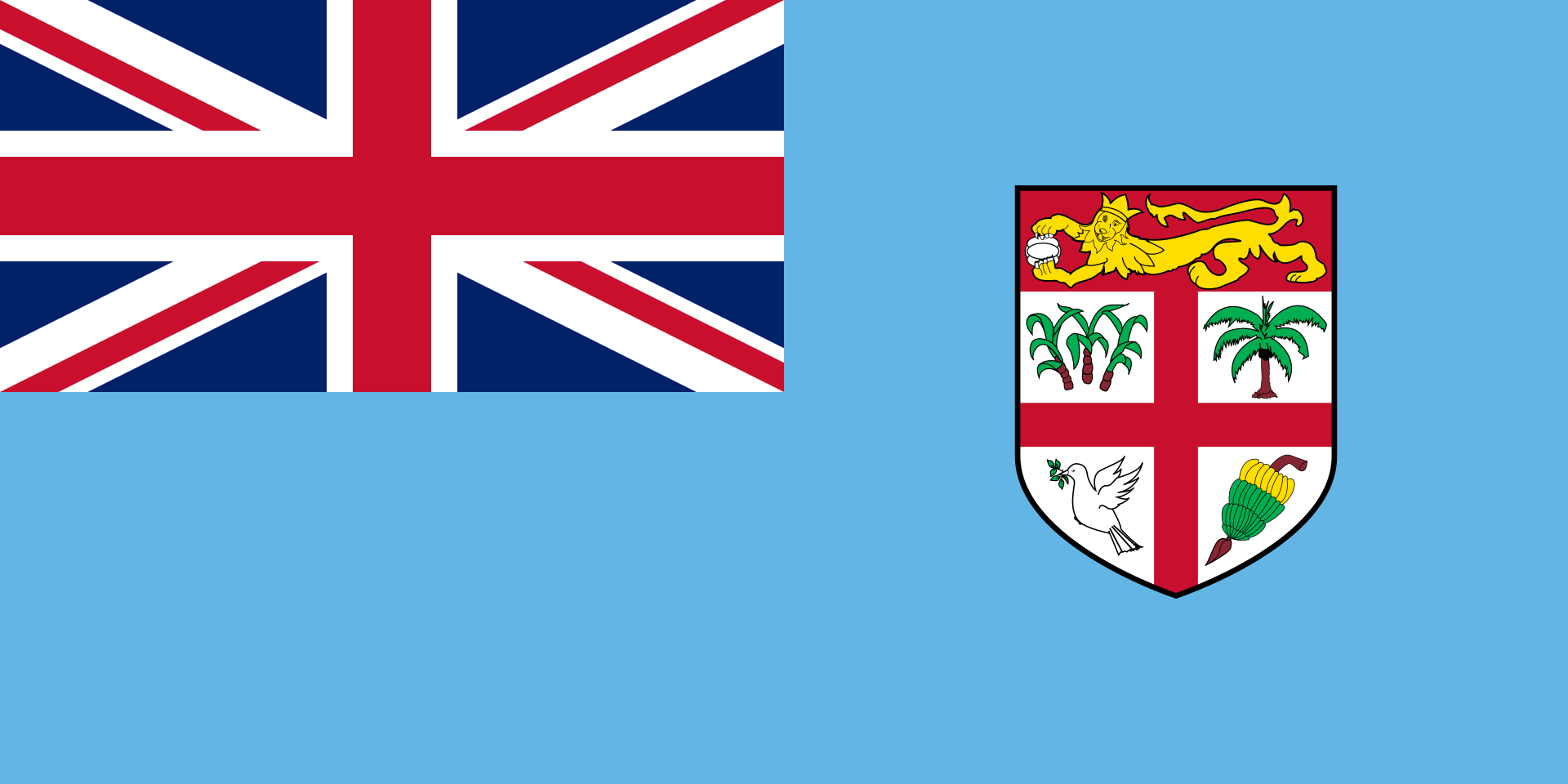
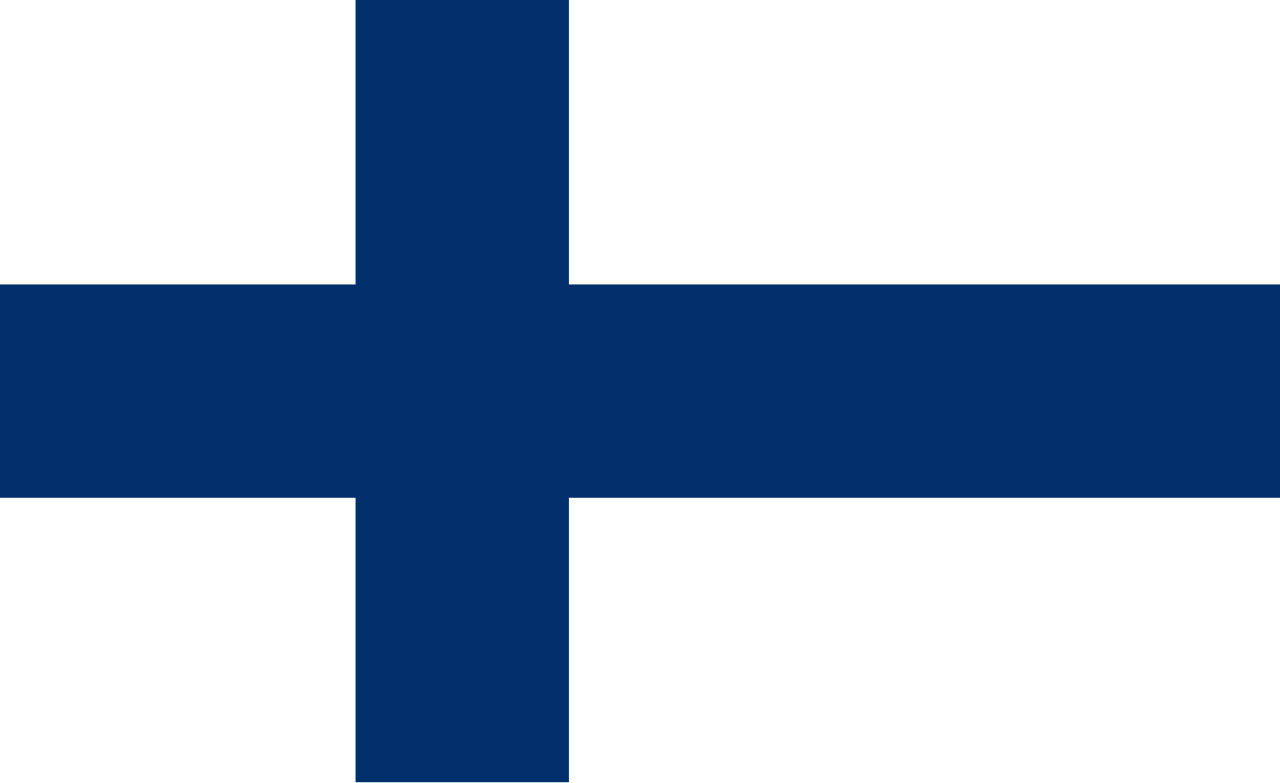
Finland
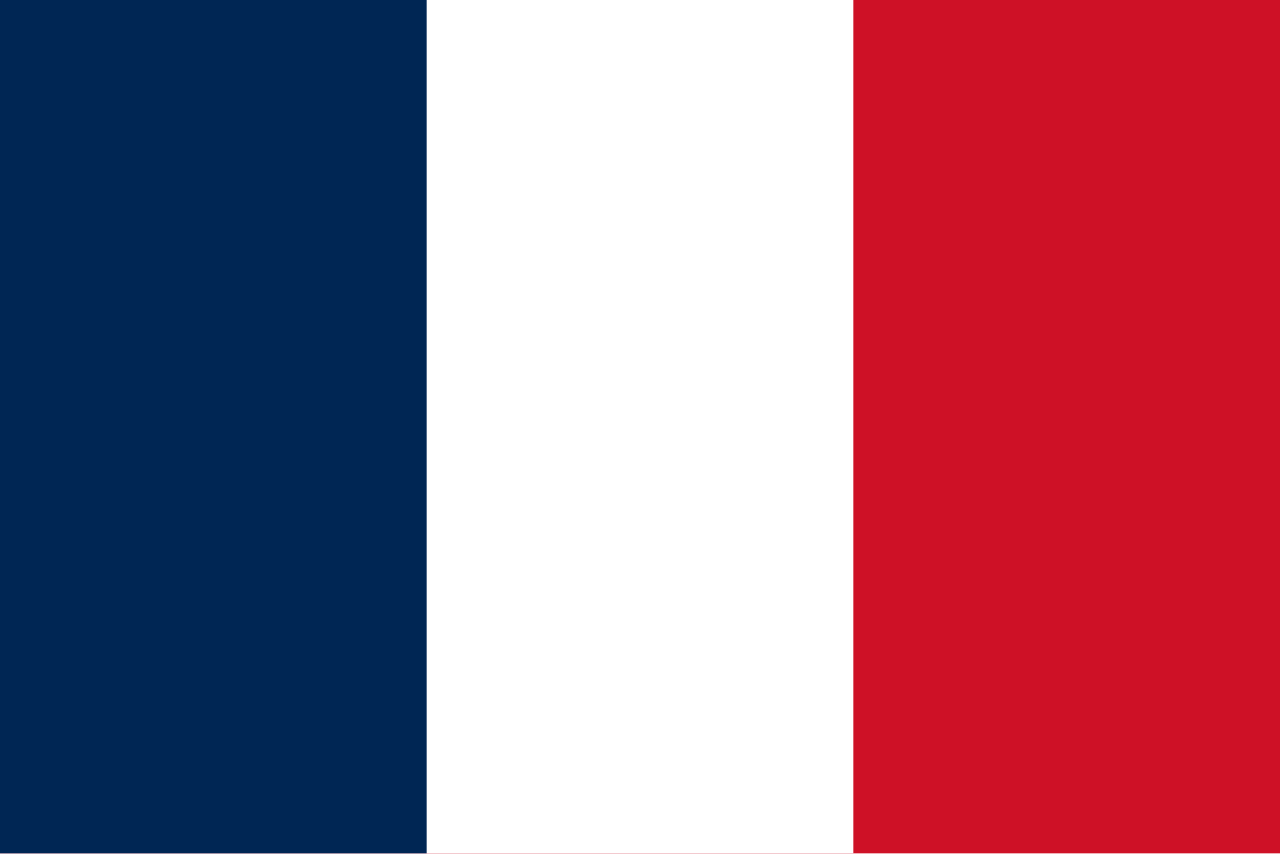
France
Gabon
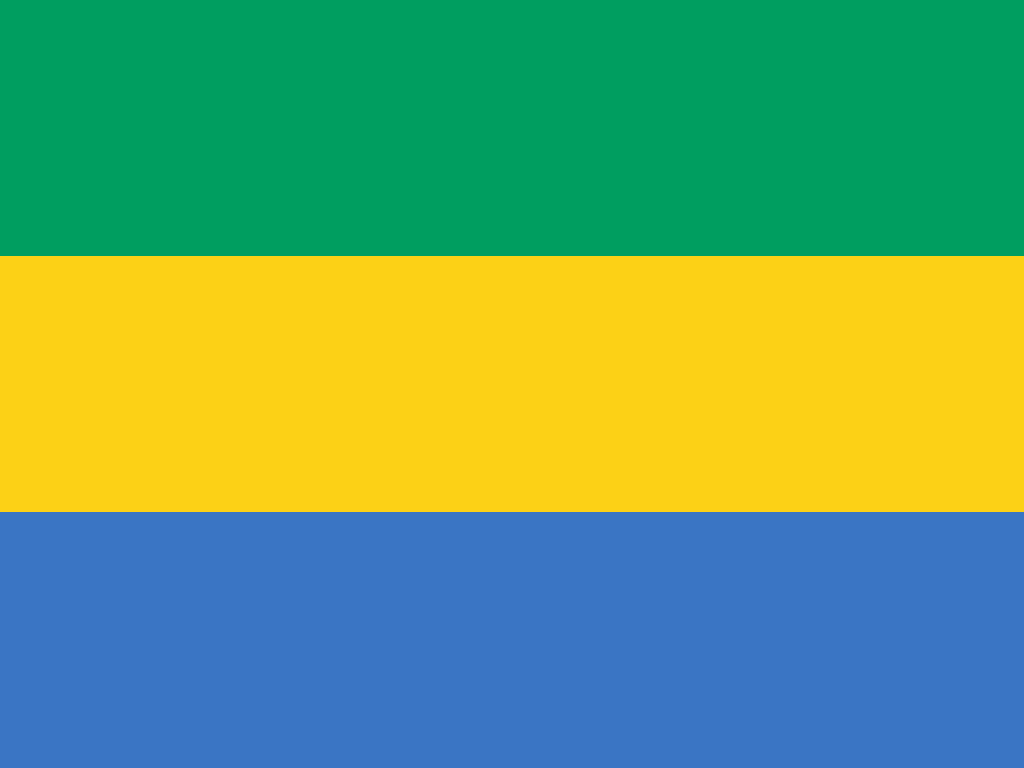
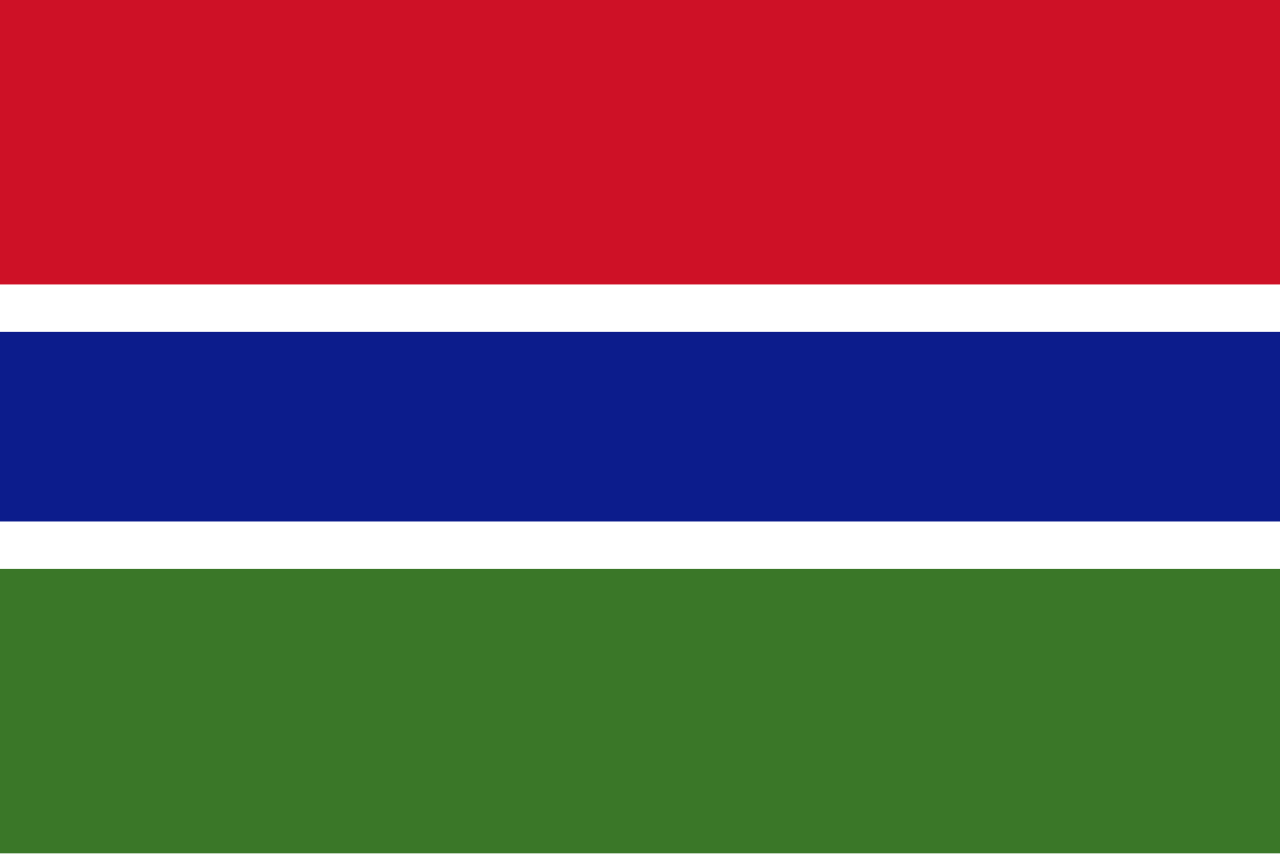
Gambia
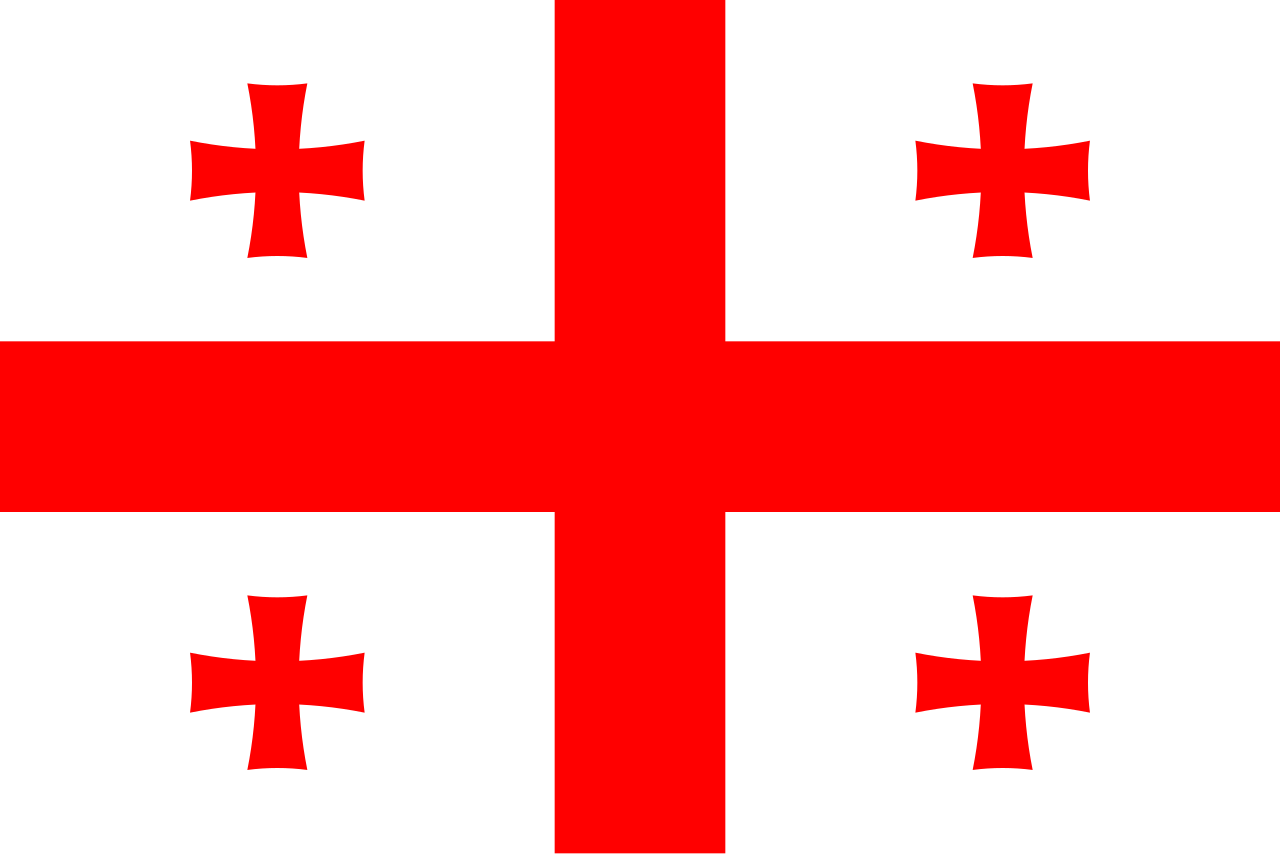
Georgia
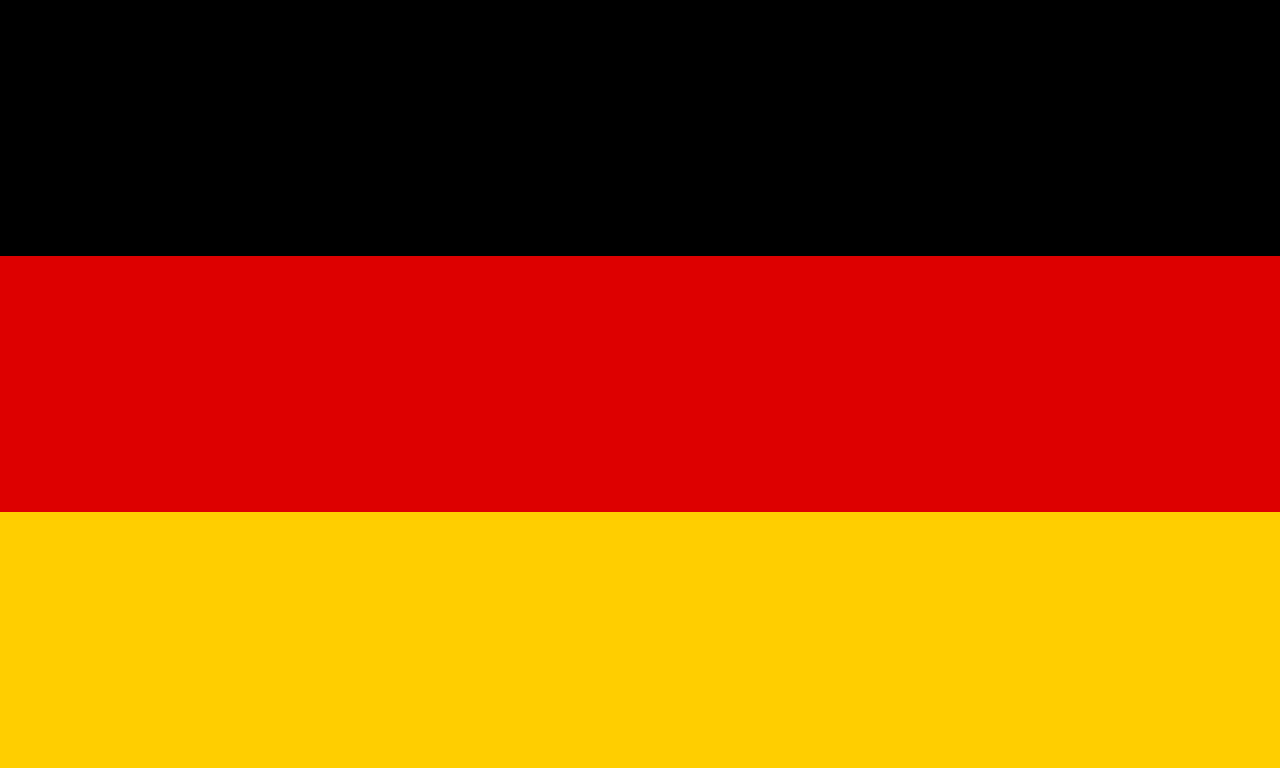
Germany
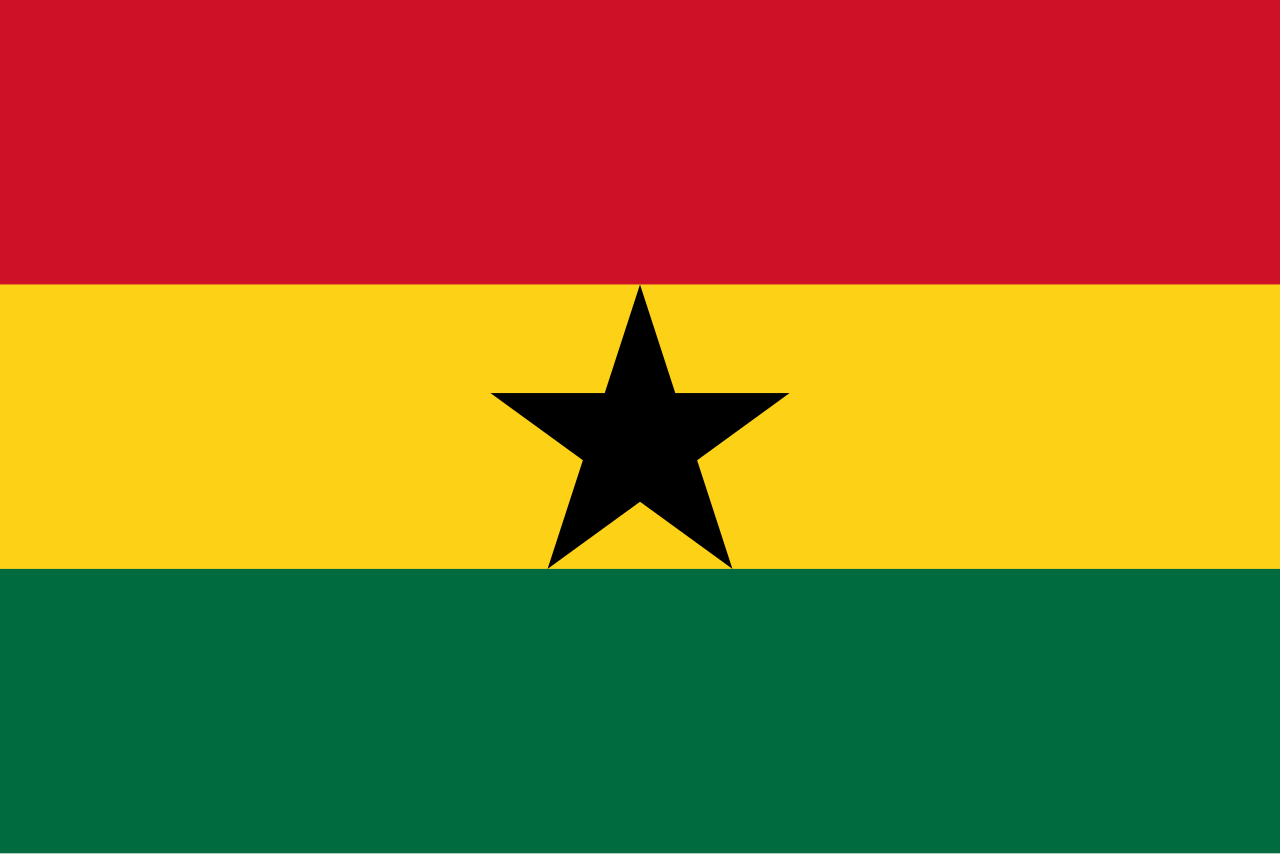
Ghana
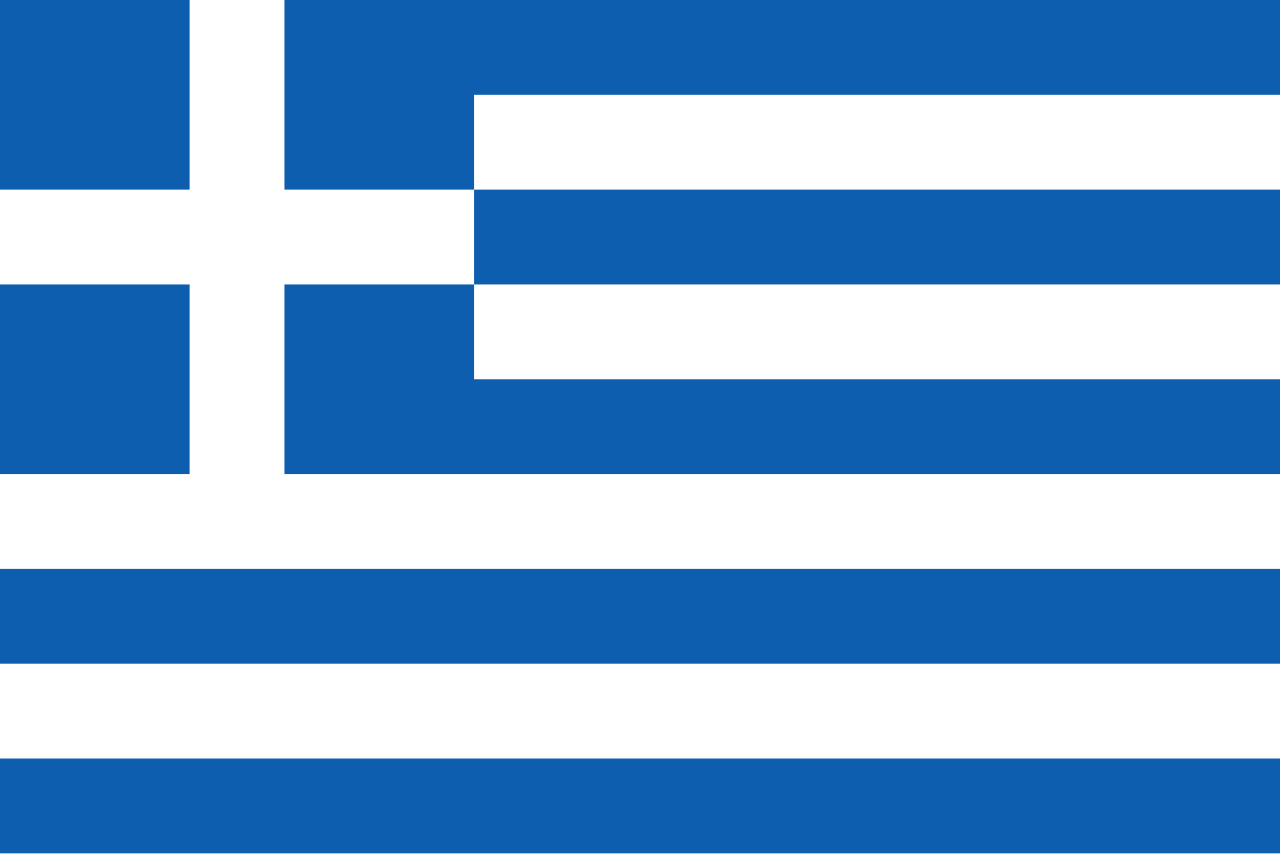
Greece
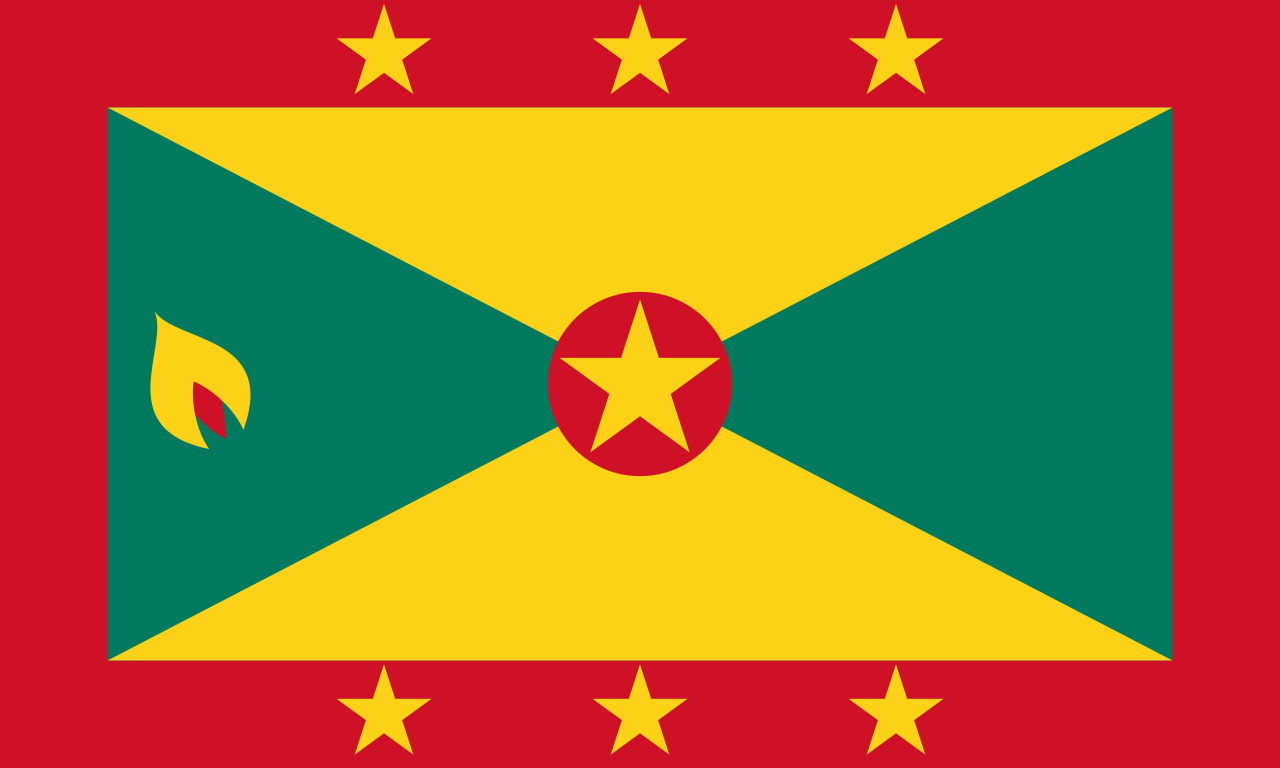
Grenada
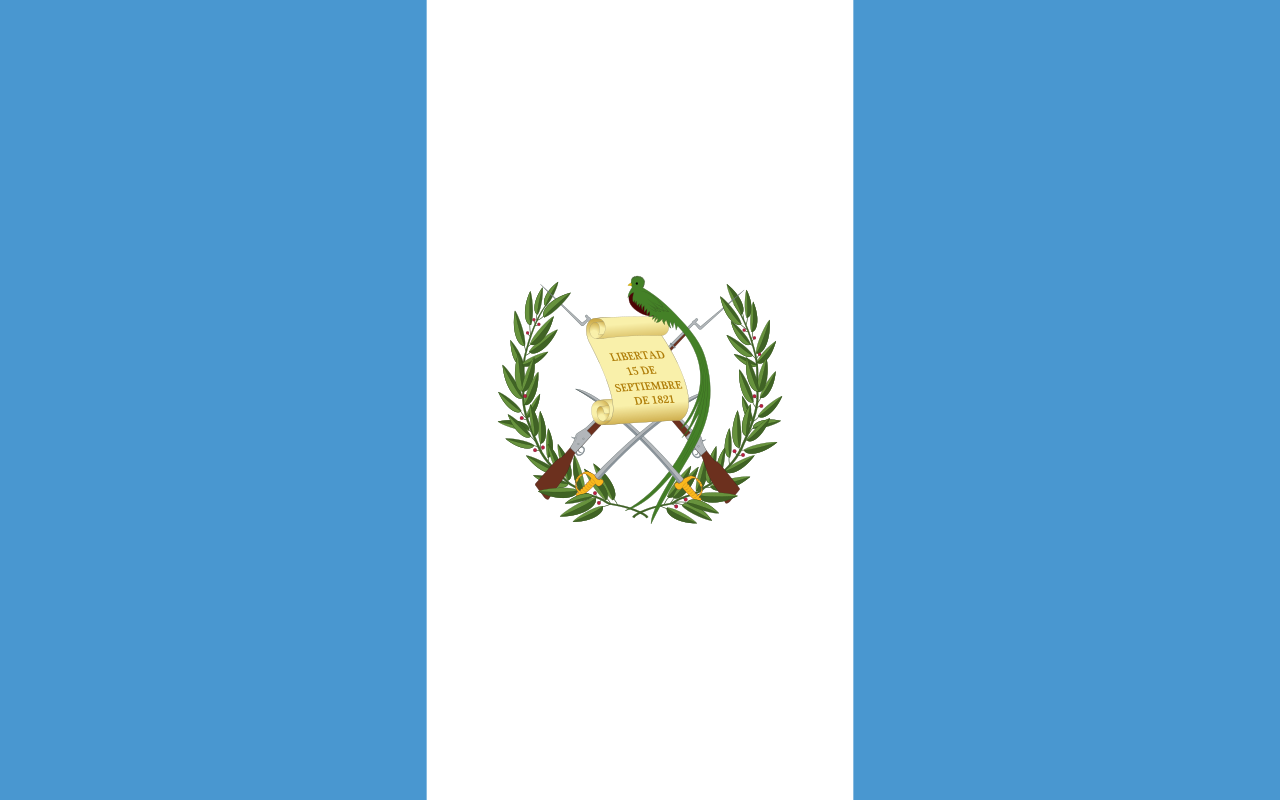
Guatemala
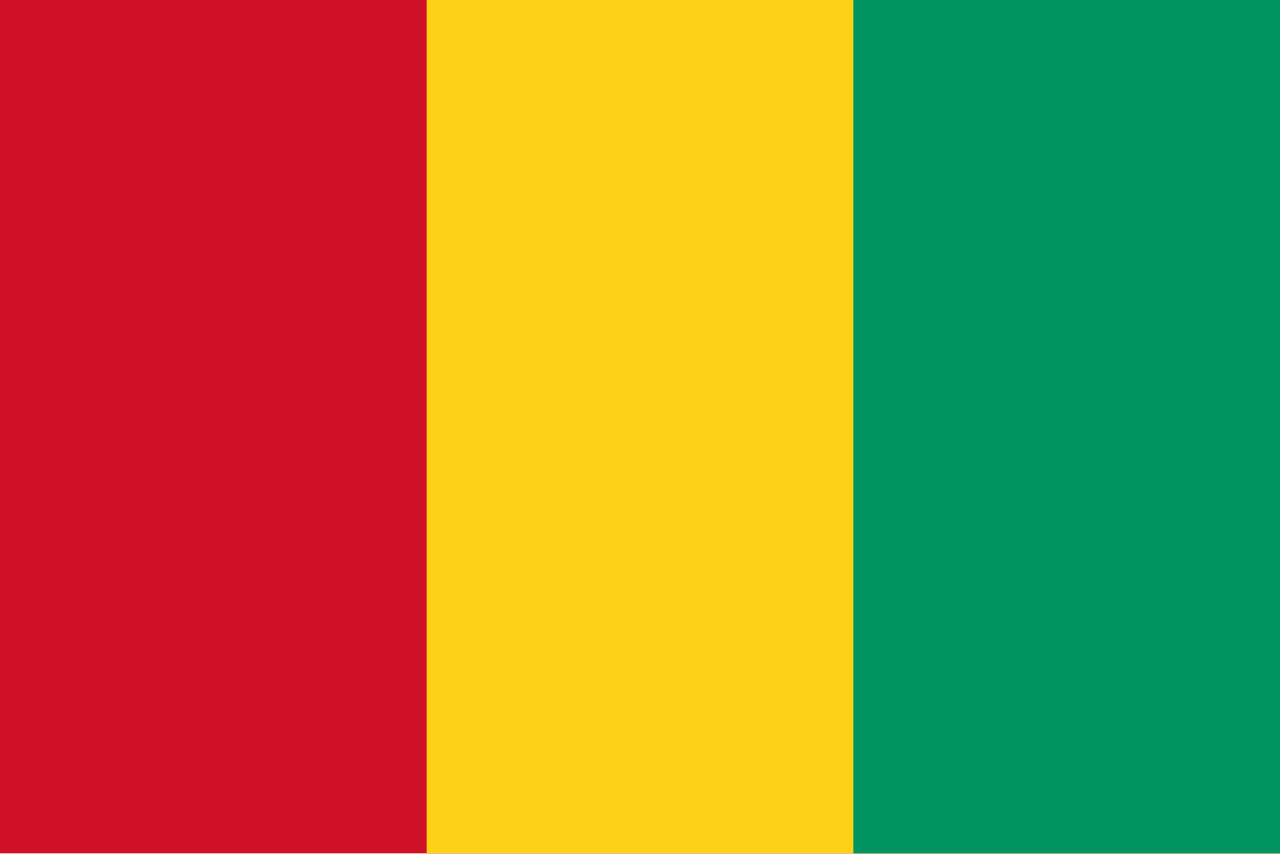
Guinea
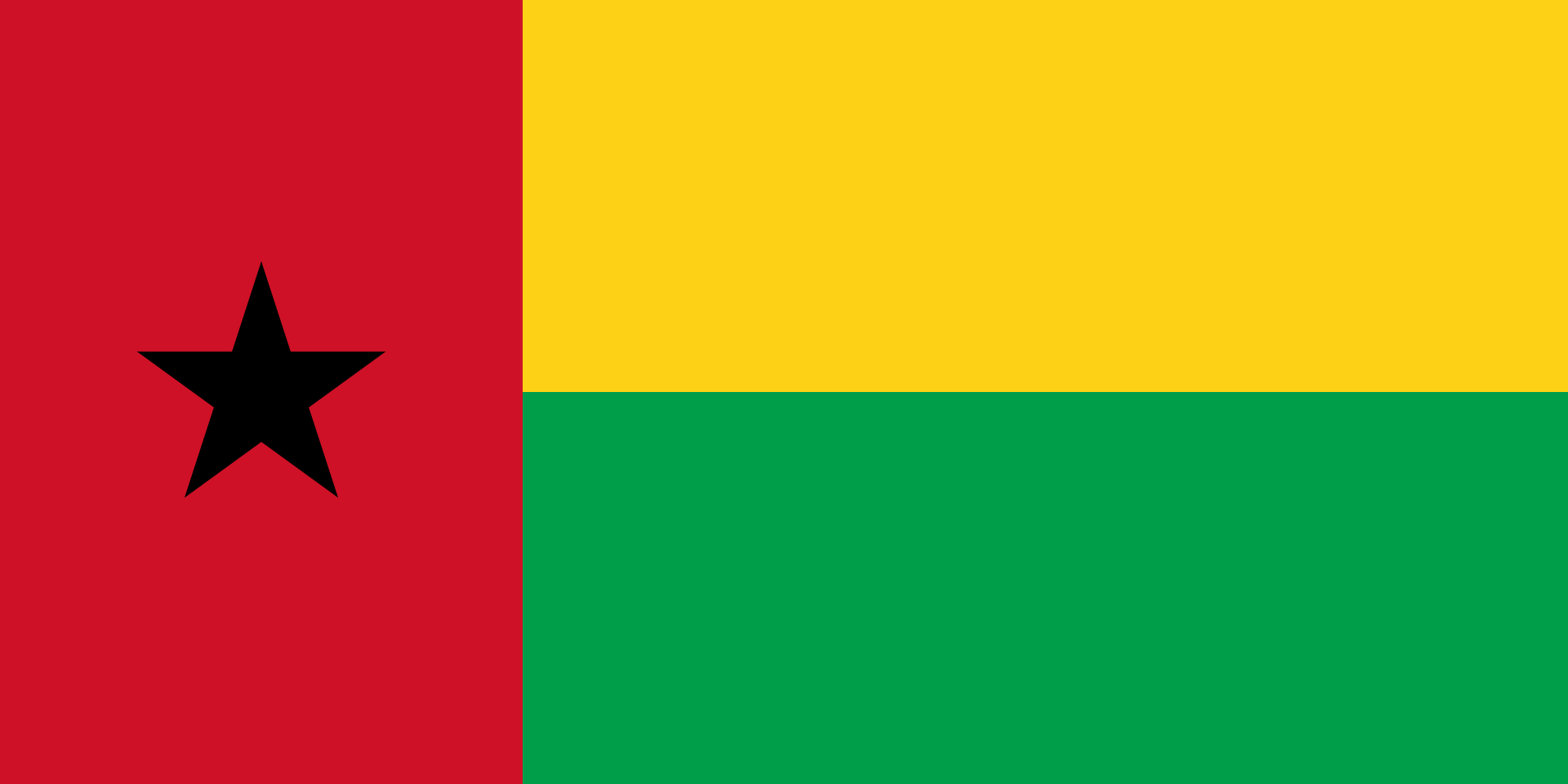
Guinea-Bissau
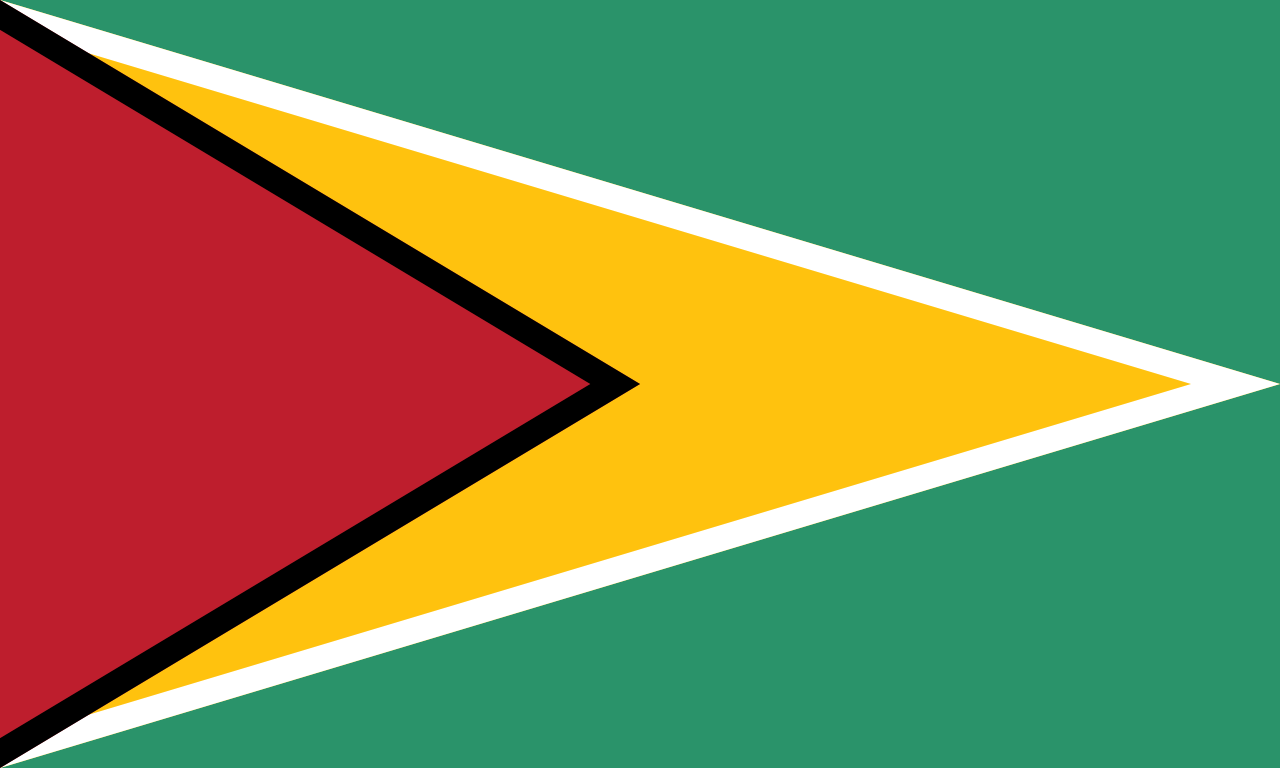
Guyana
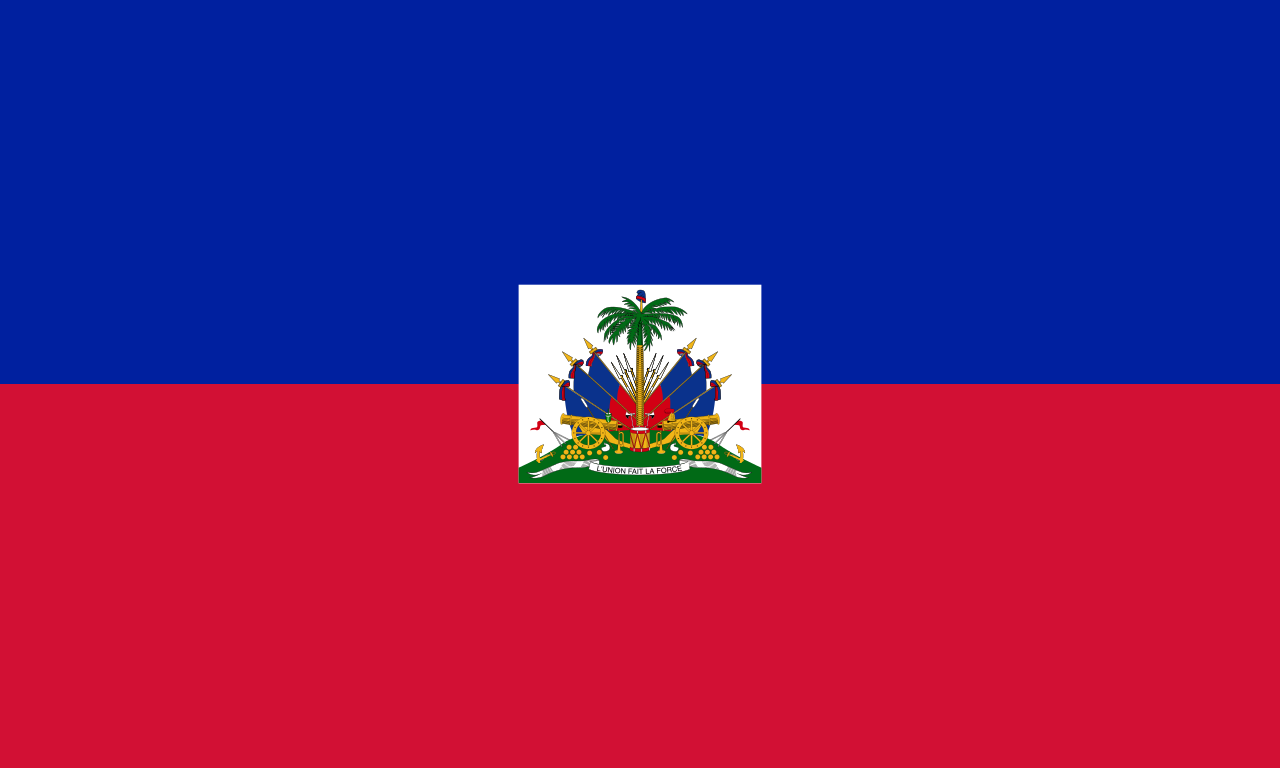
Haiti
Honduras
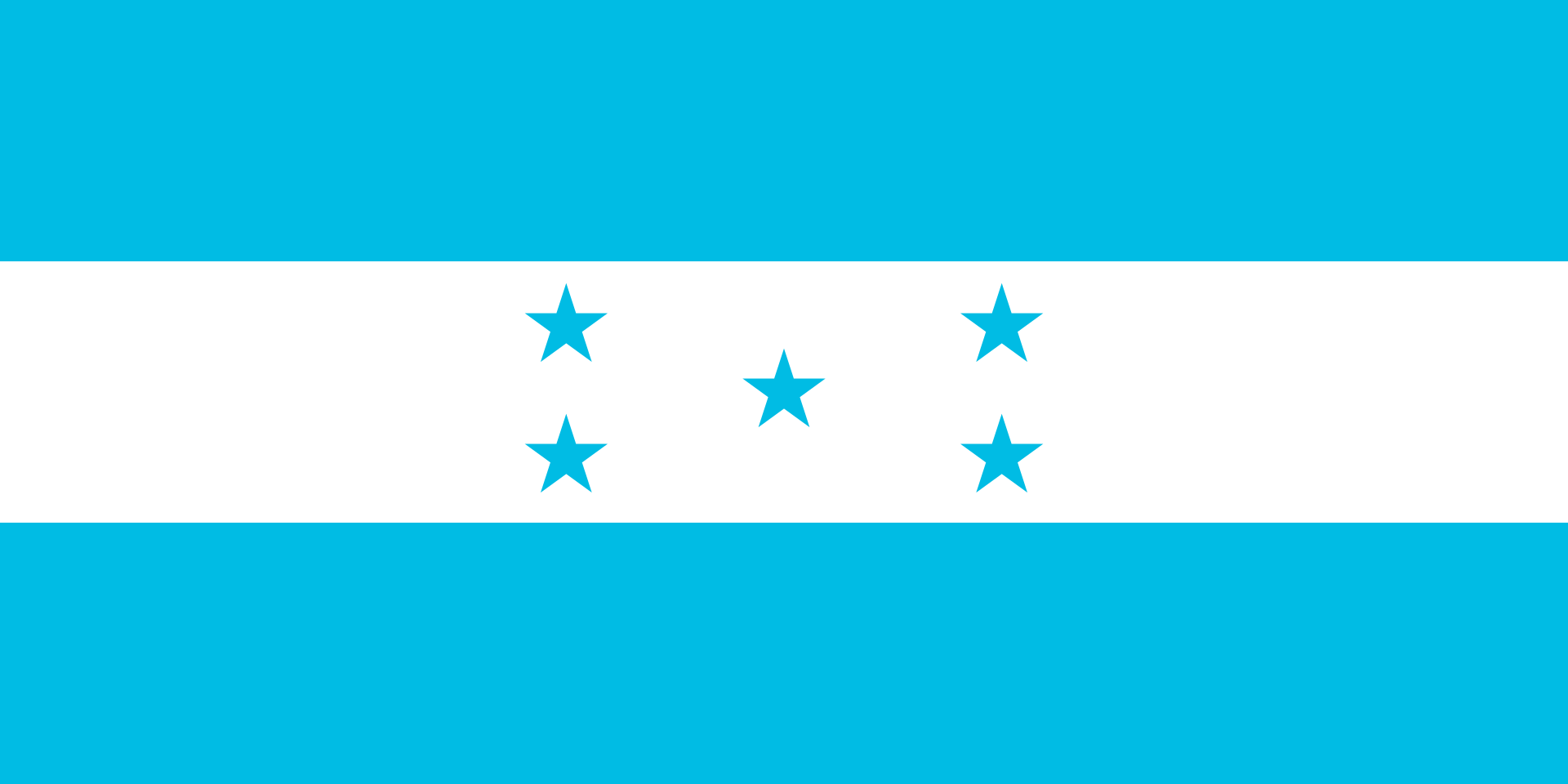
Hungary

Iceland
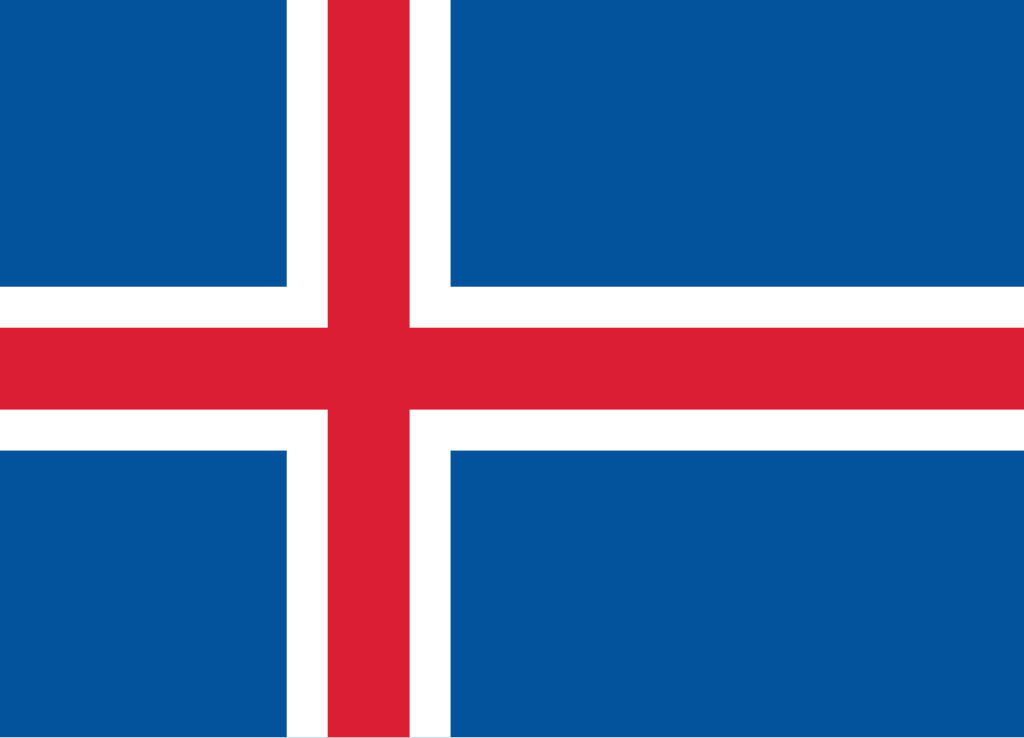
India
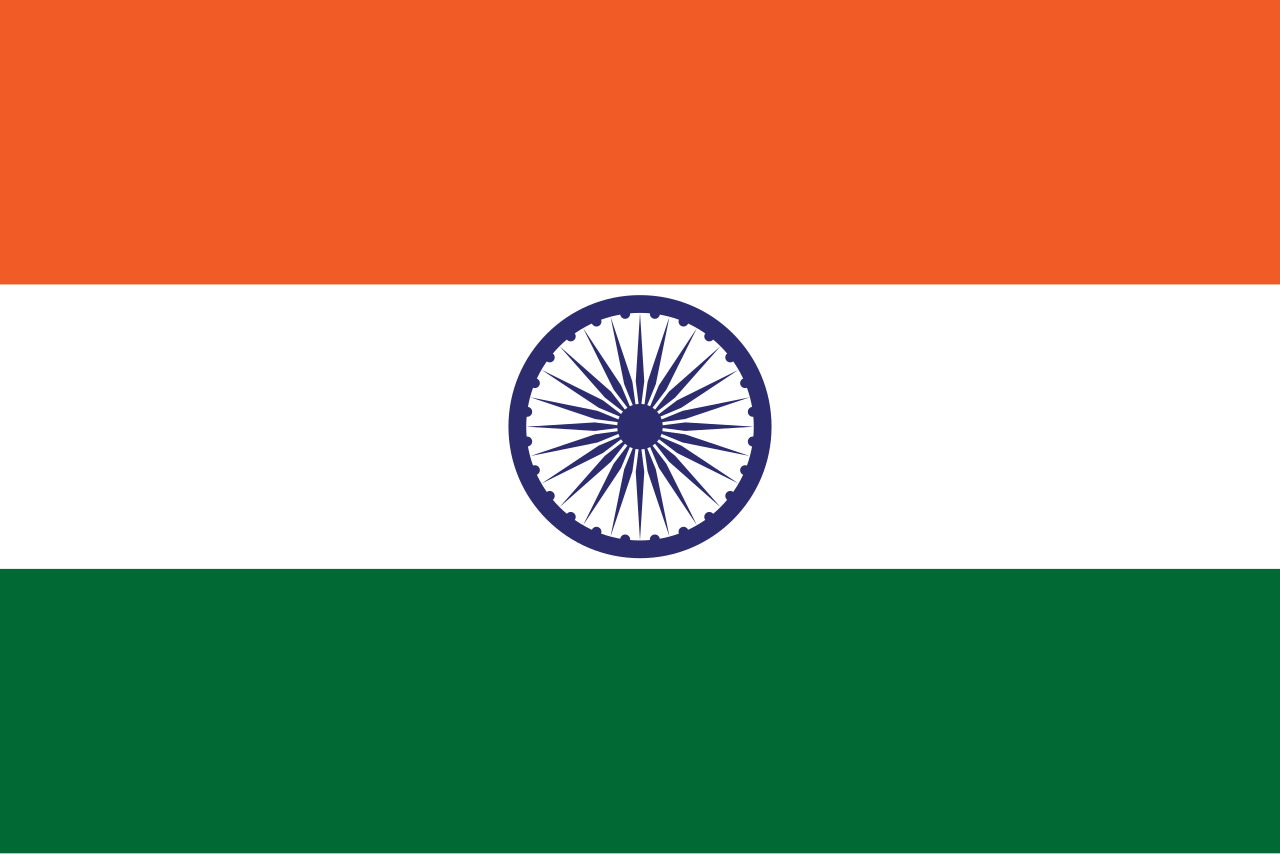
Indonesia
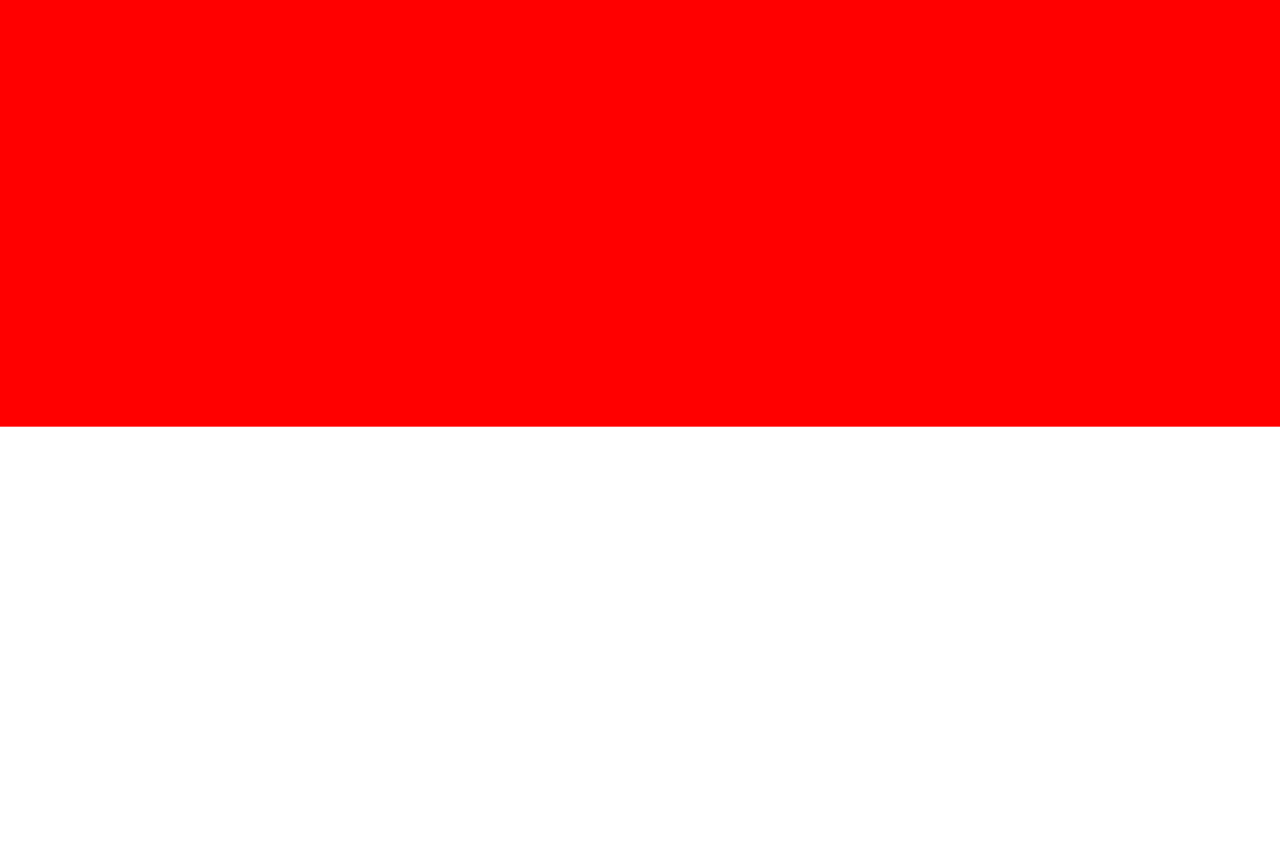
Iran
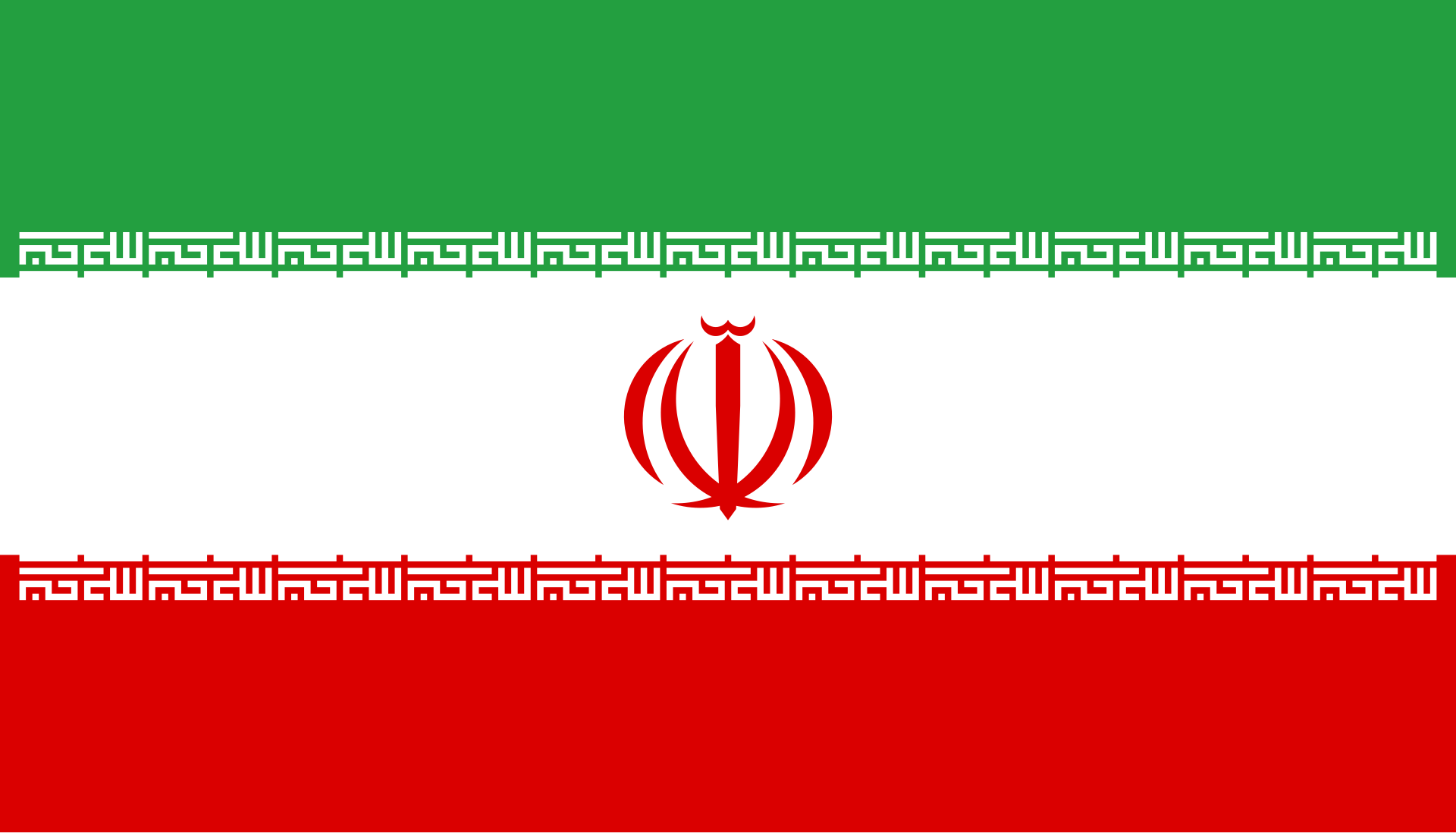
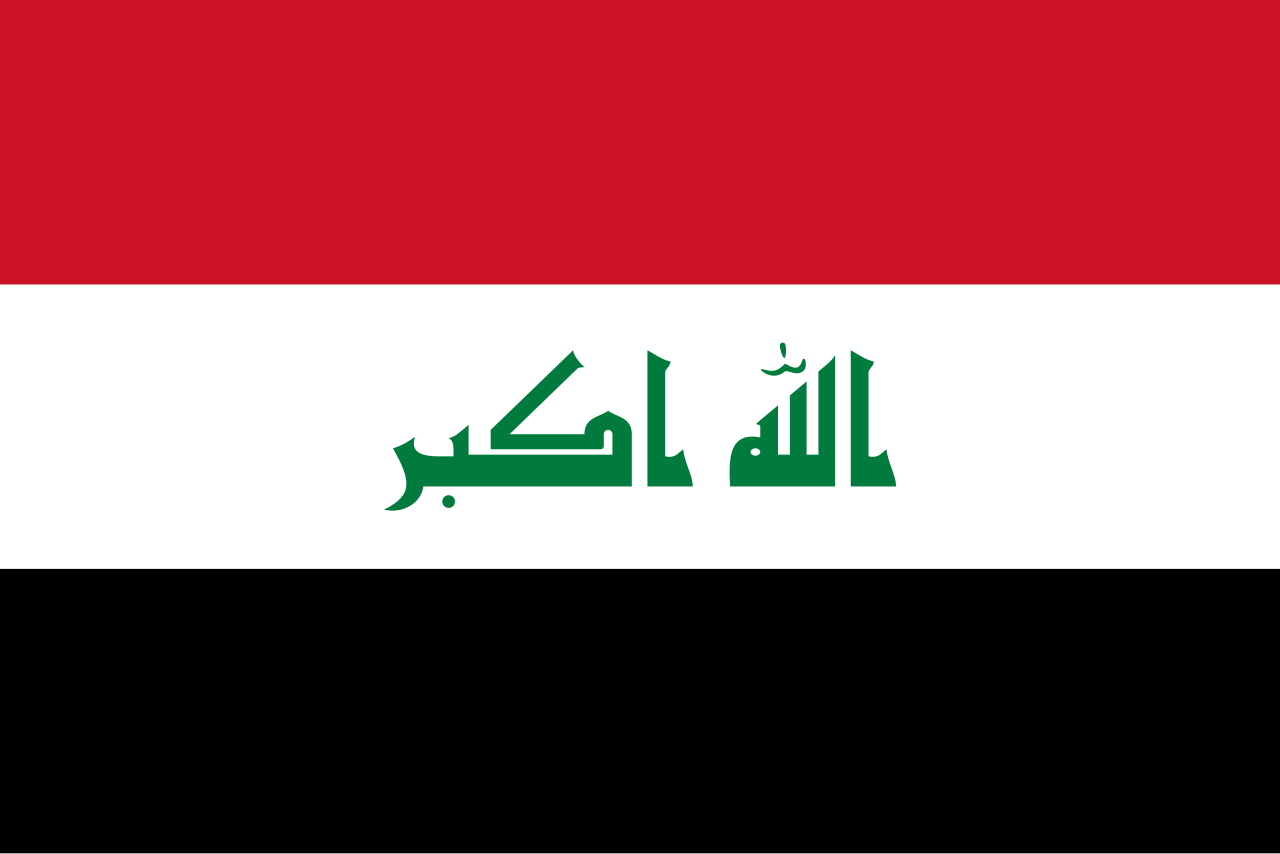
Iraq is Baghdad
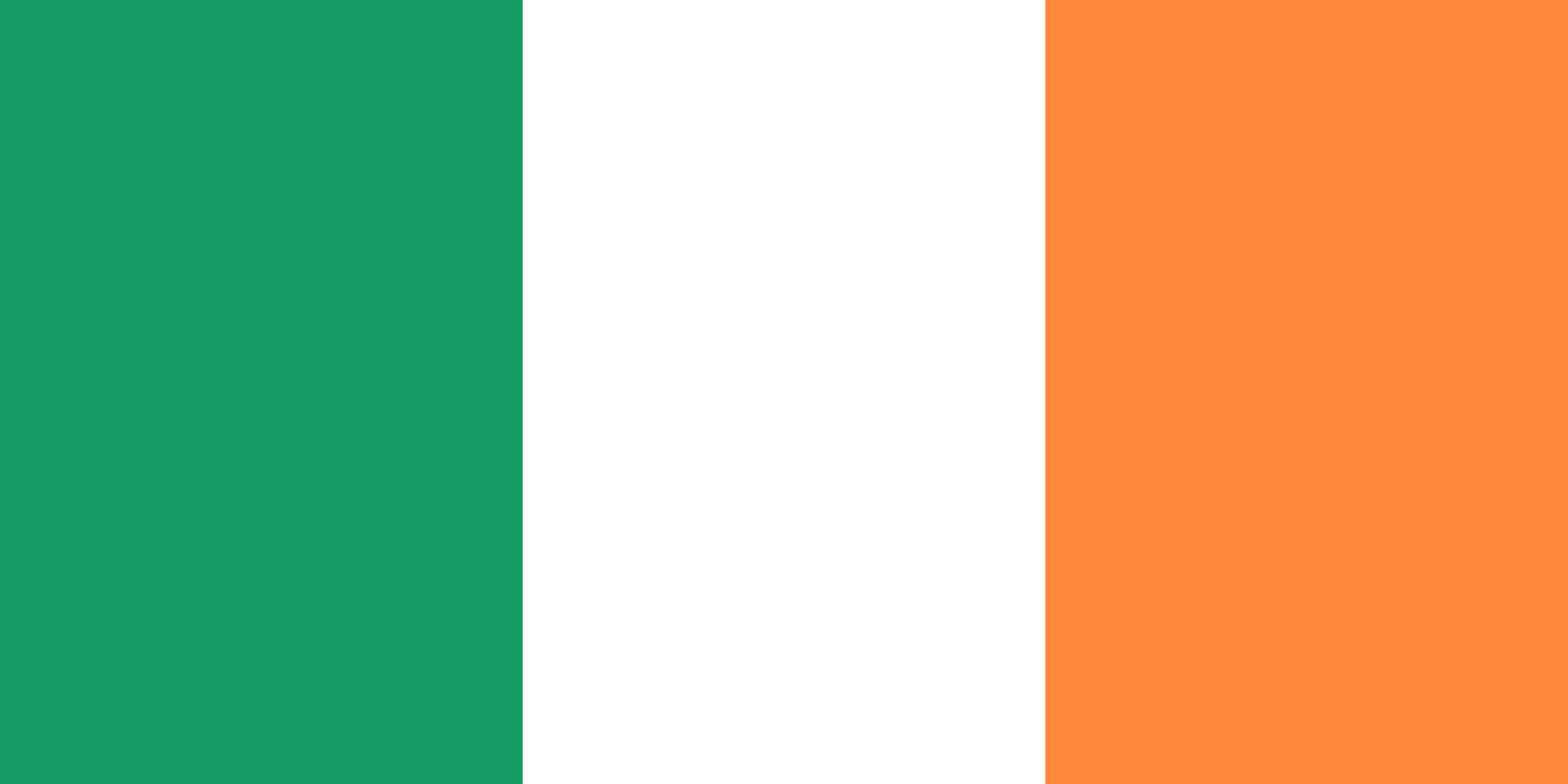
Ireland
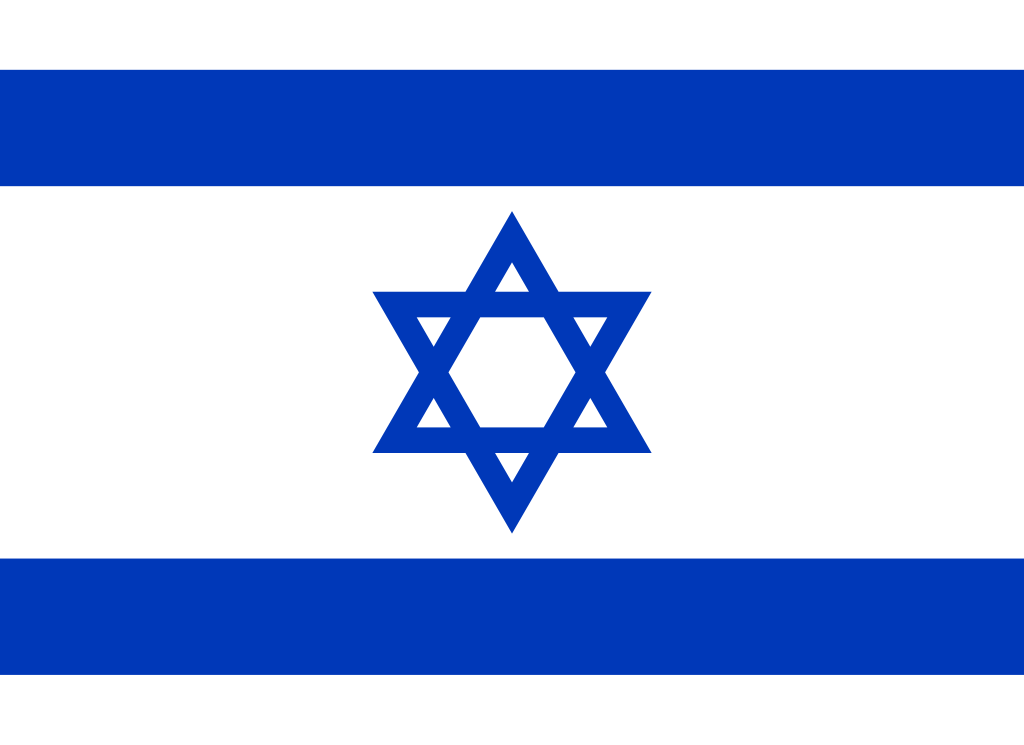
Israel
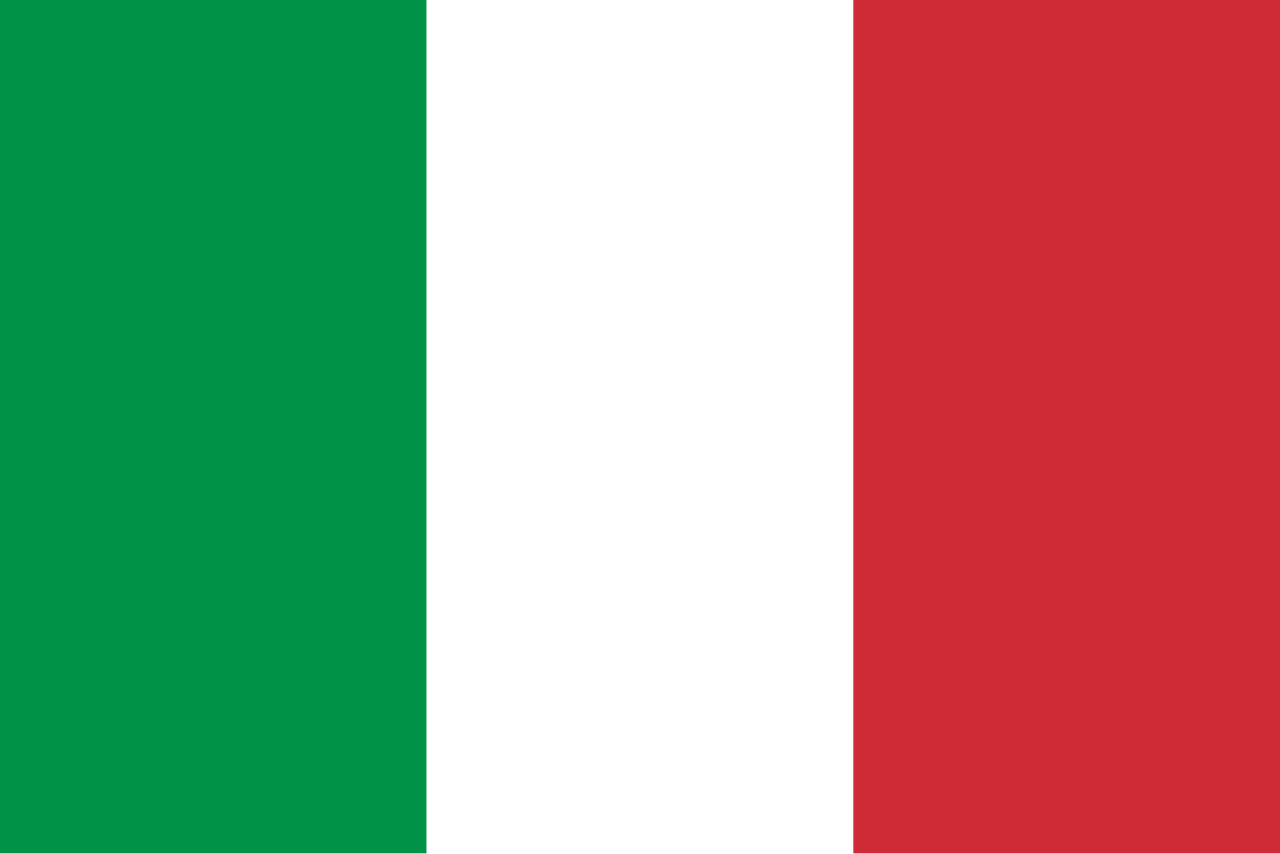
Italy
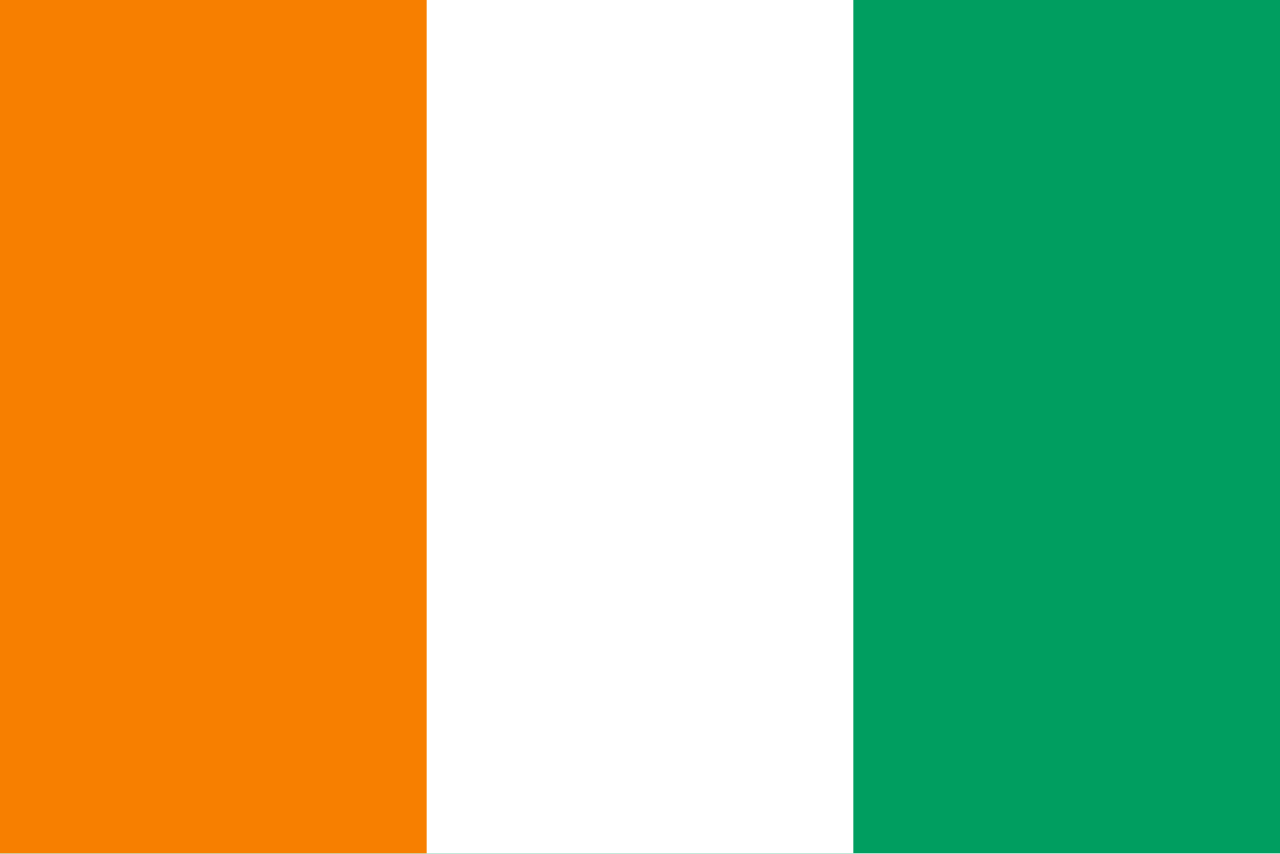
Ivory Coast
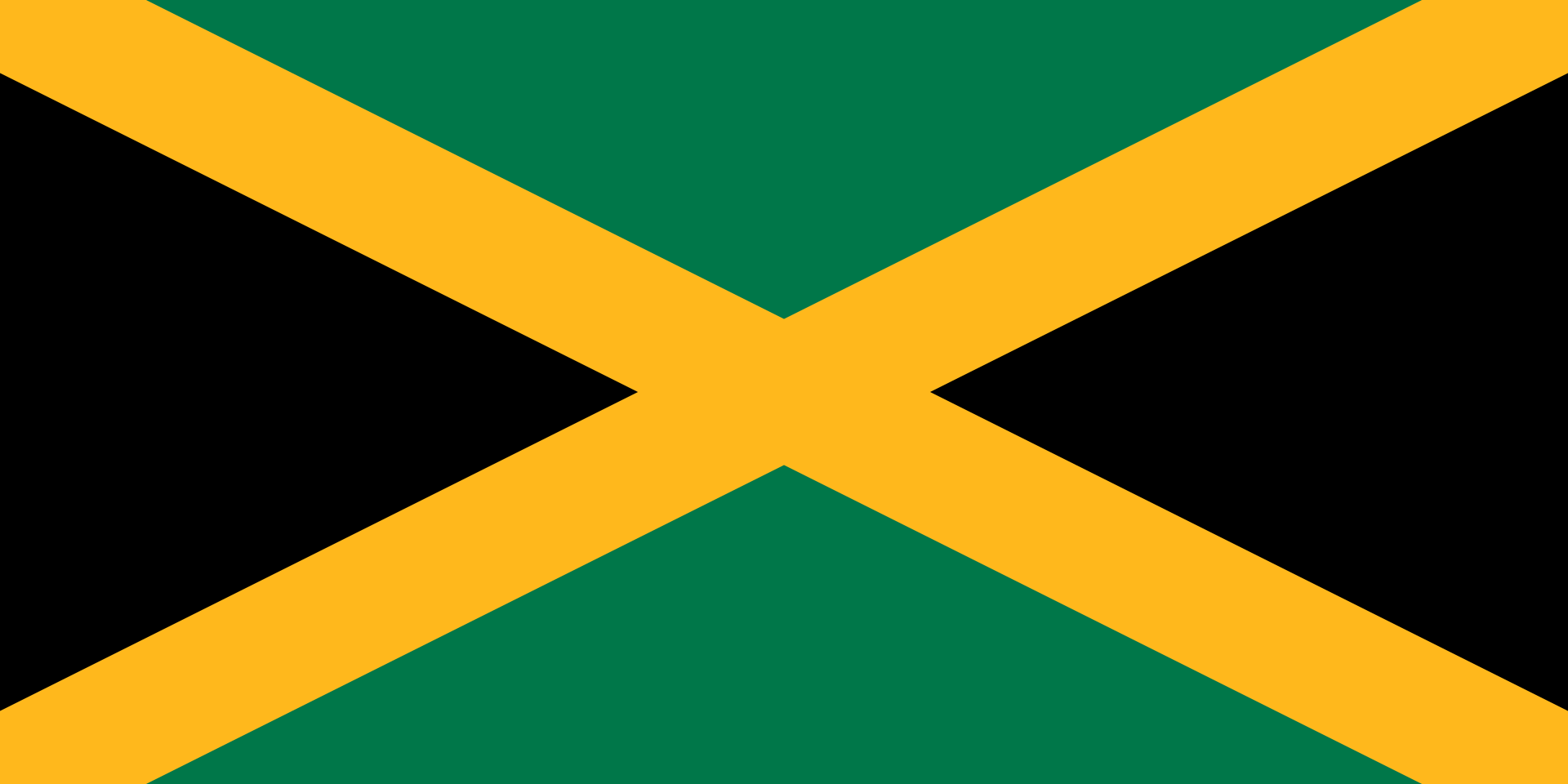
Jamaica
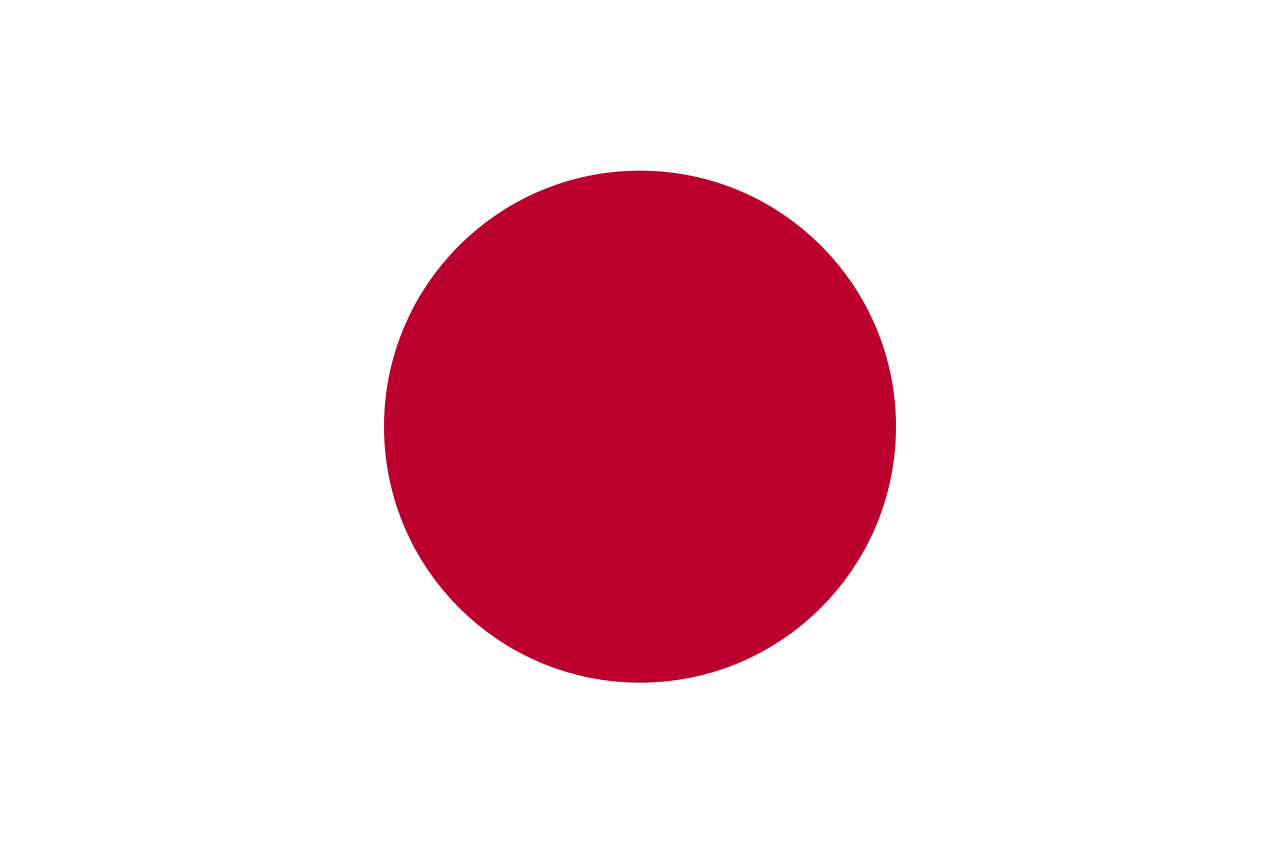
Japan
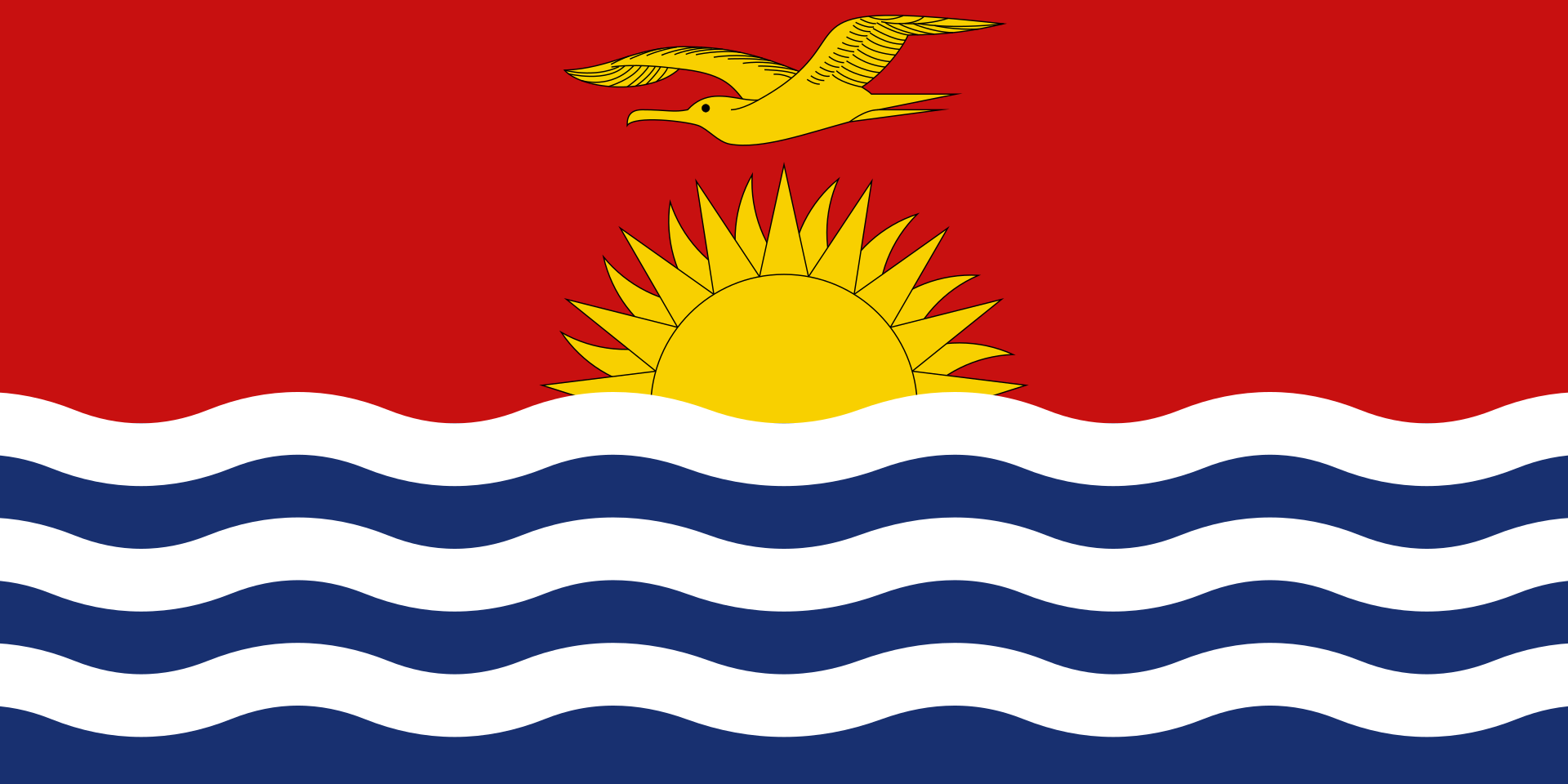
Jordan
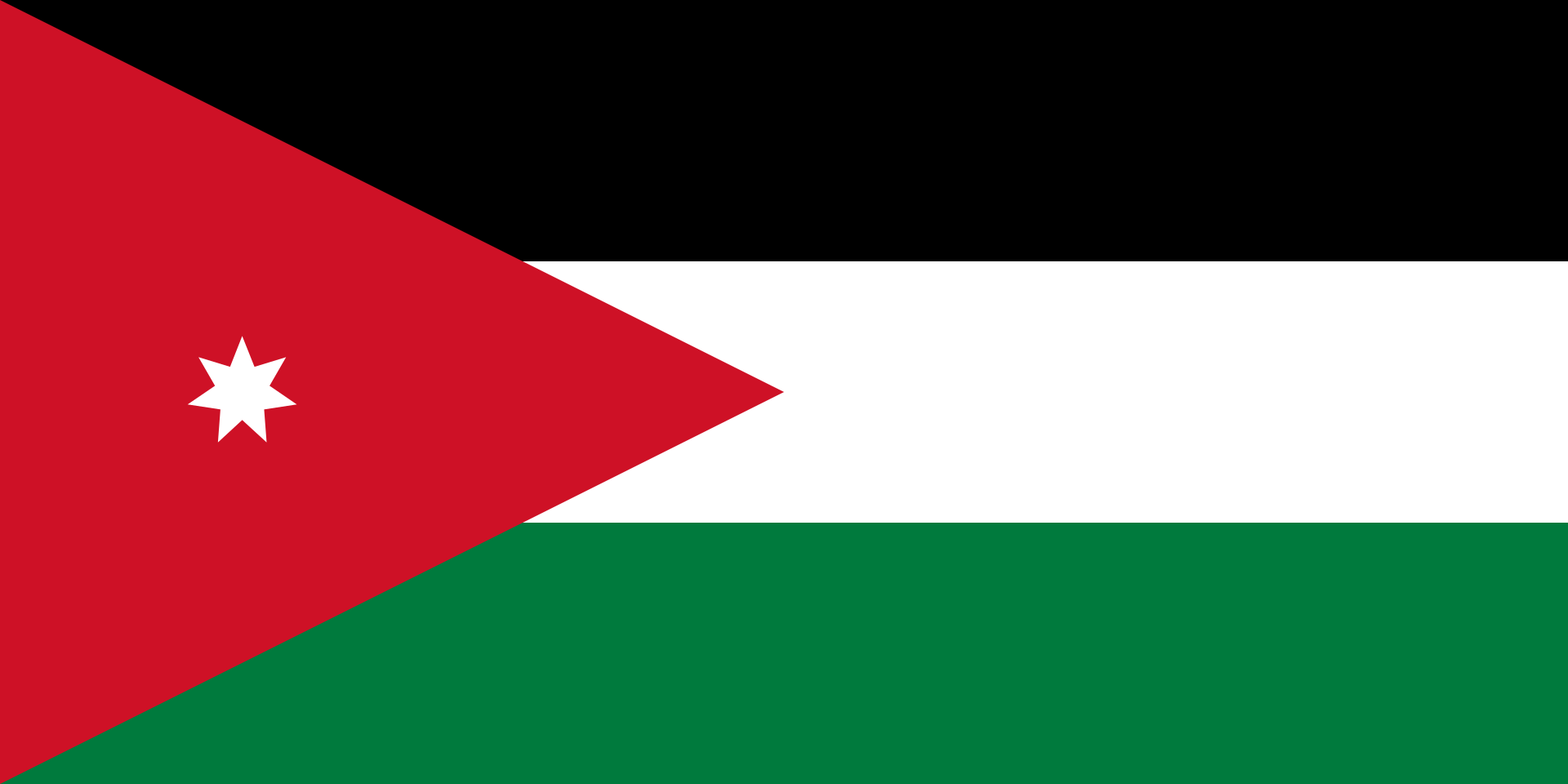
Kazakhstan
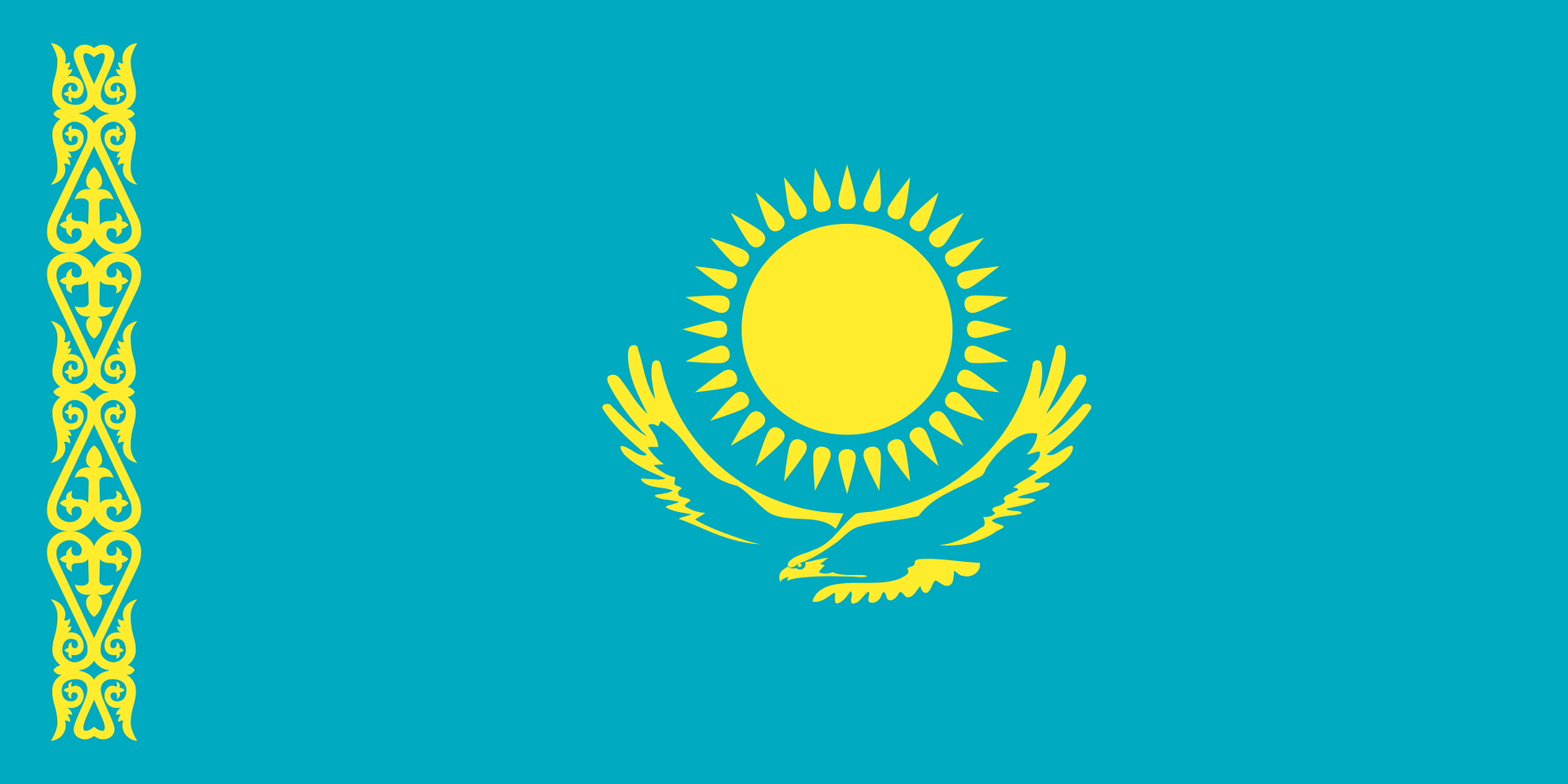
Kenya
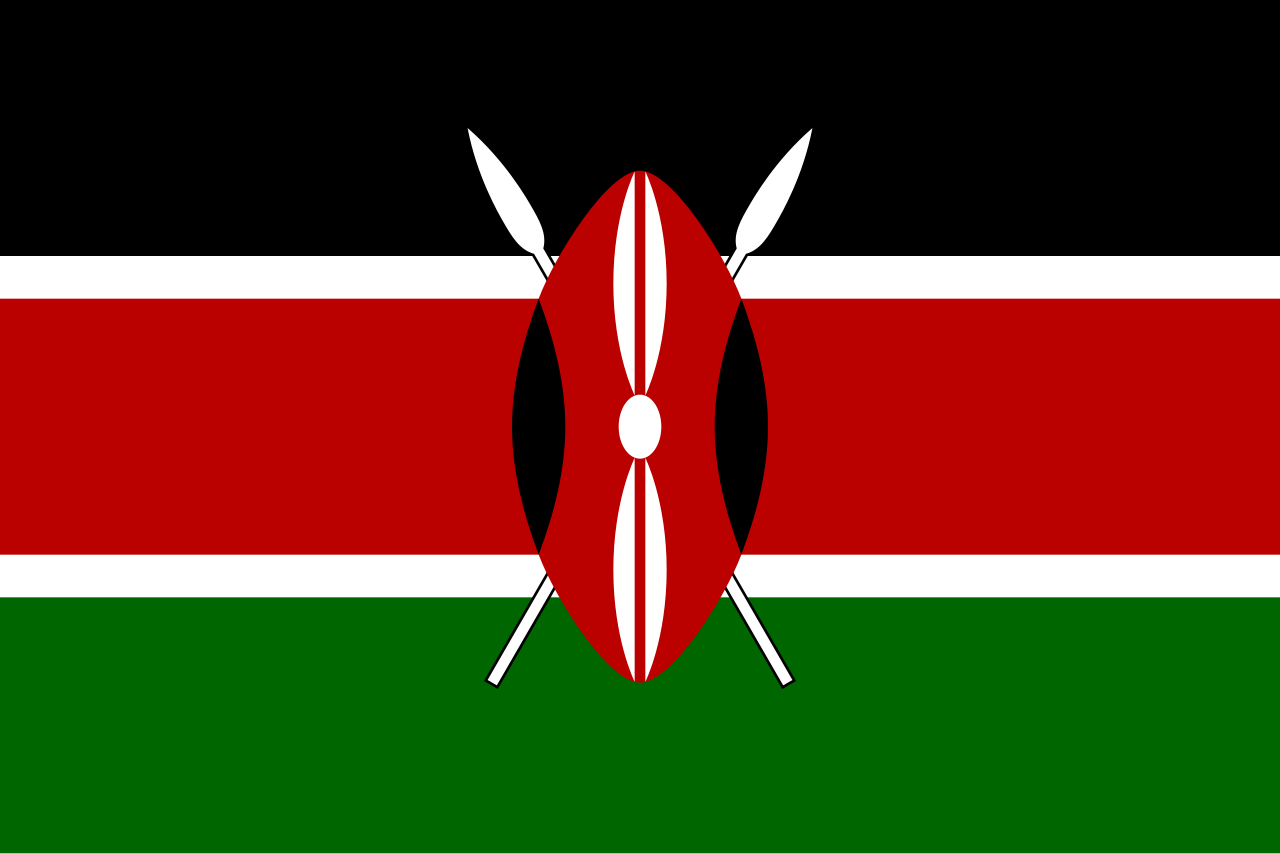
Kiribati
Kuwait
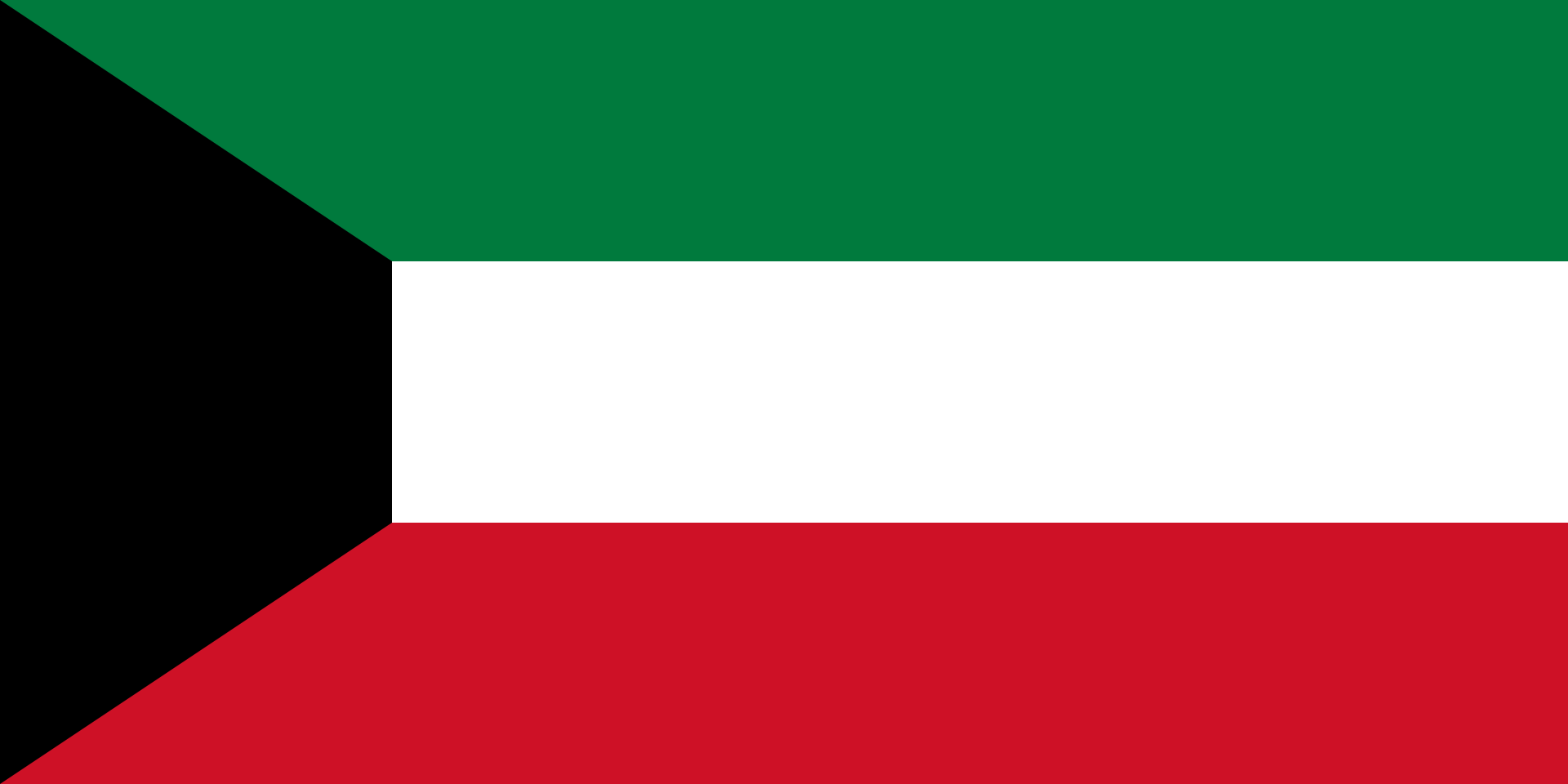
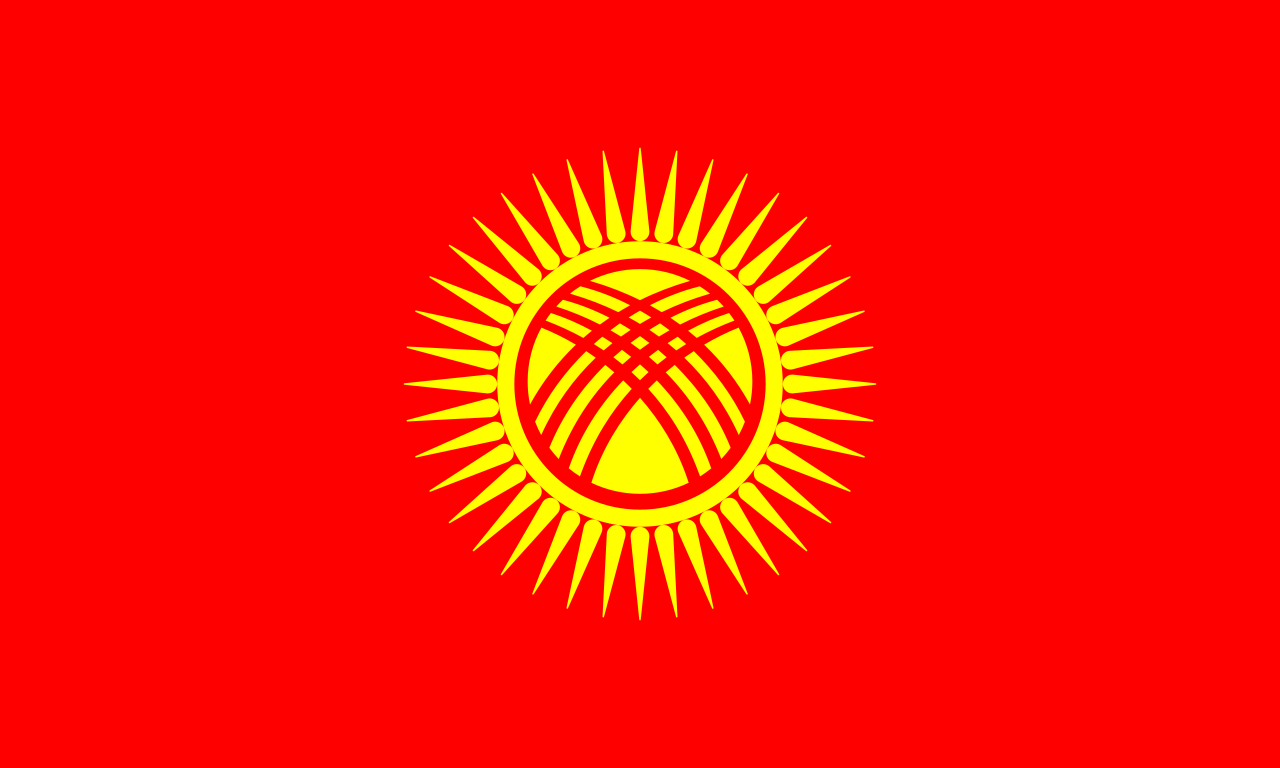
Laos
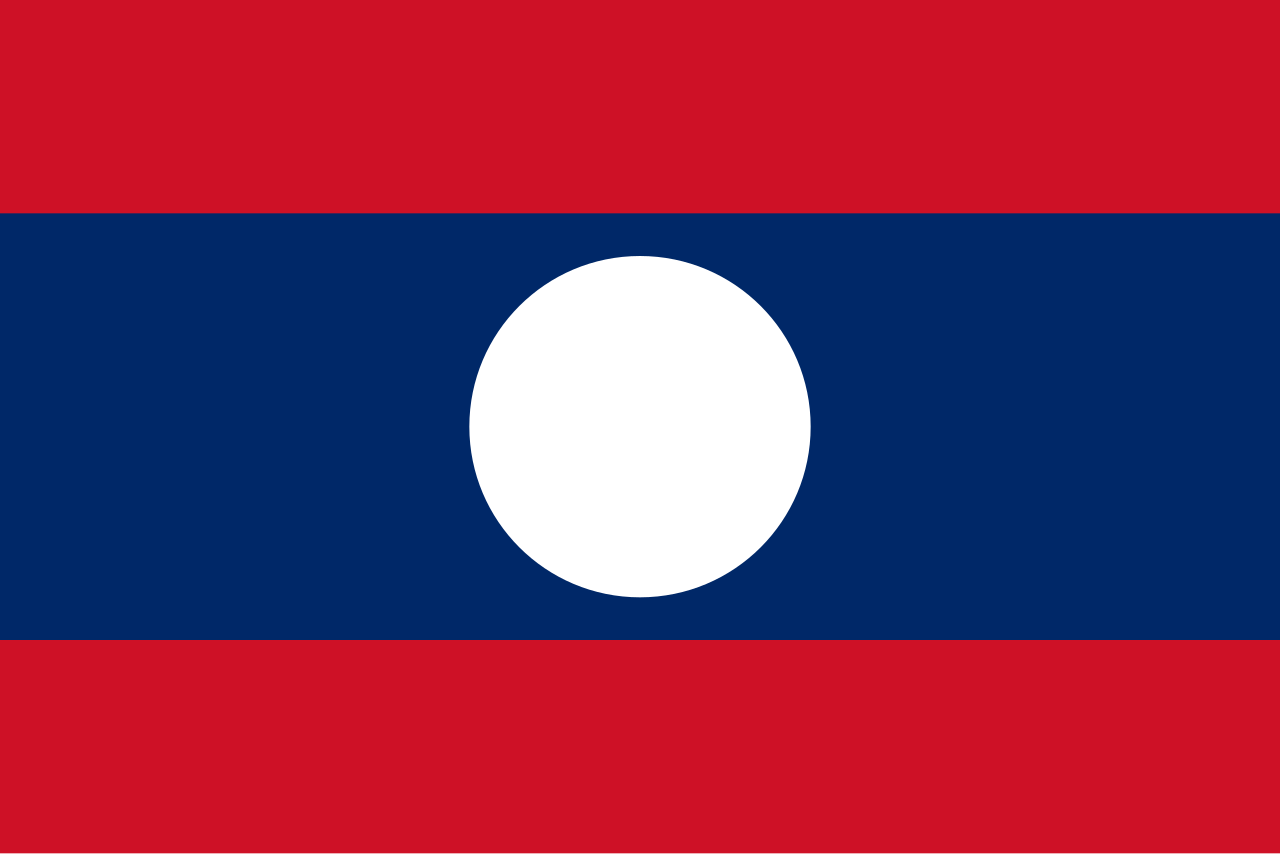
Latvia
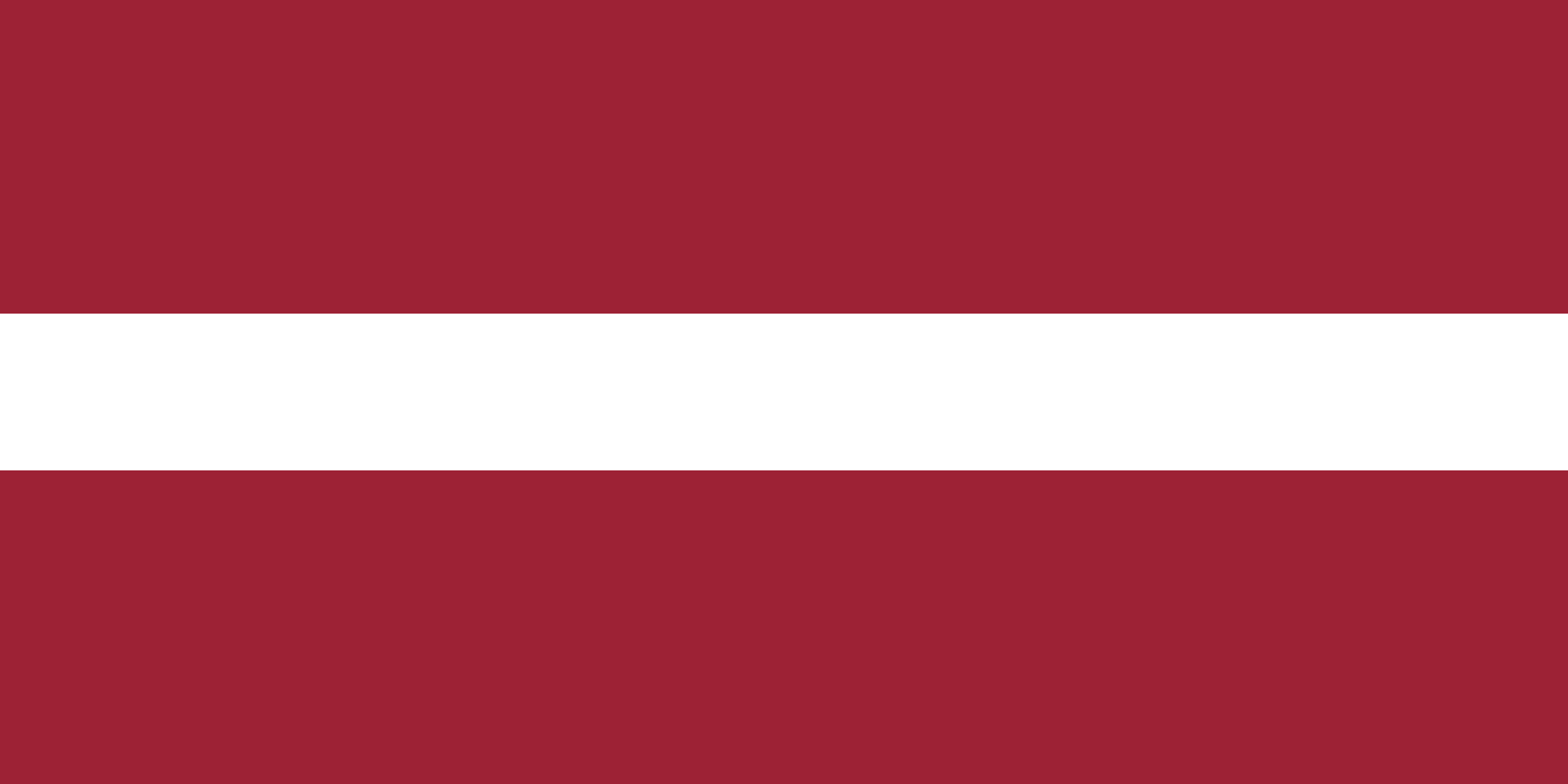
Lebanon
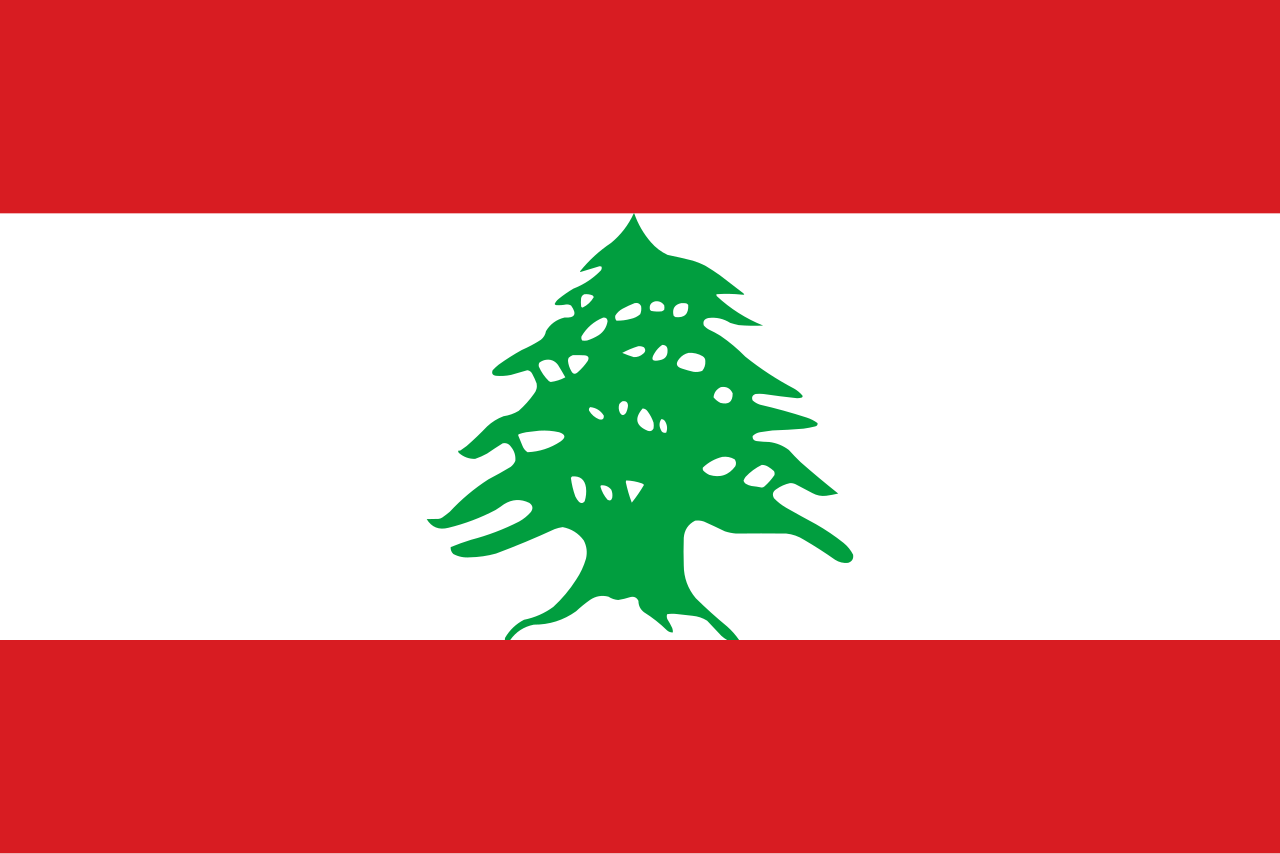

Liberia
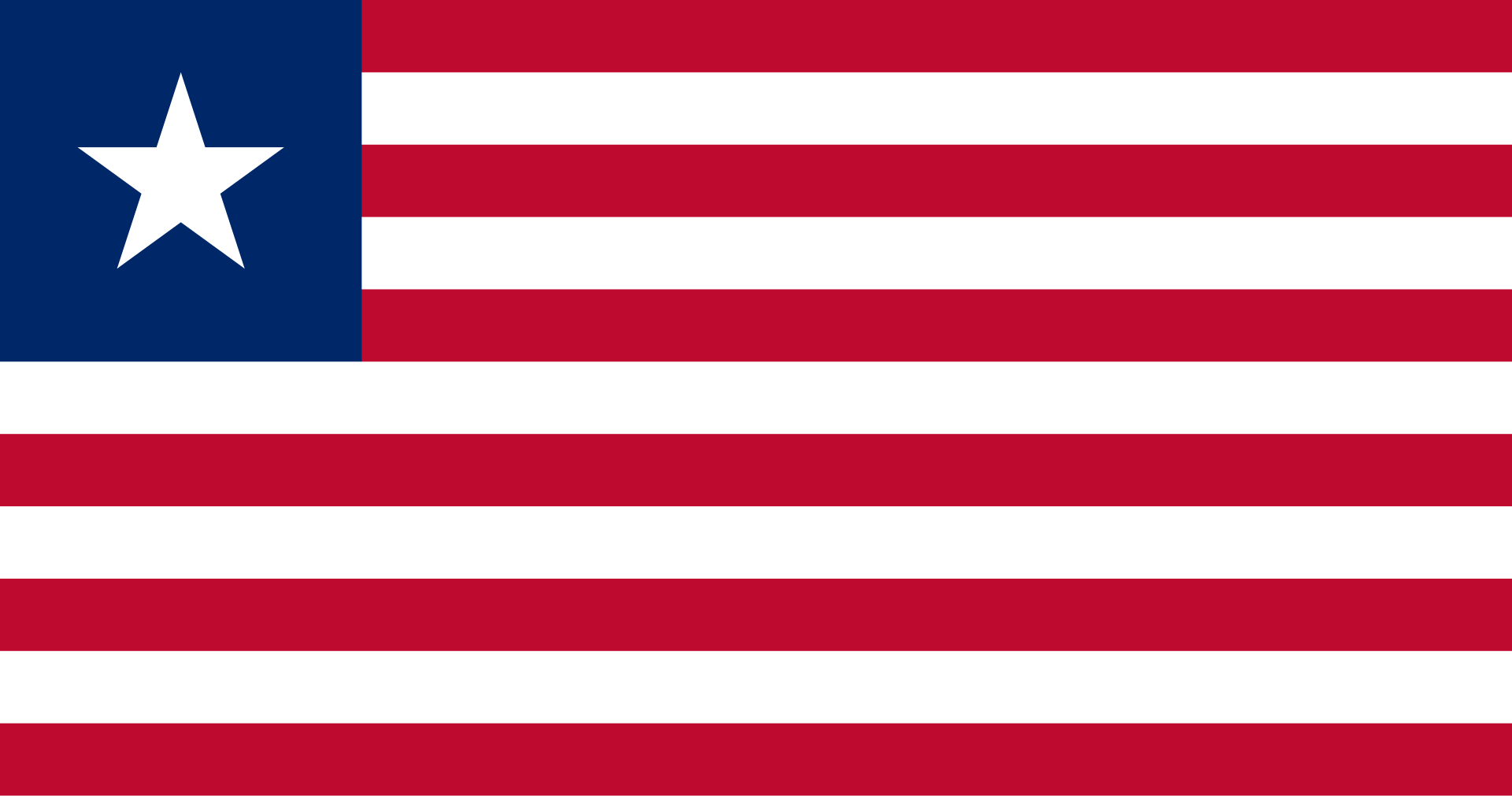
Libya
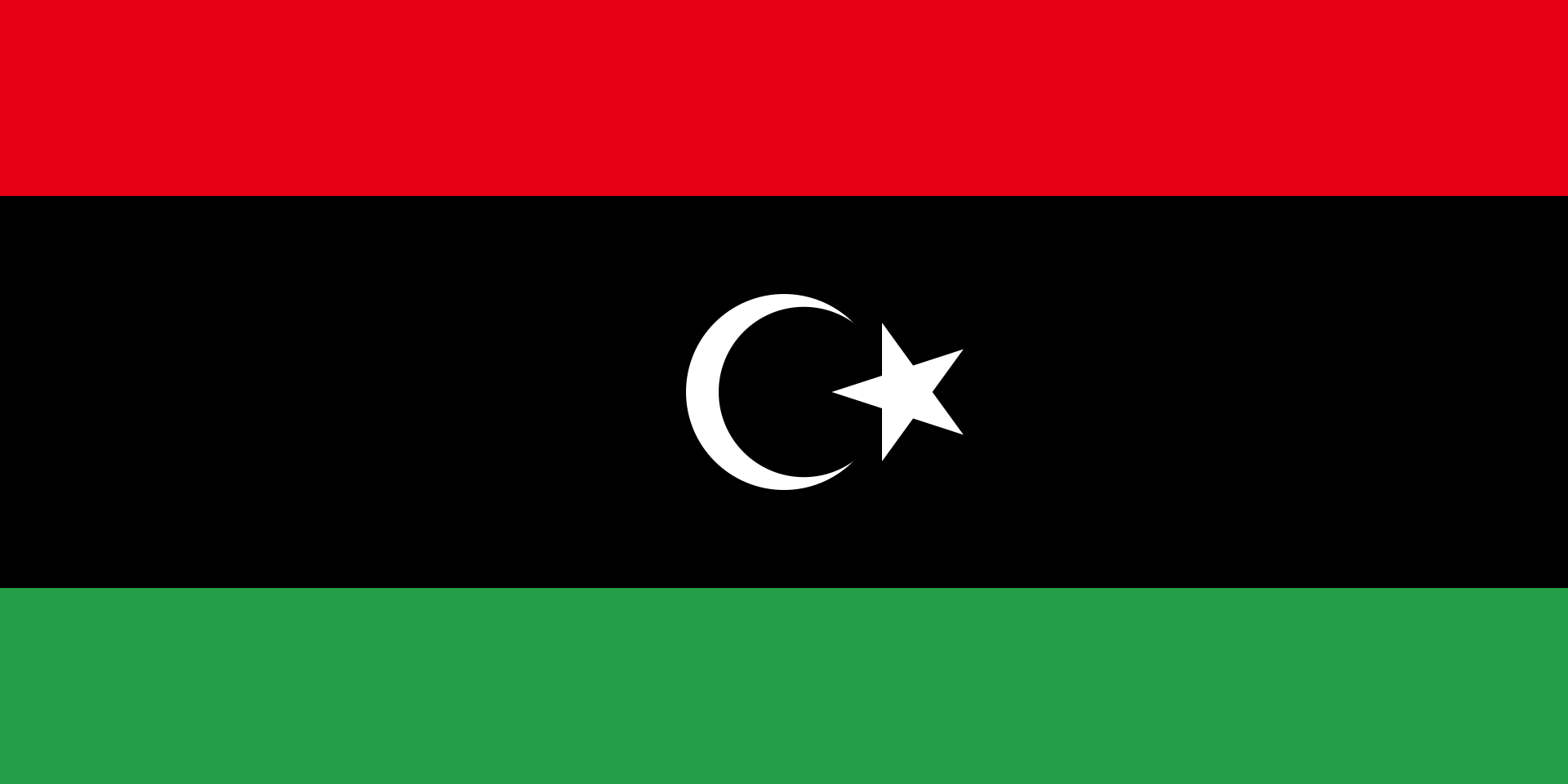
Liechtenstein
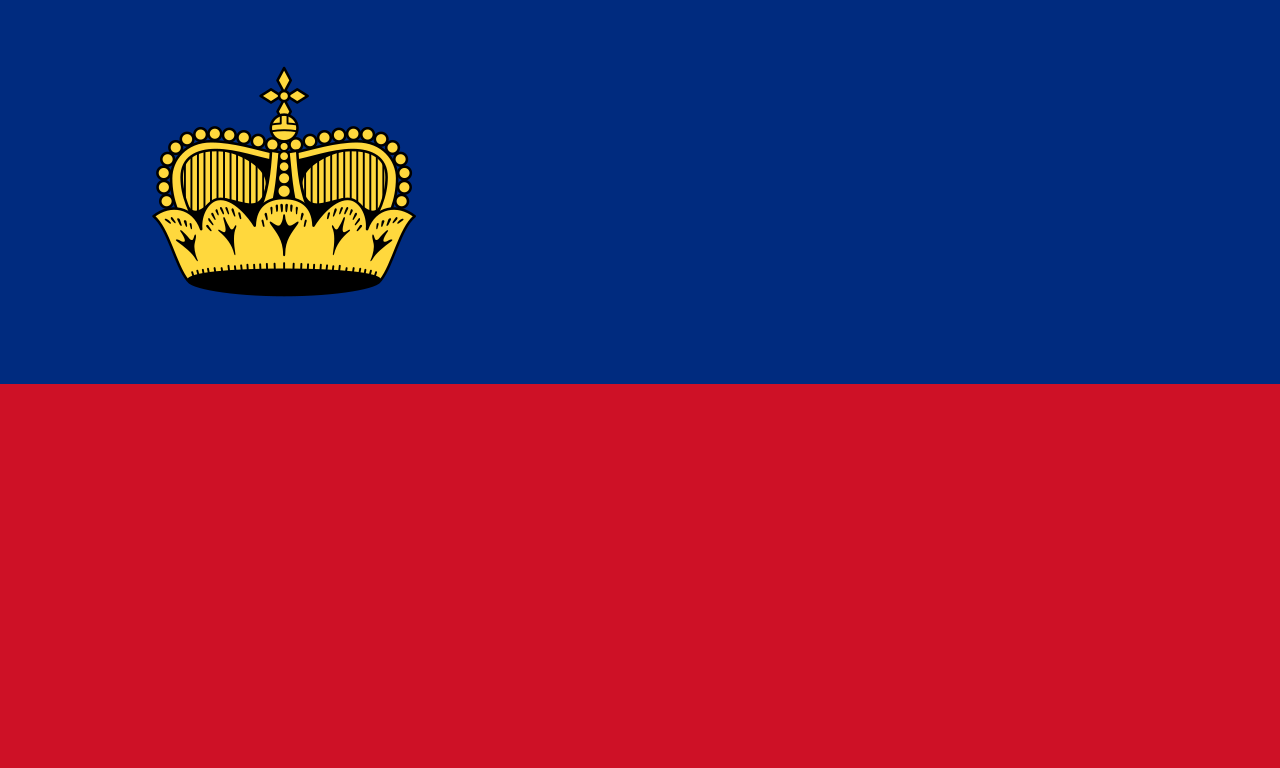
Lithuania
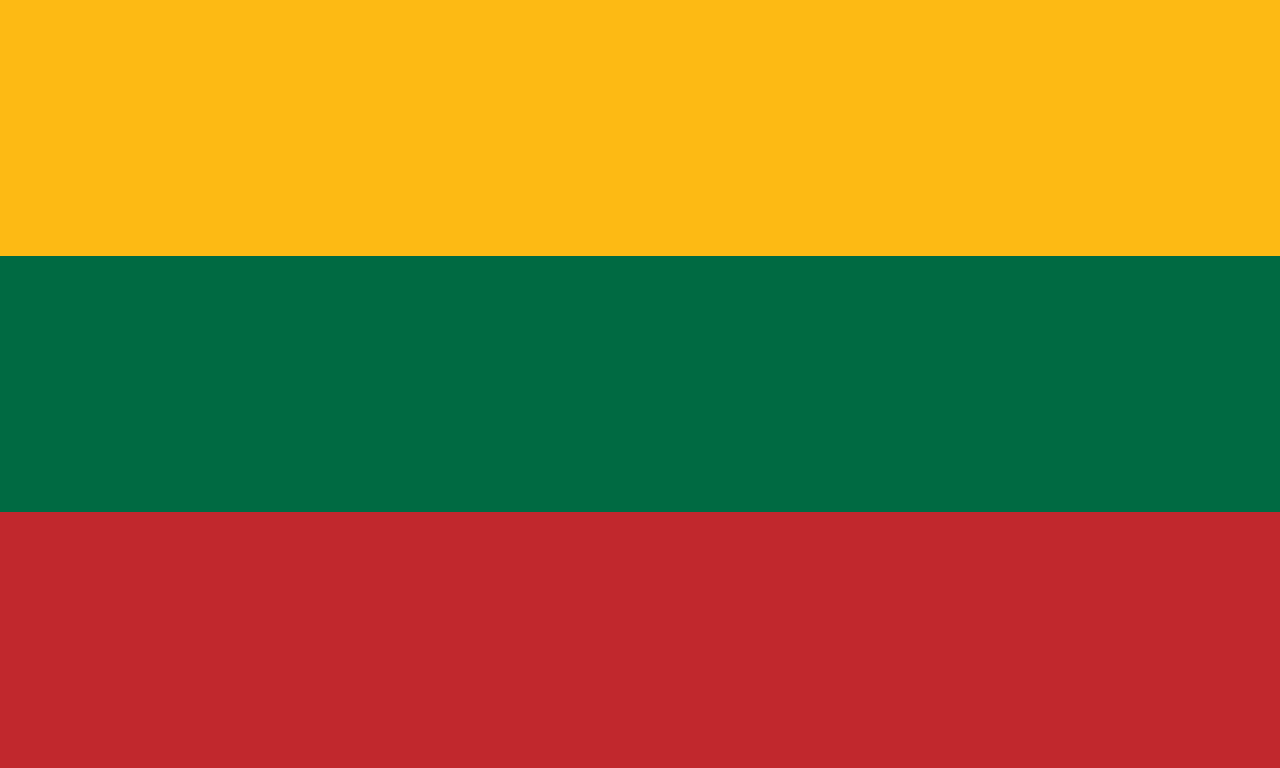
Luxemburg
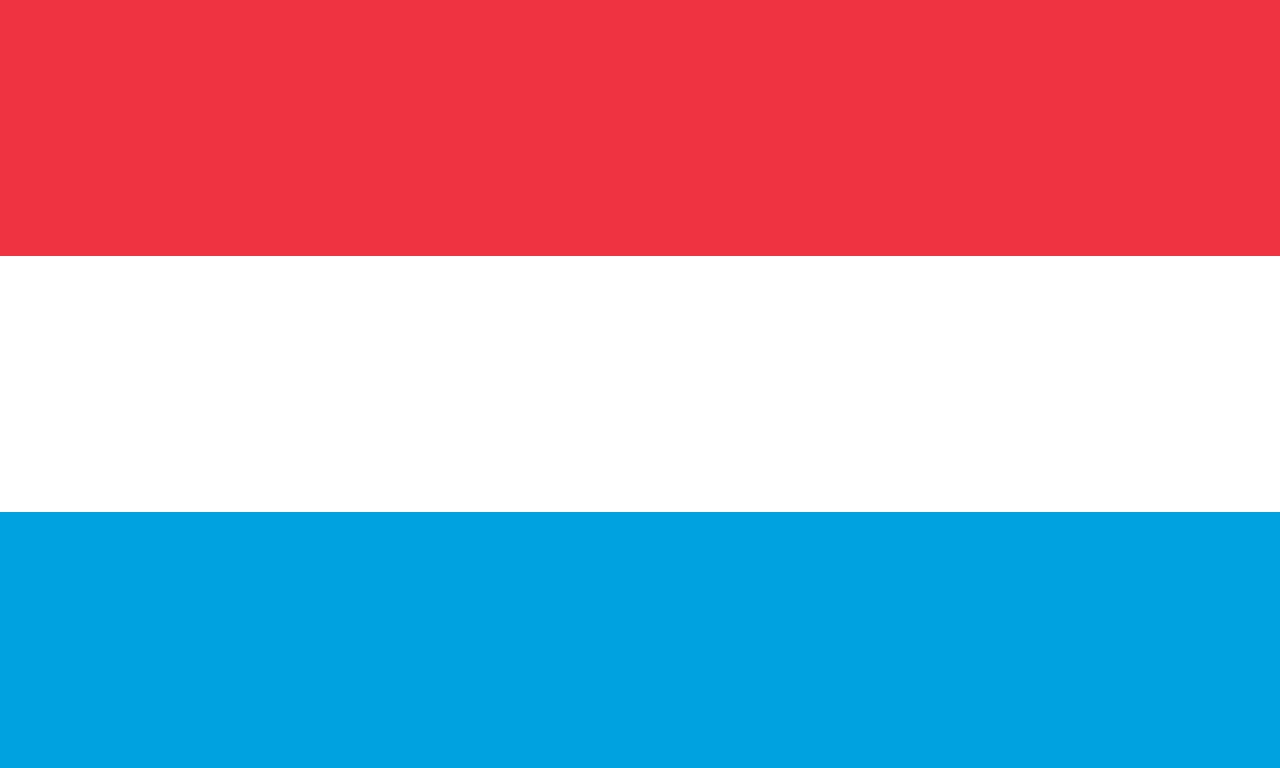
Madagascar
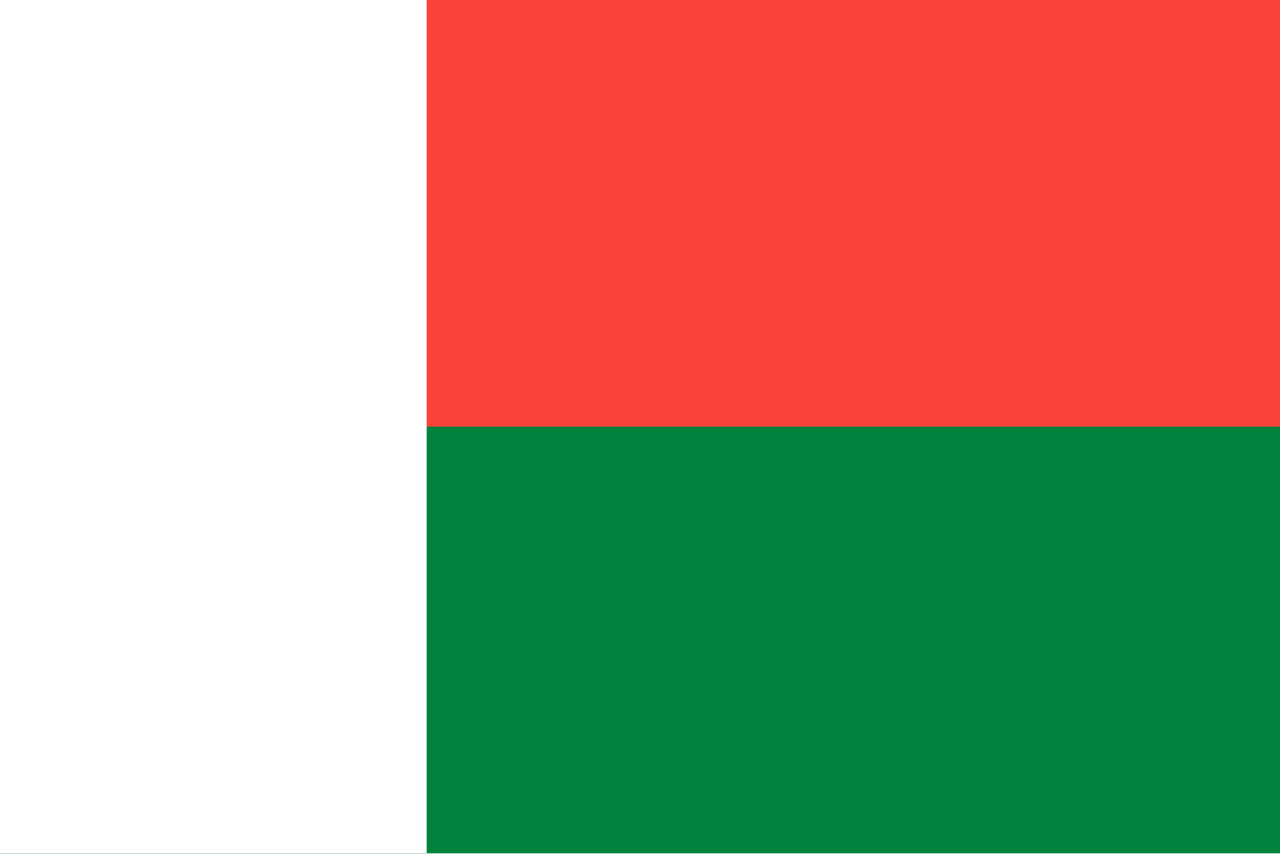
Malawi
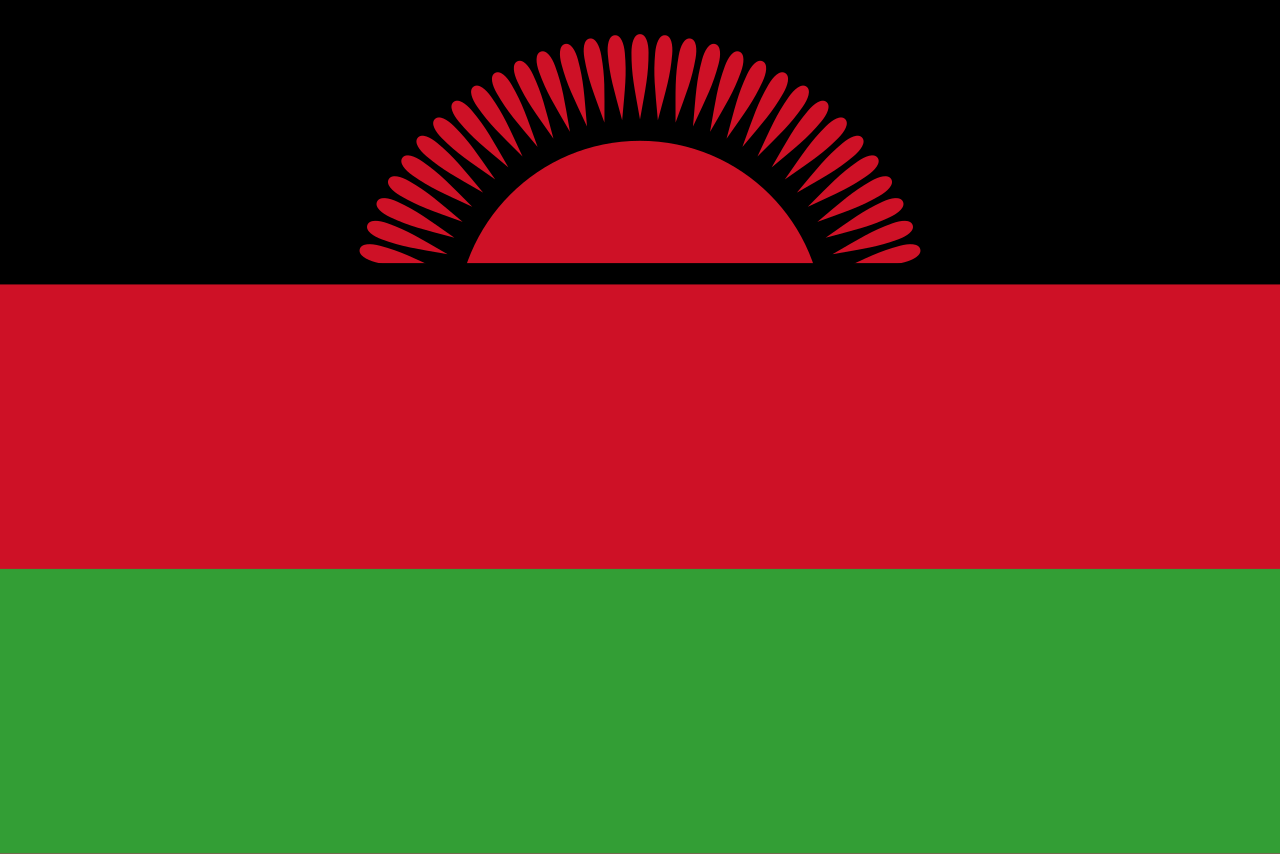
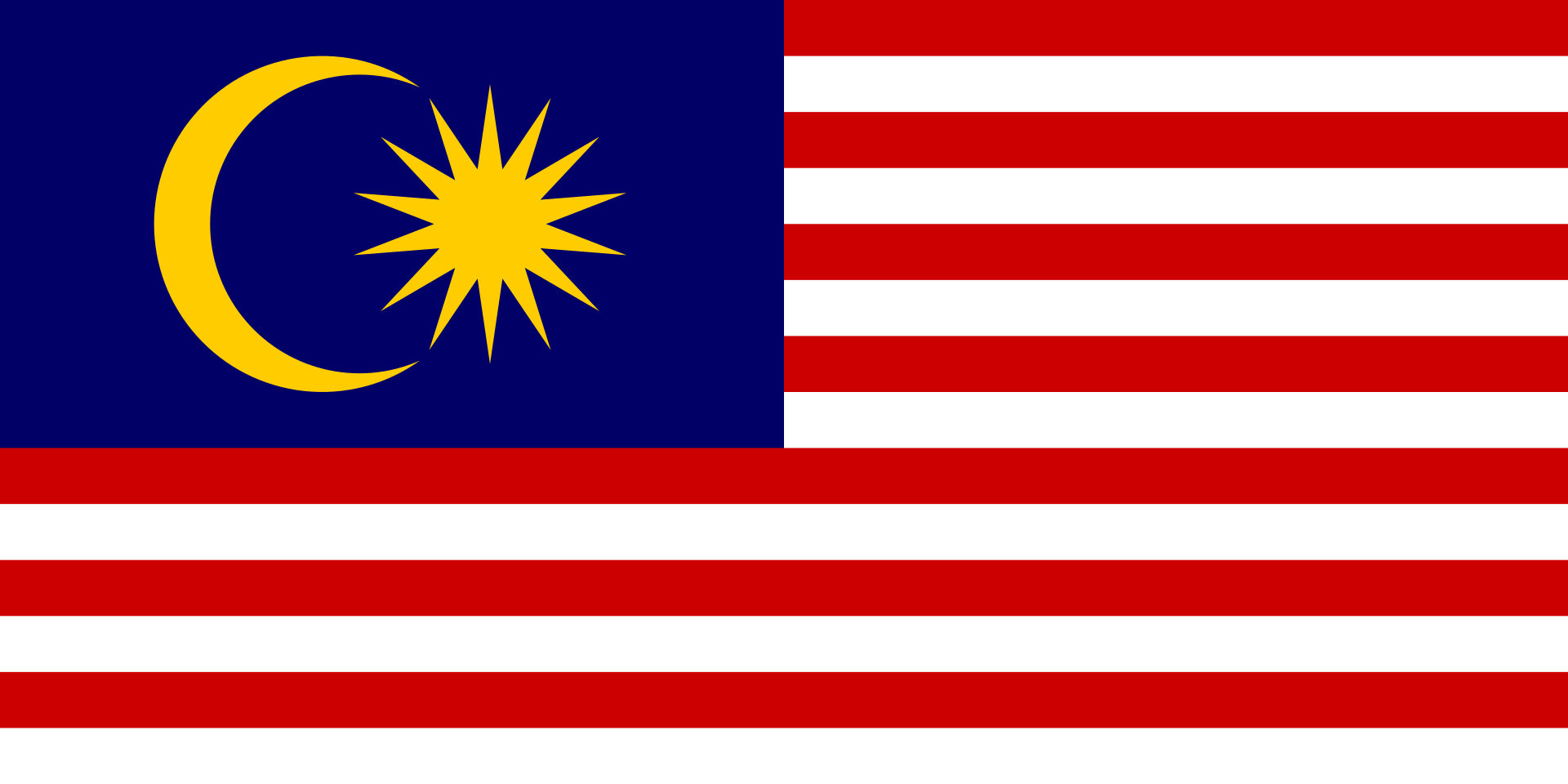
Malaysia
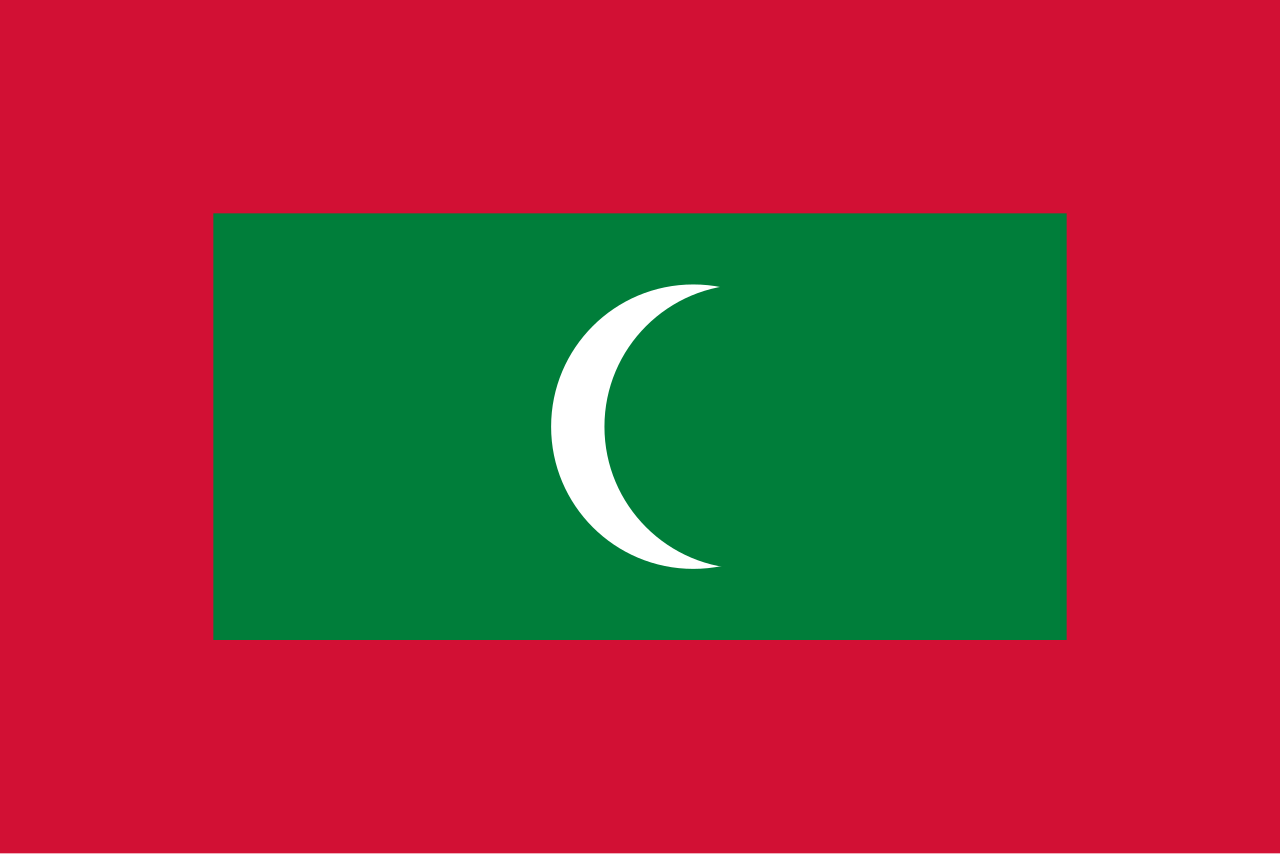
Maldives
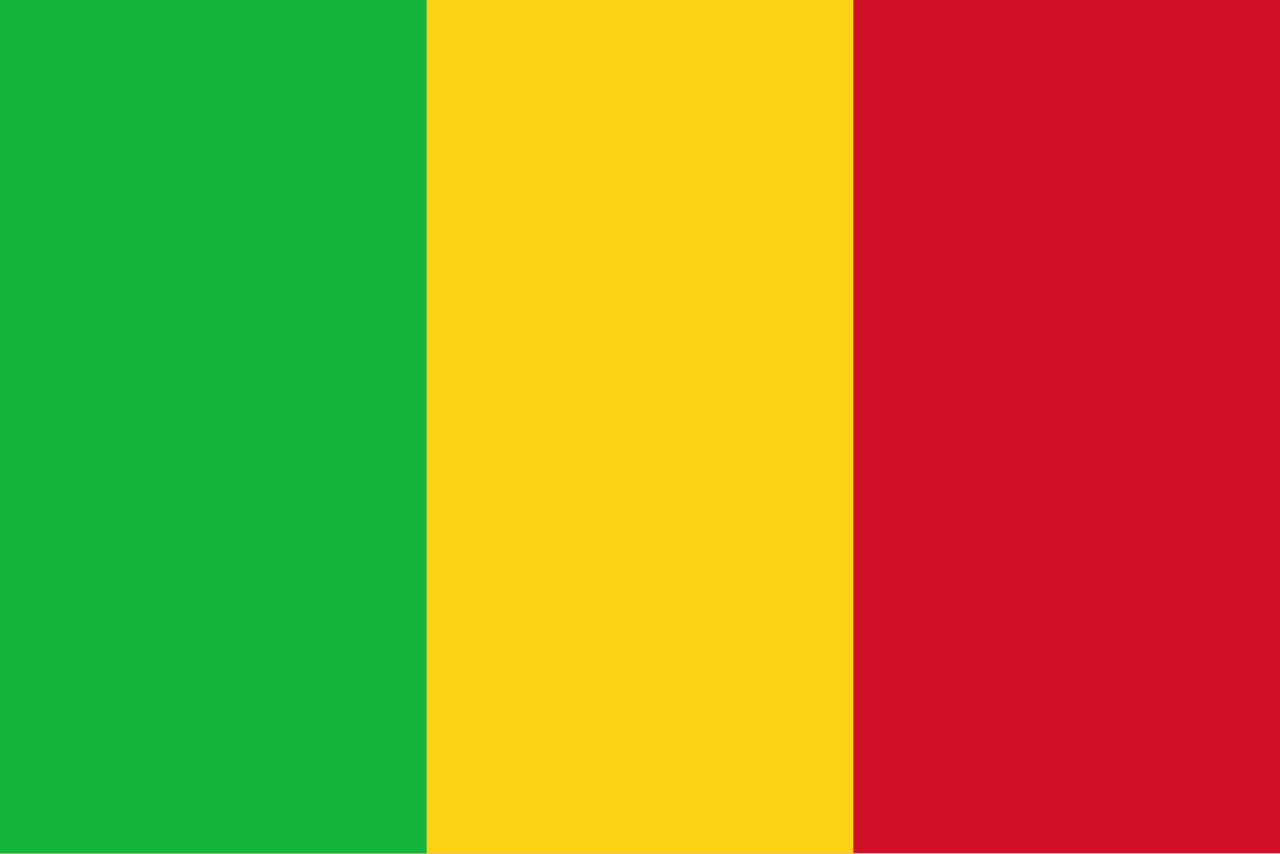
Mali
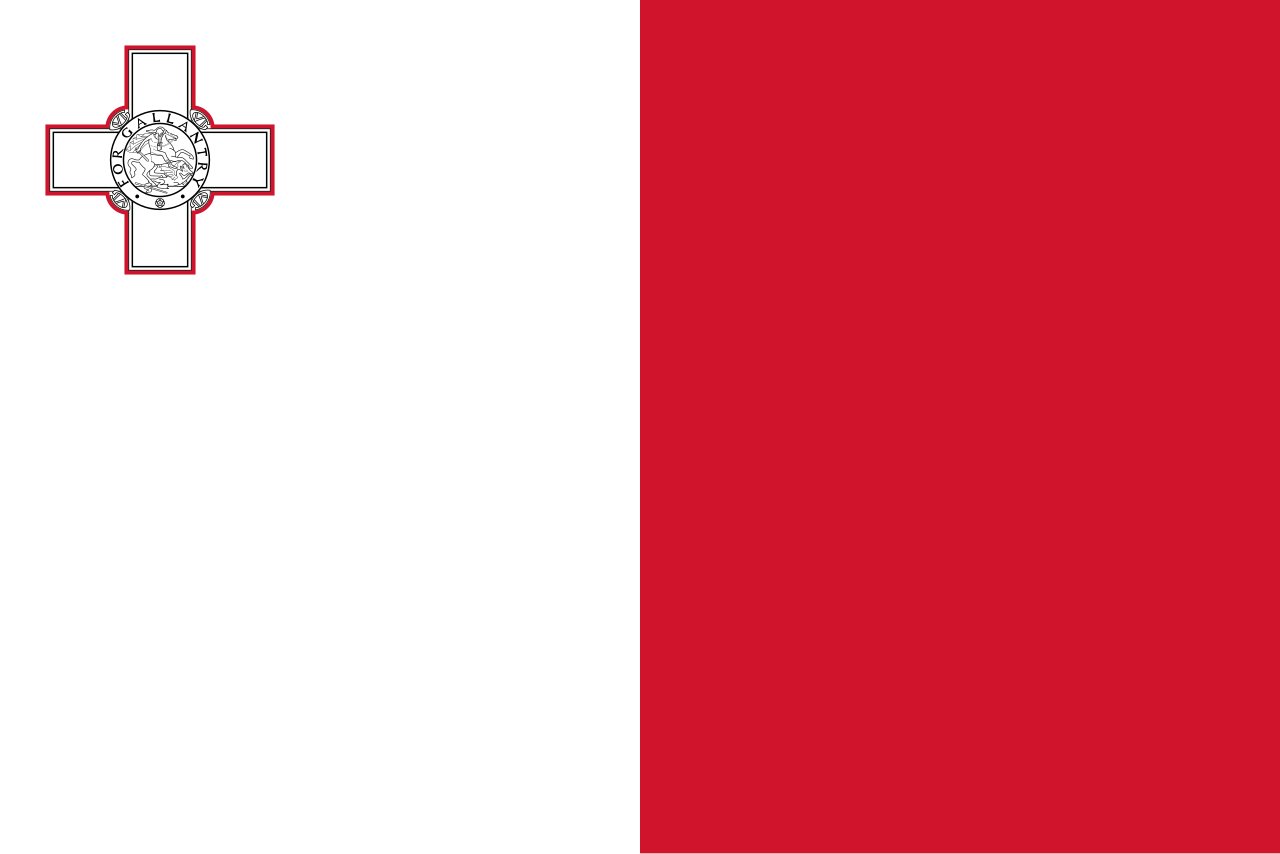
Malta
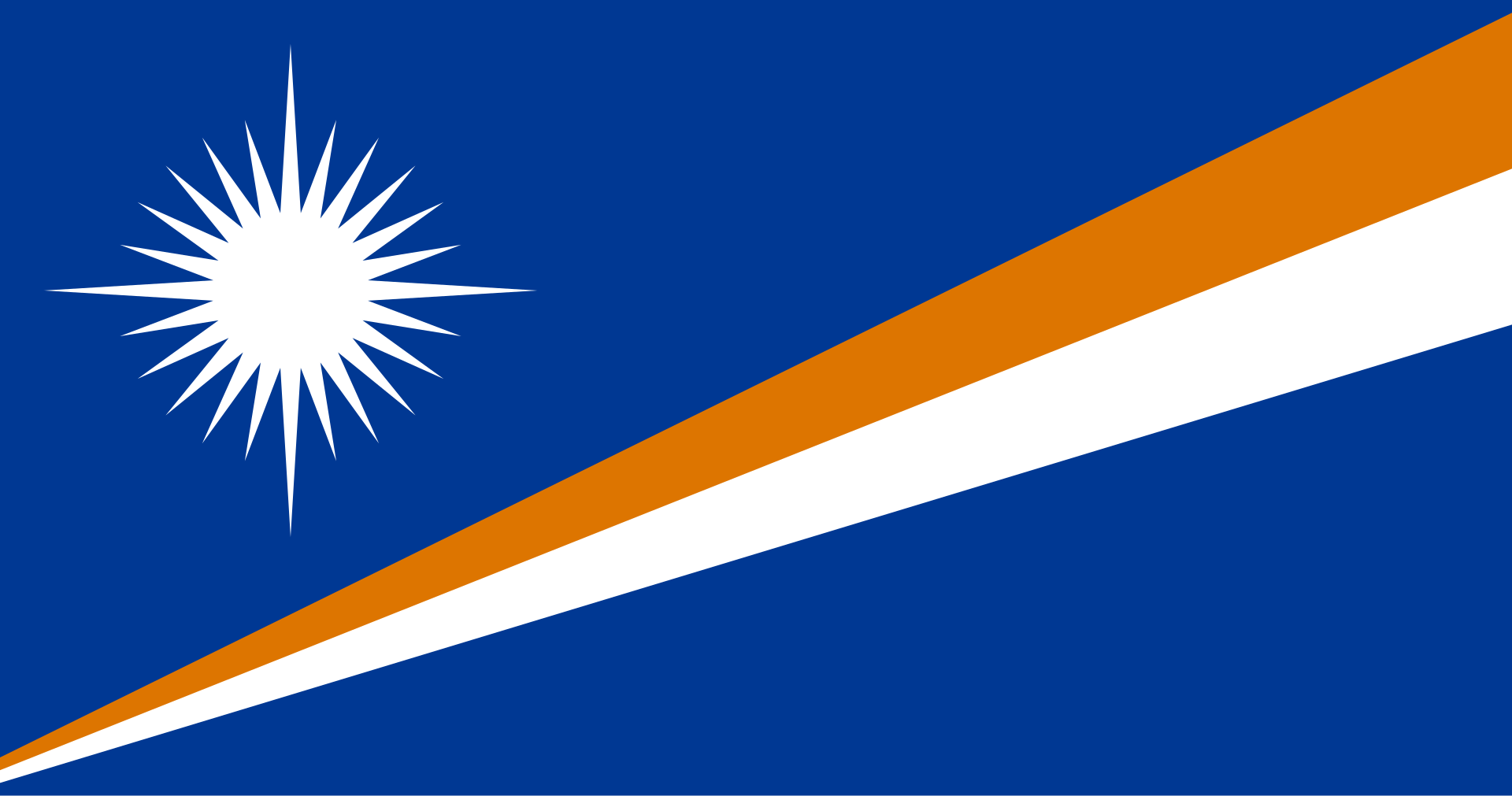
Marshall Islands
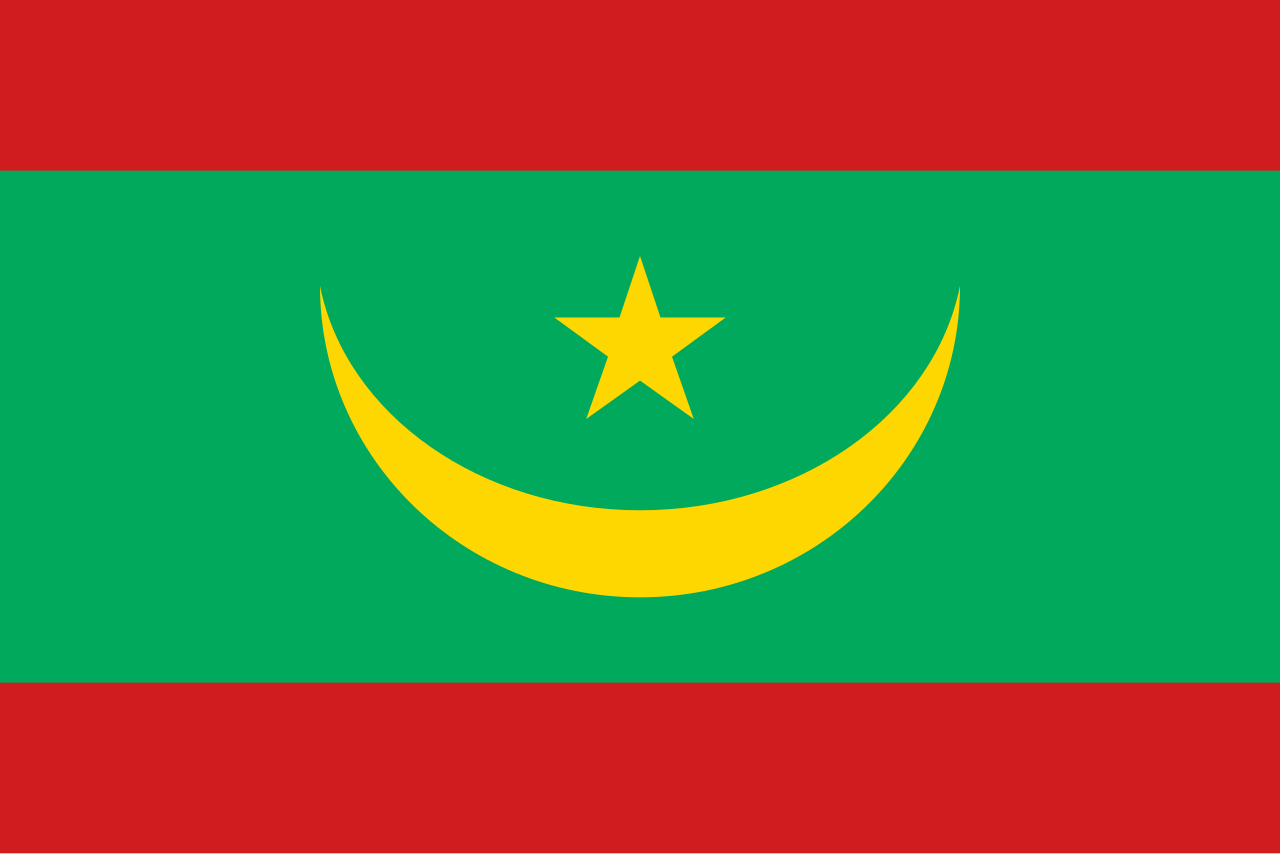
Mauritania
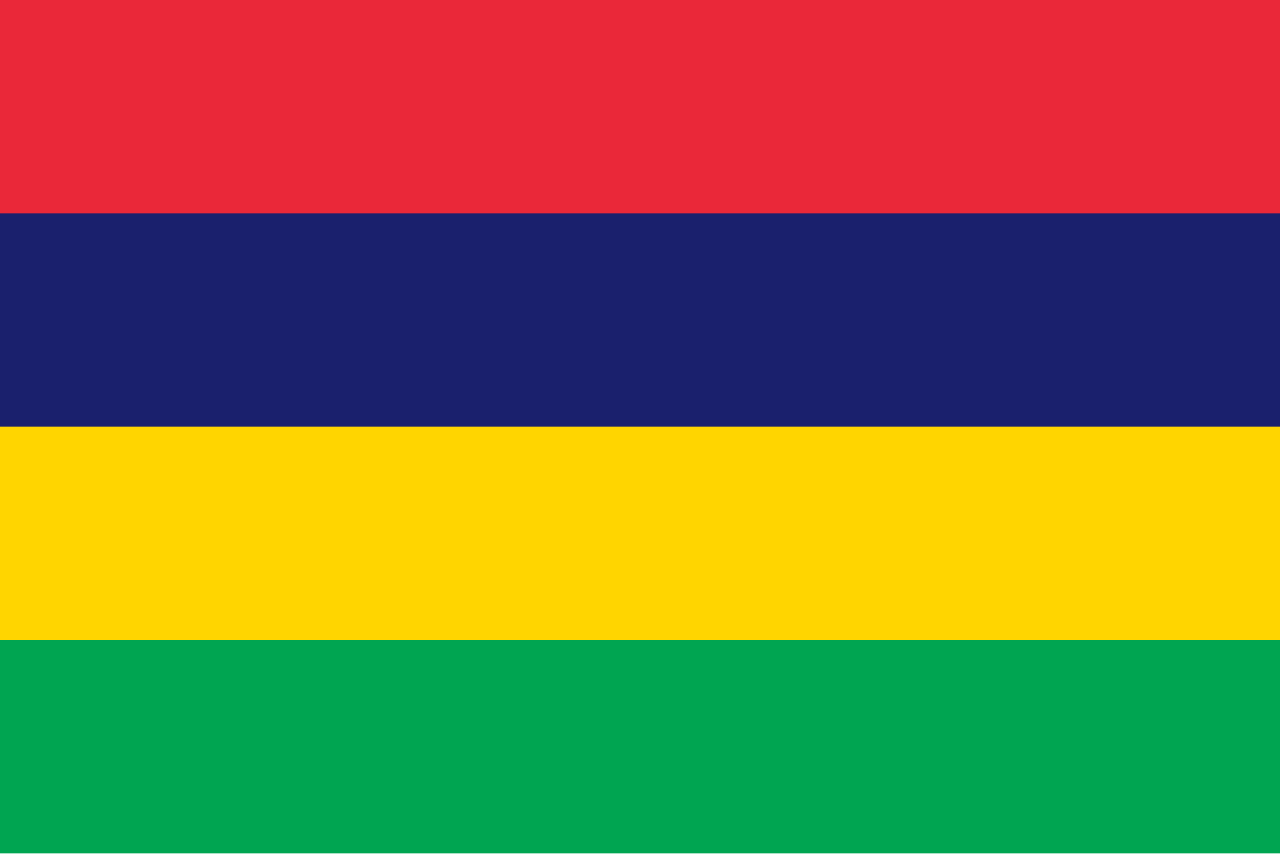
Mauritius
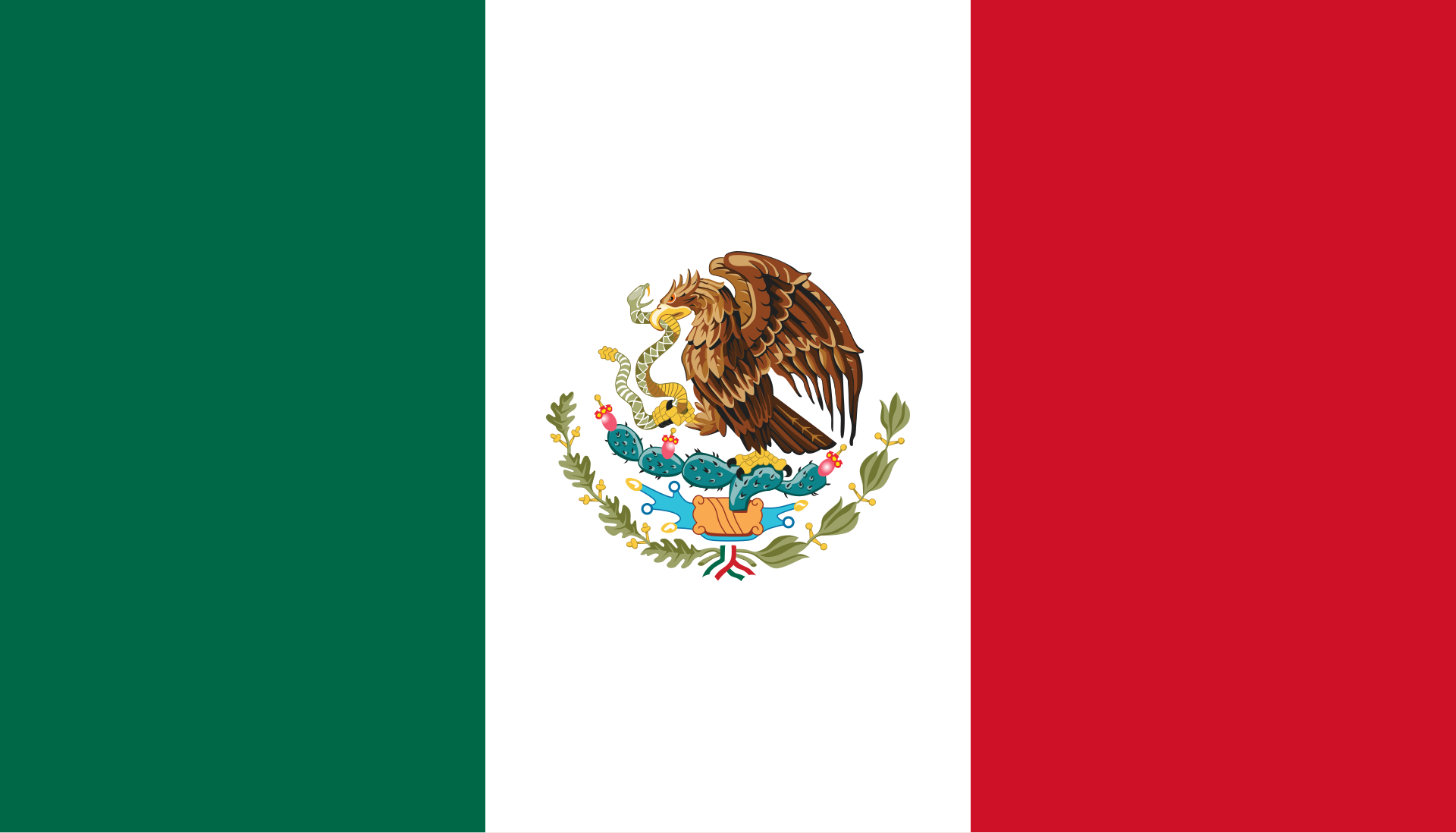
Mexico
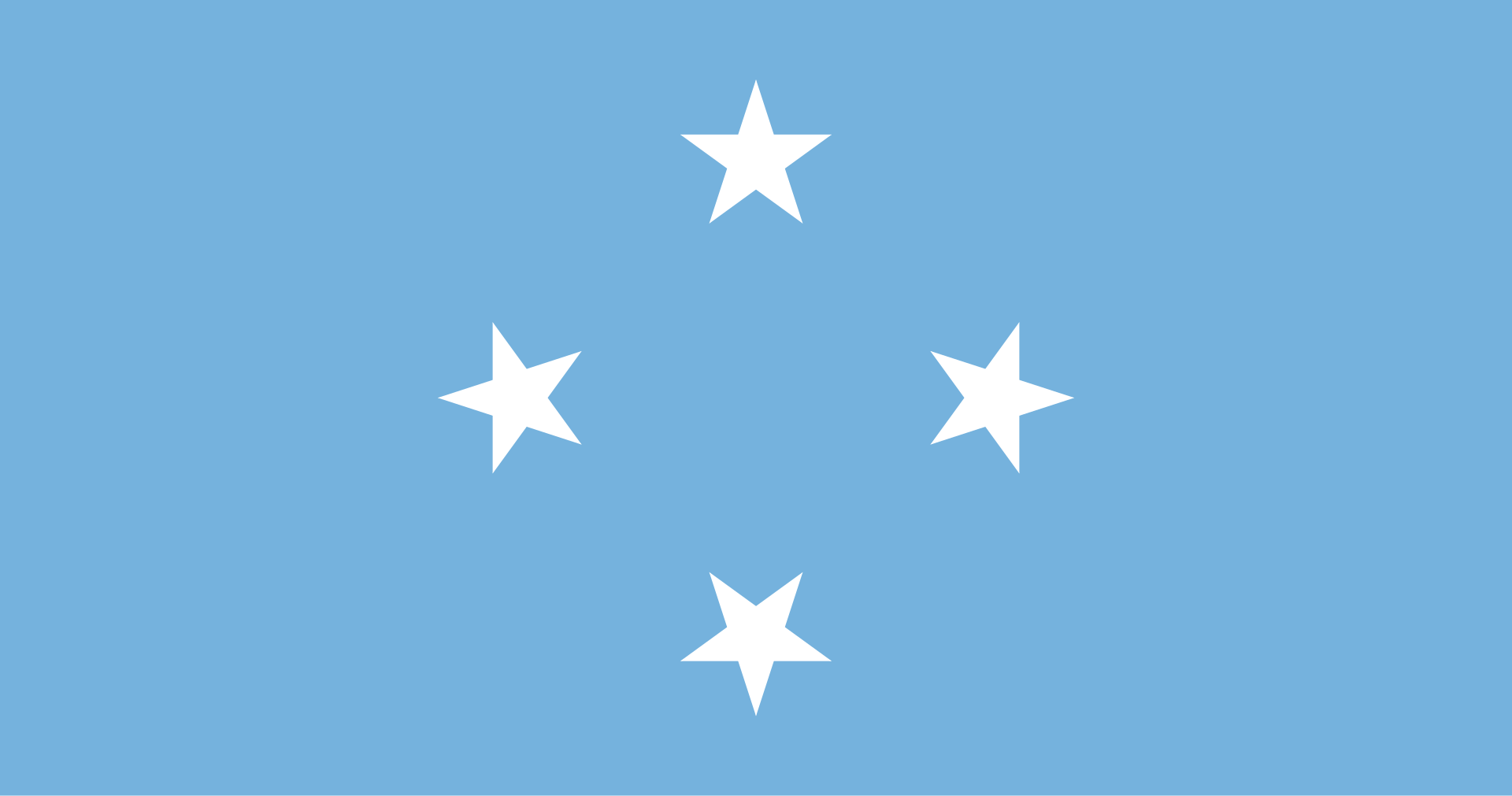
Micronesia
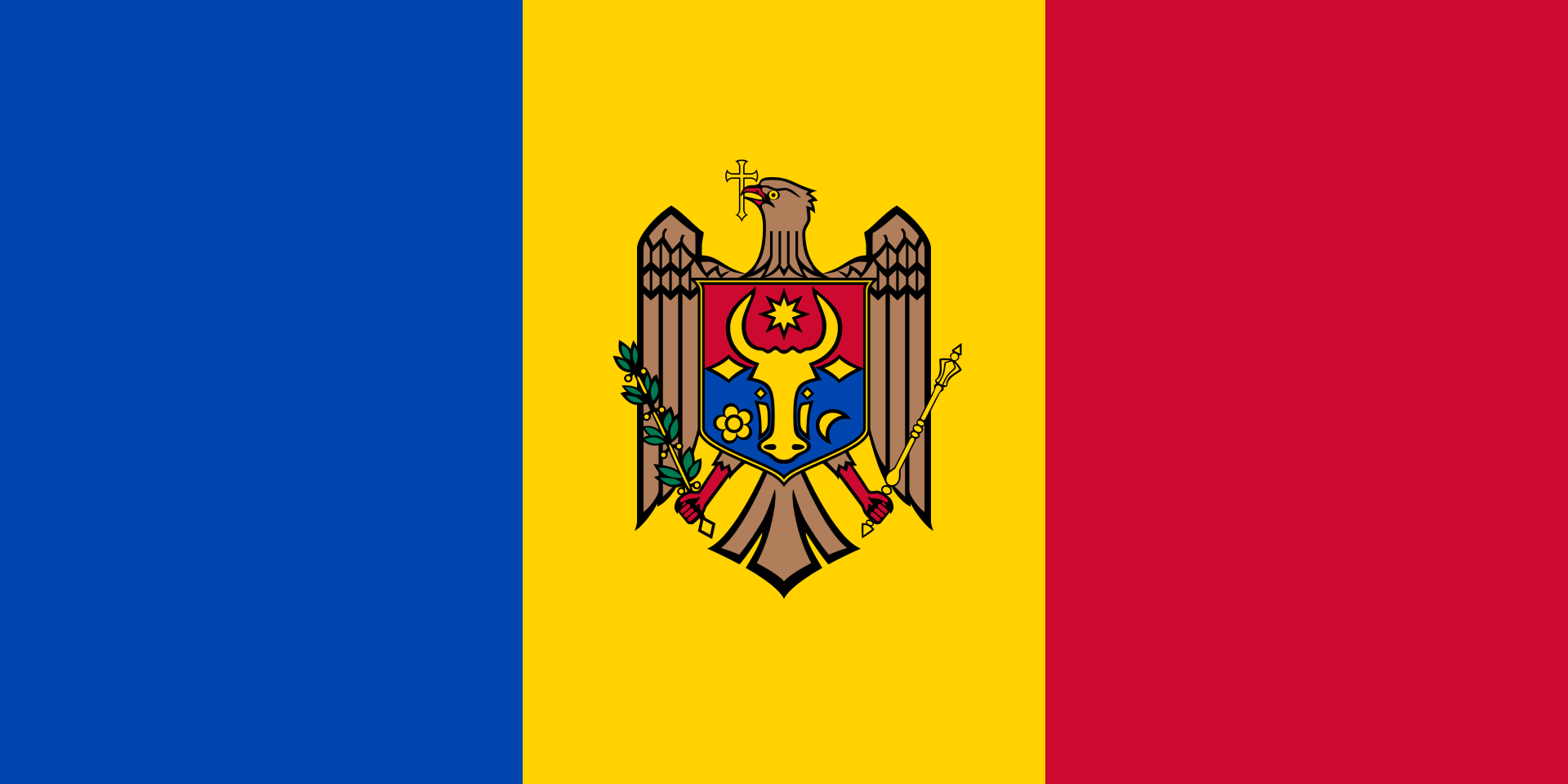
Moldova
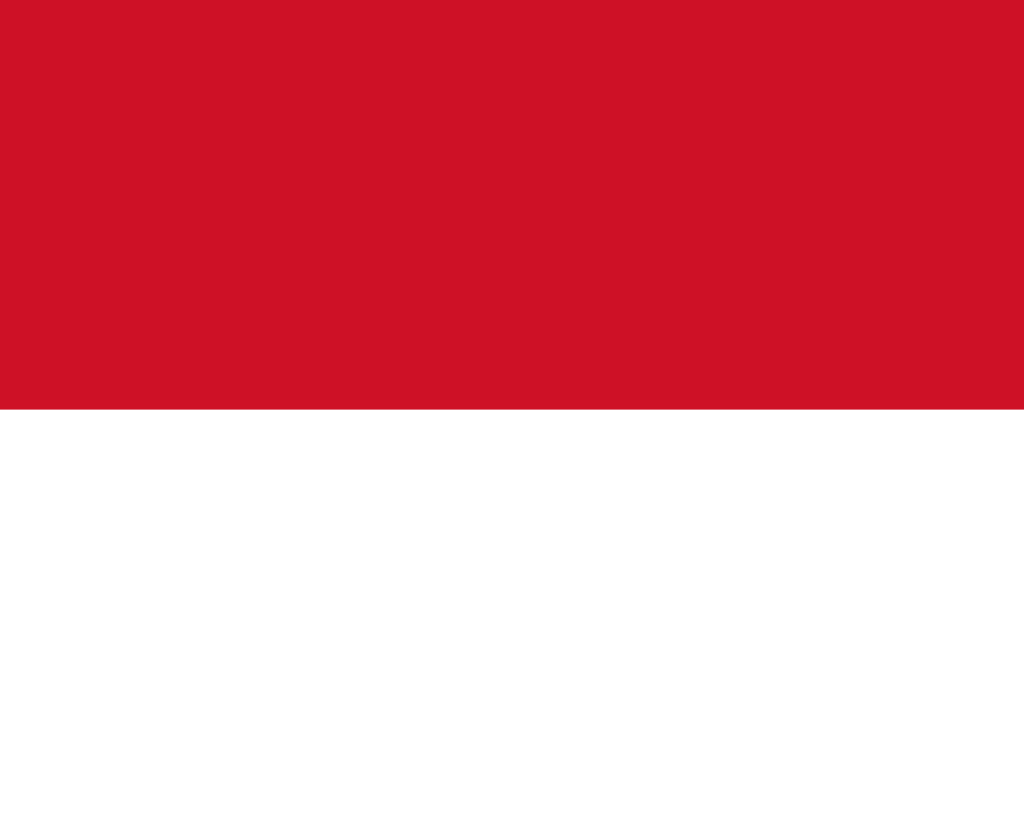
Monaco
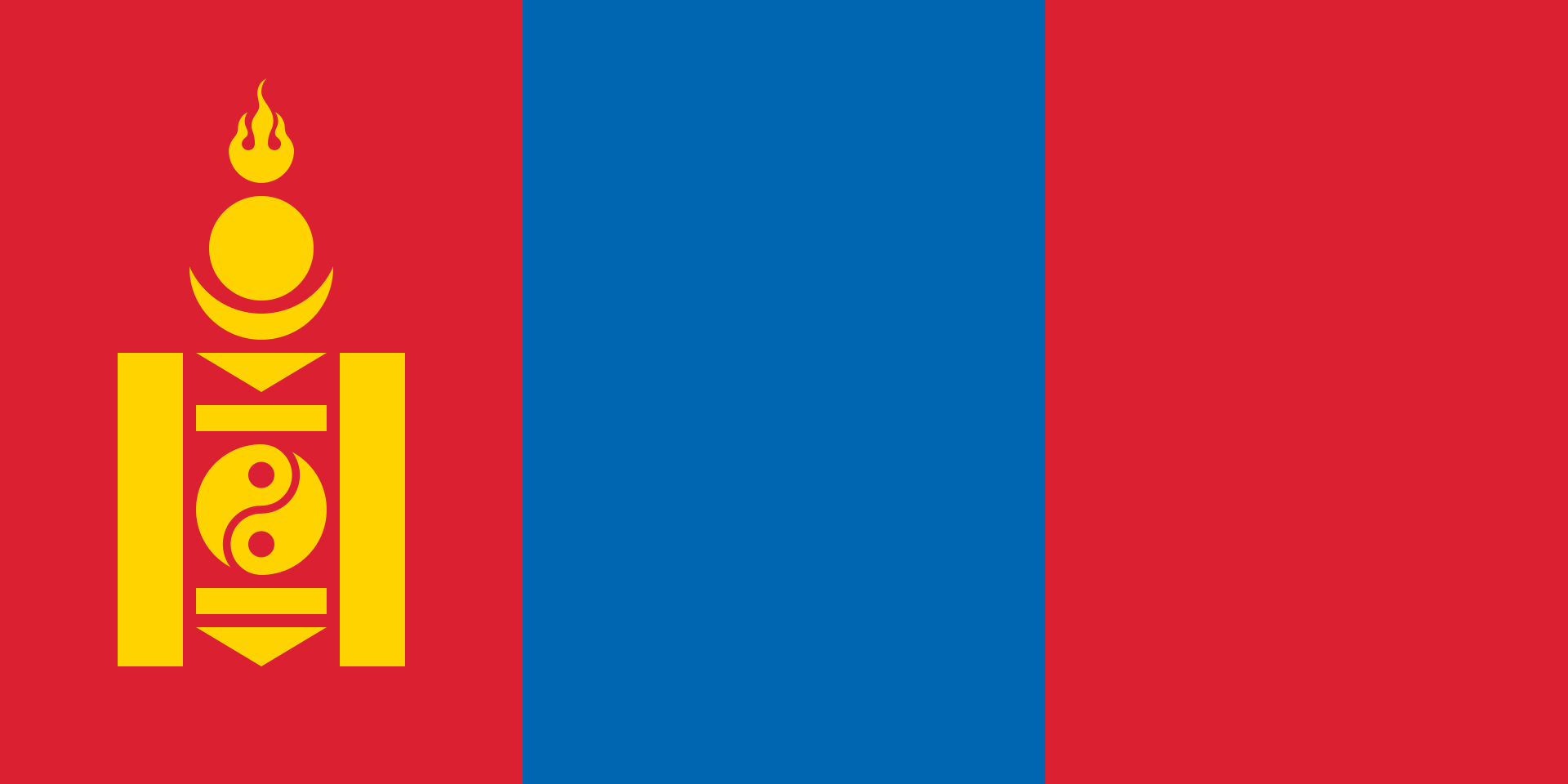
Mongolia
Montenegro
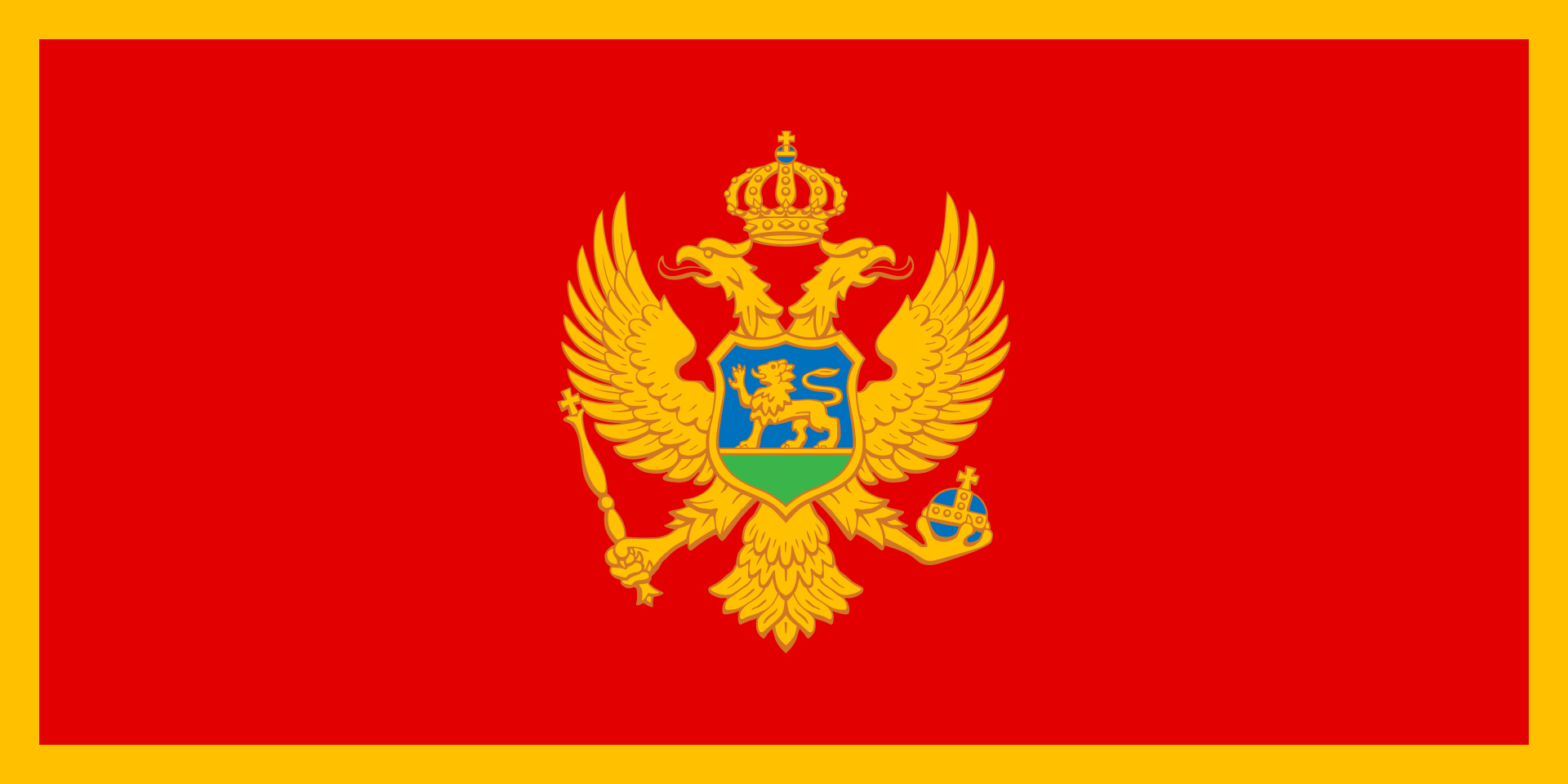
Morocco
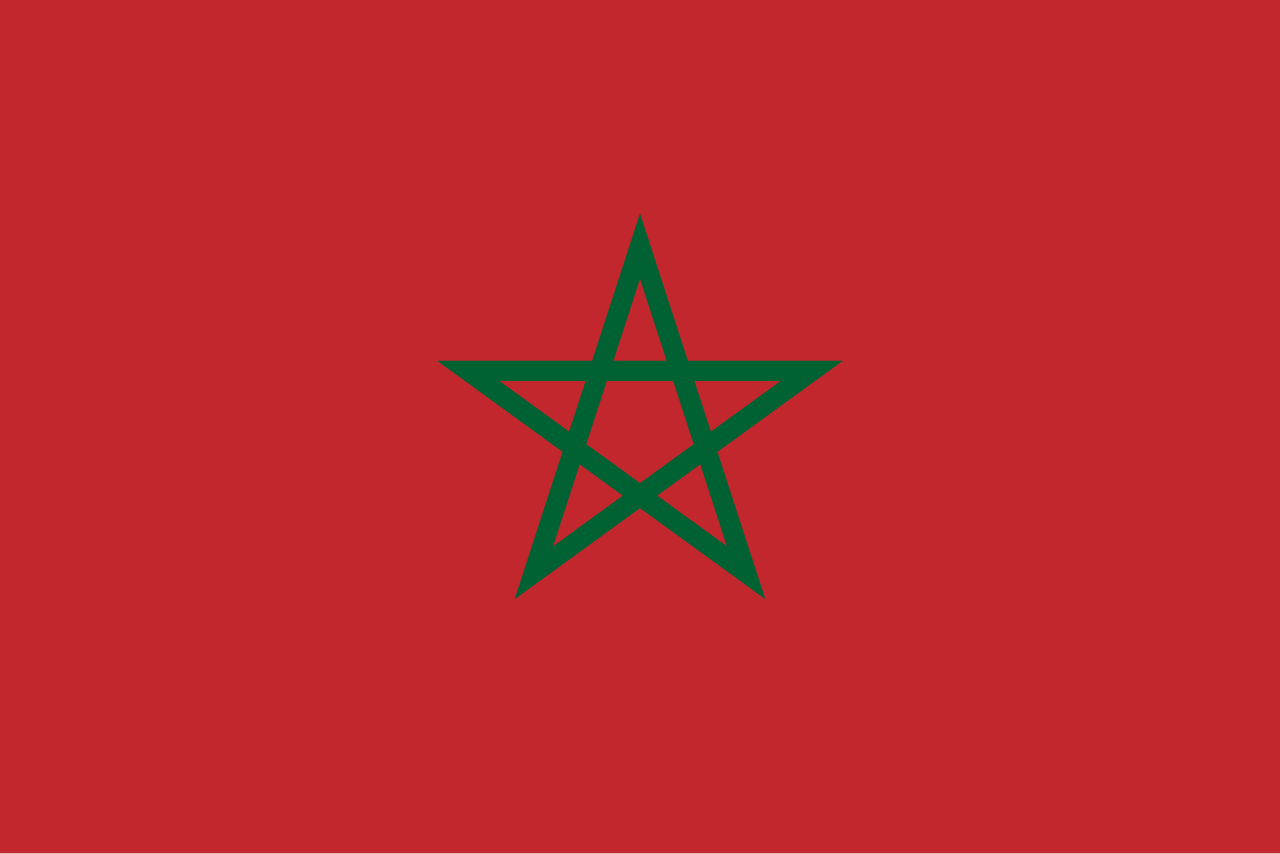
Mozambique
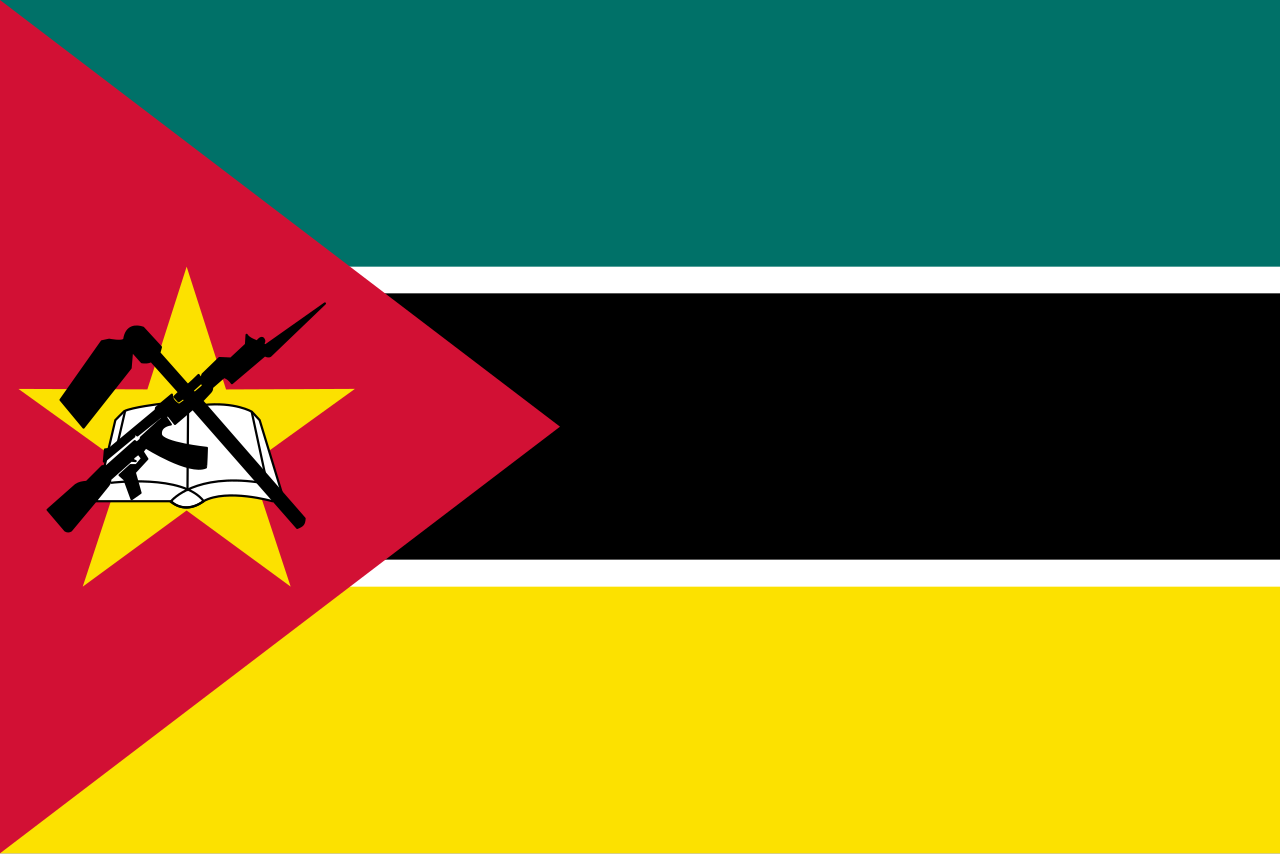
Myanmar
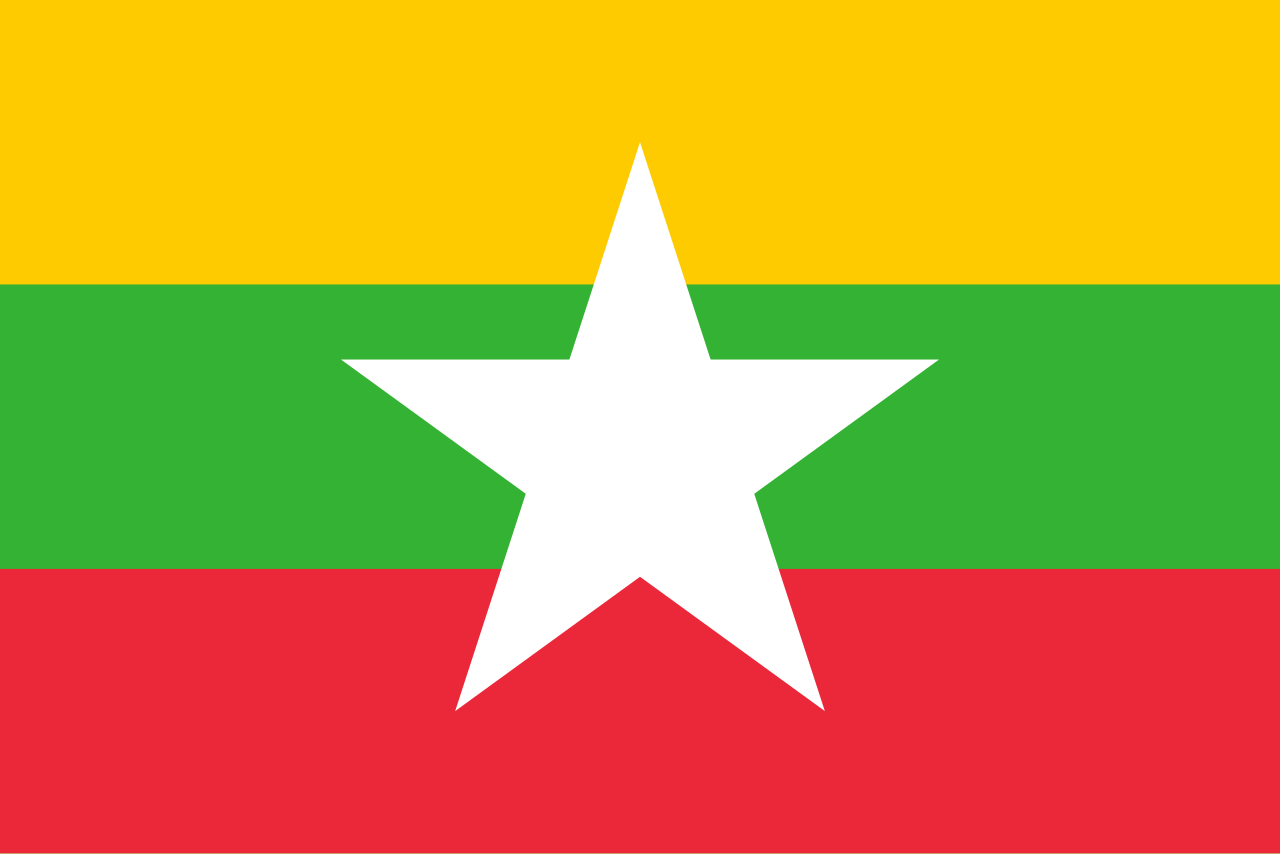
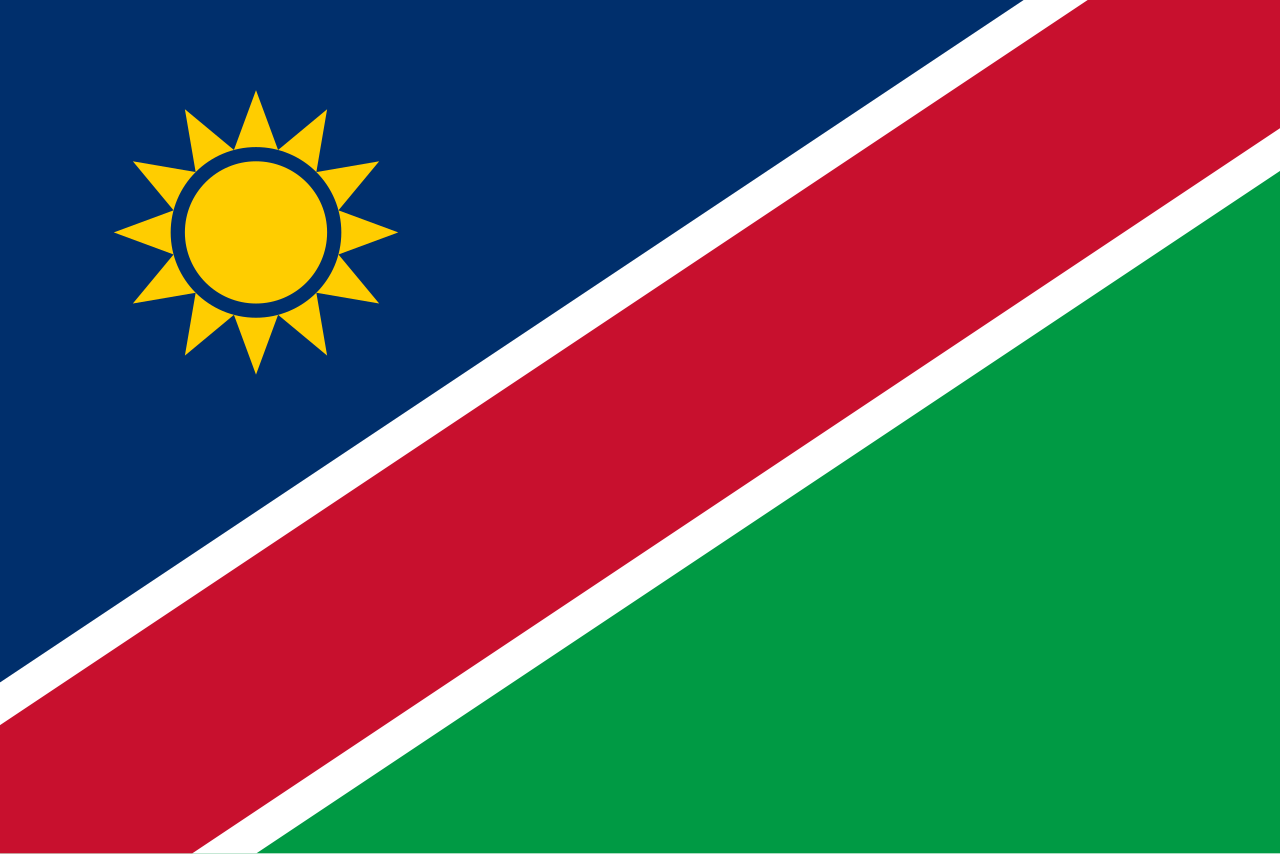
Namibia
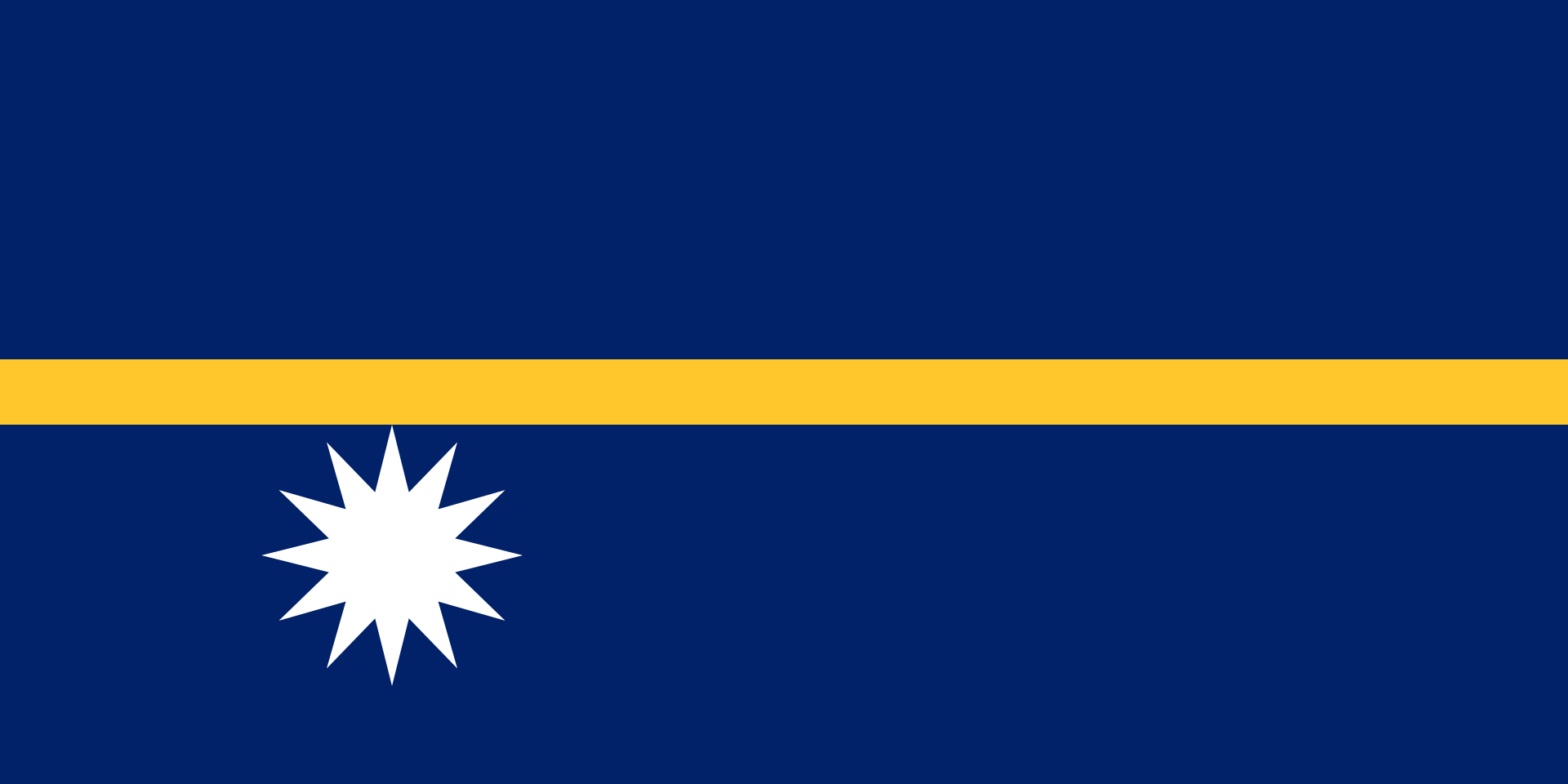
Nauru
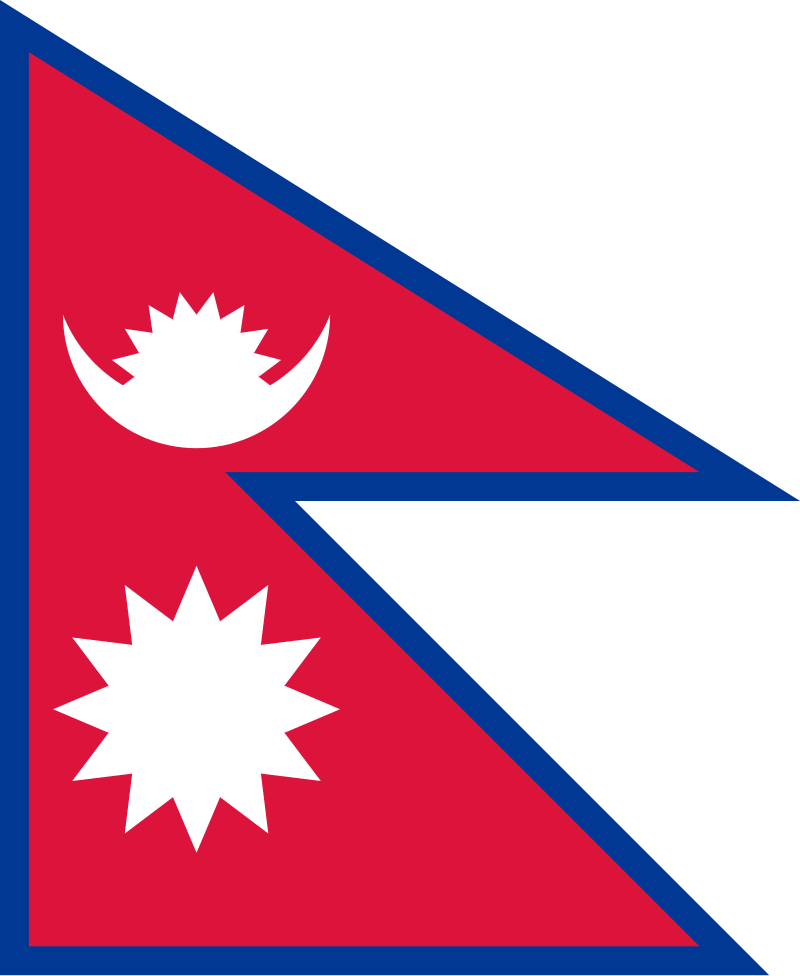
Nepal
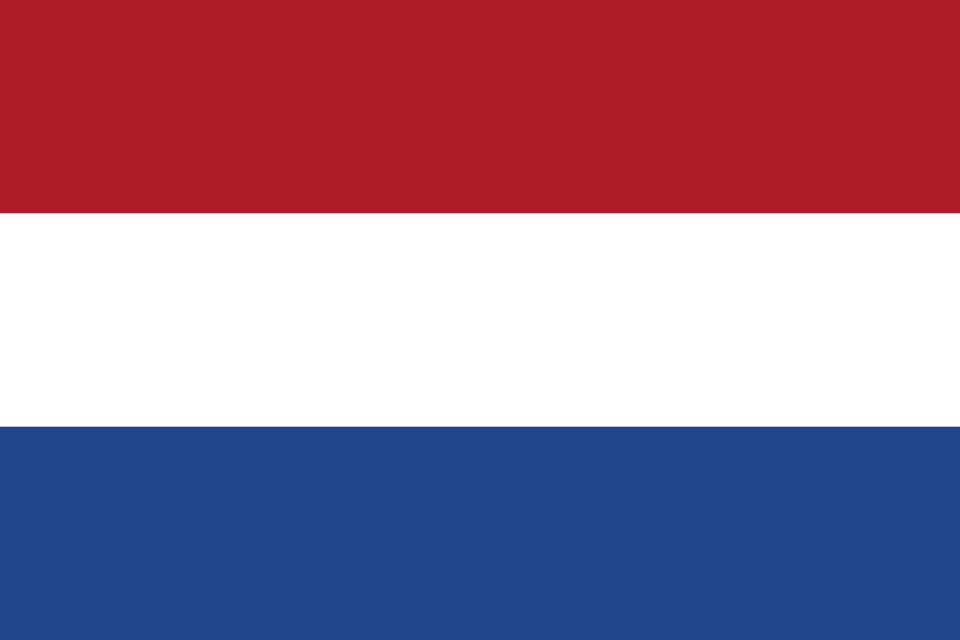
Netherlands
New Zealand
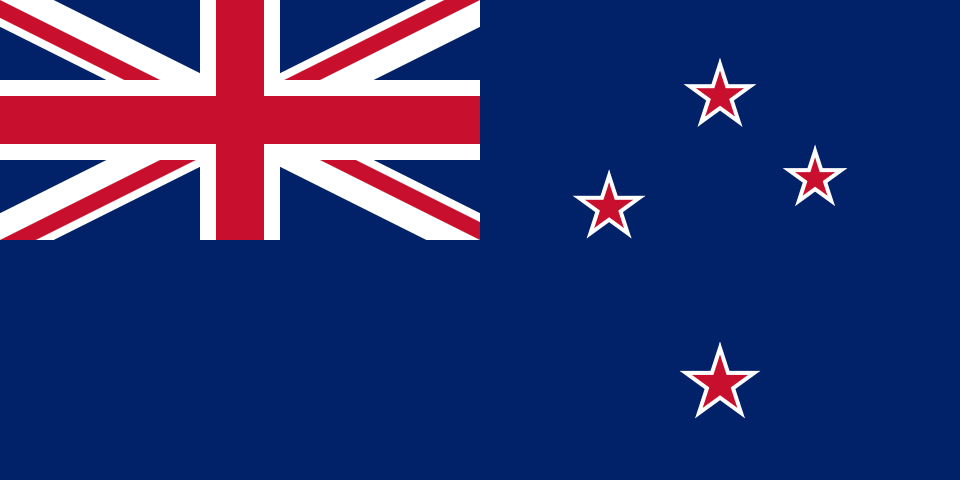
Nicaragua
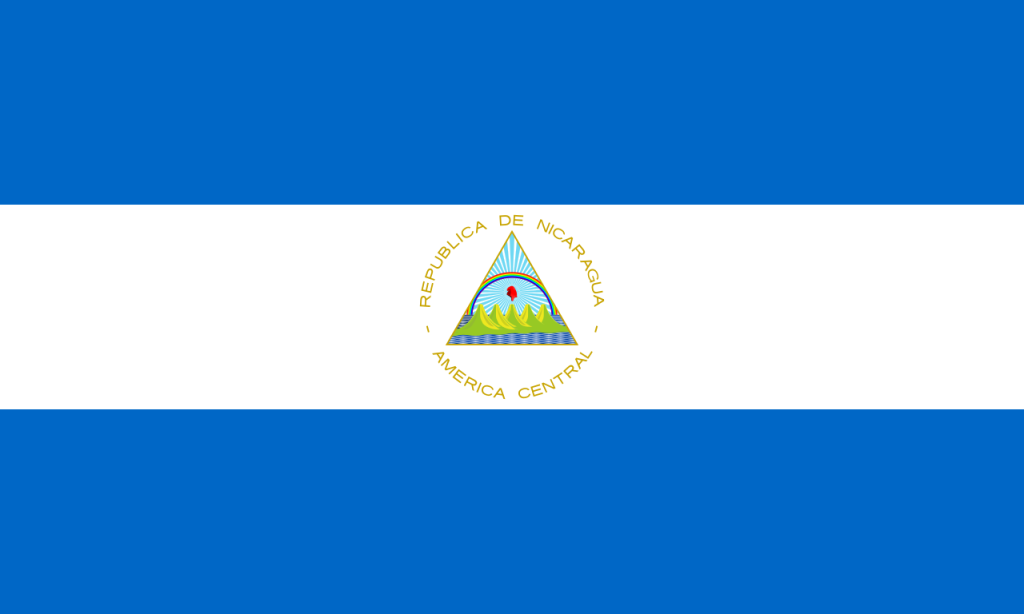
Niger

Nigeria
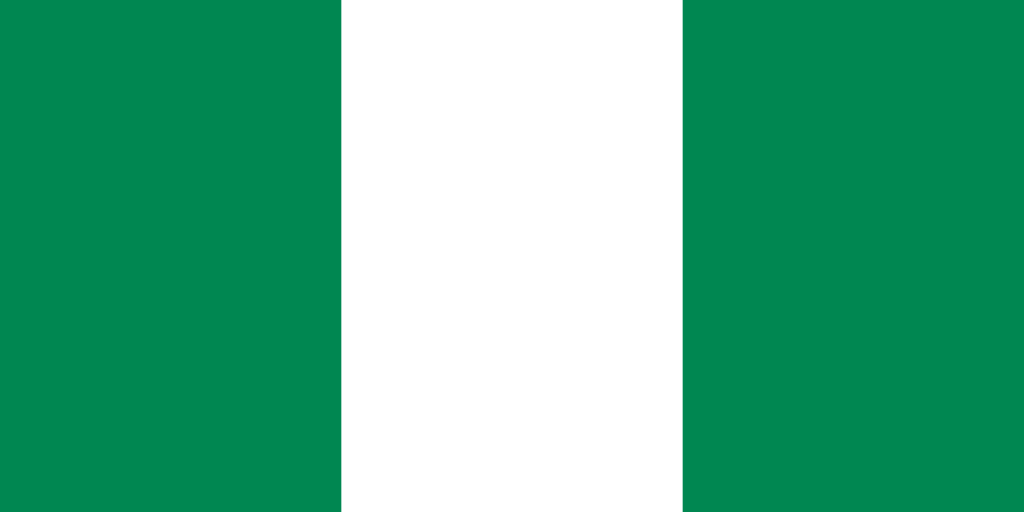
North Korea
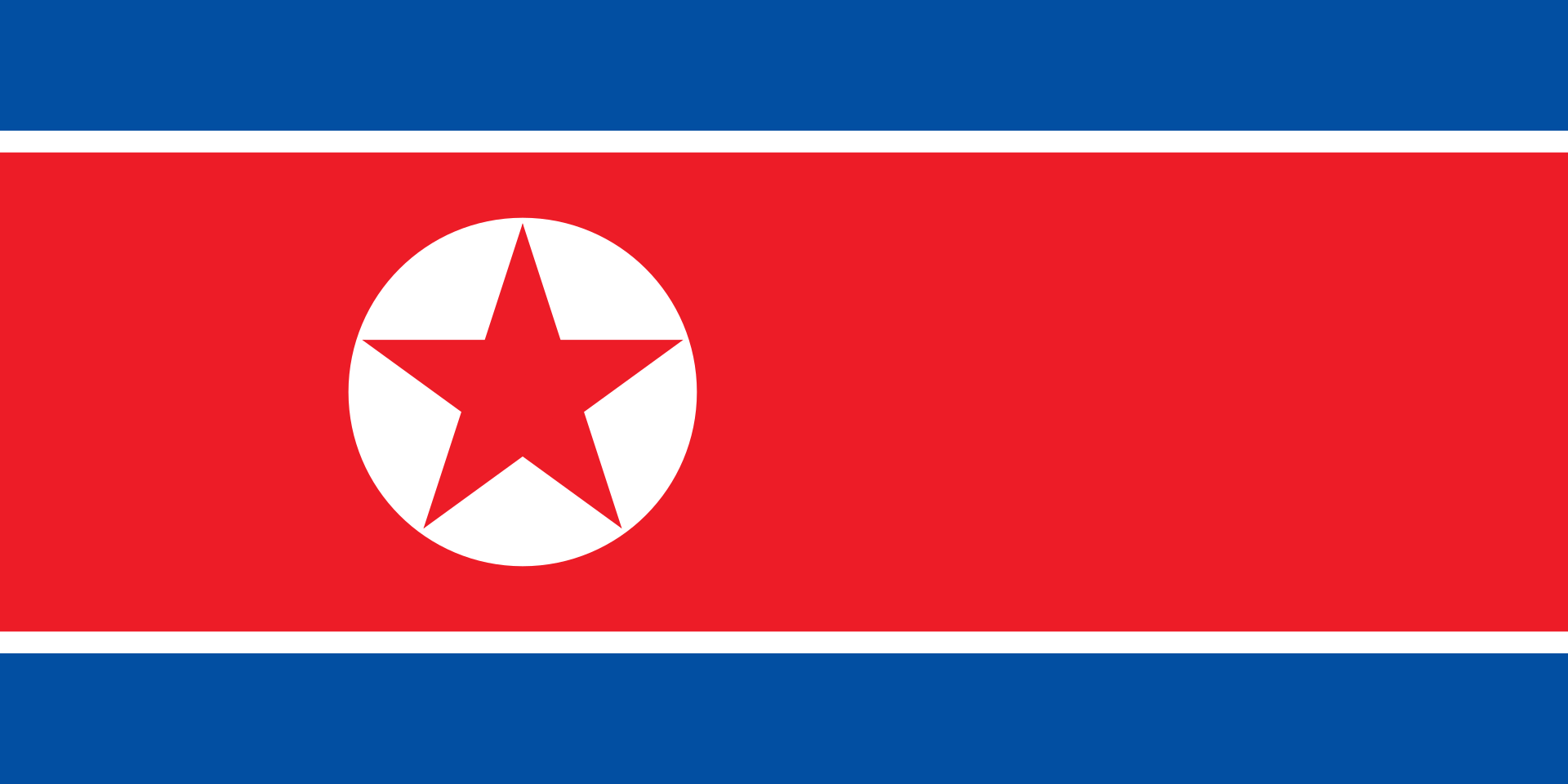
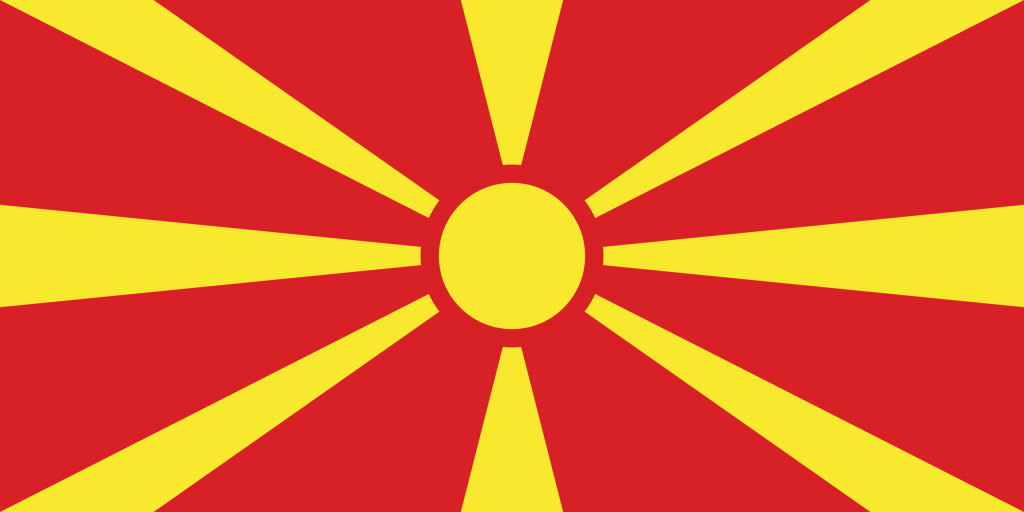
North Macedonia
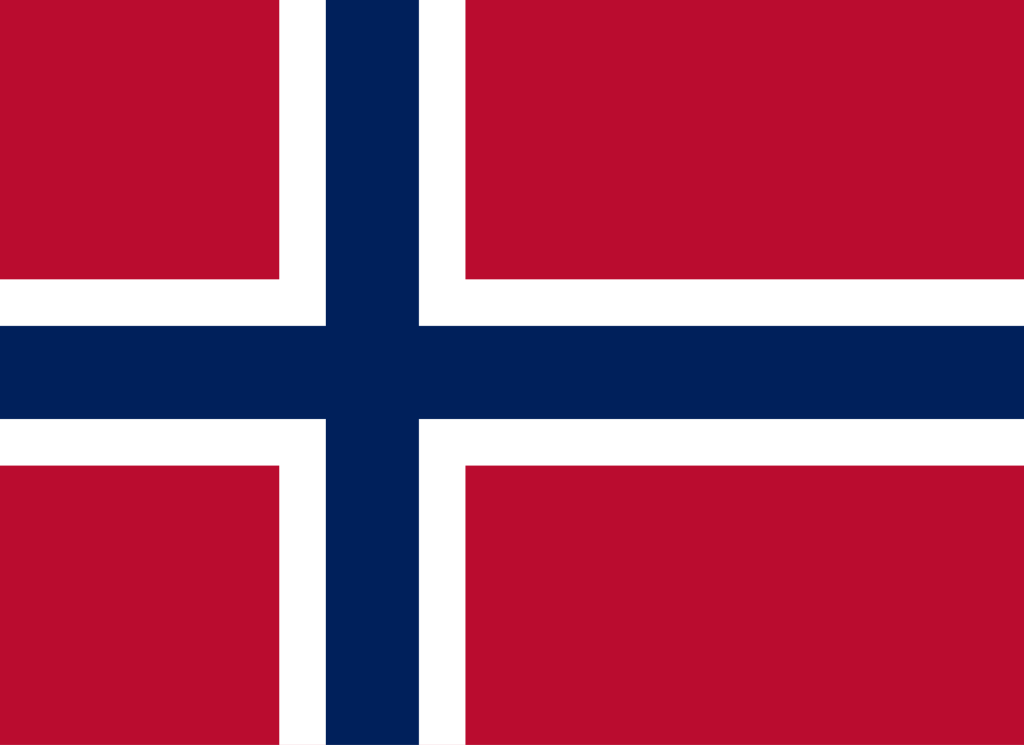
Norway
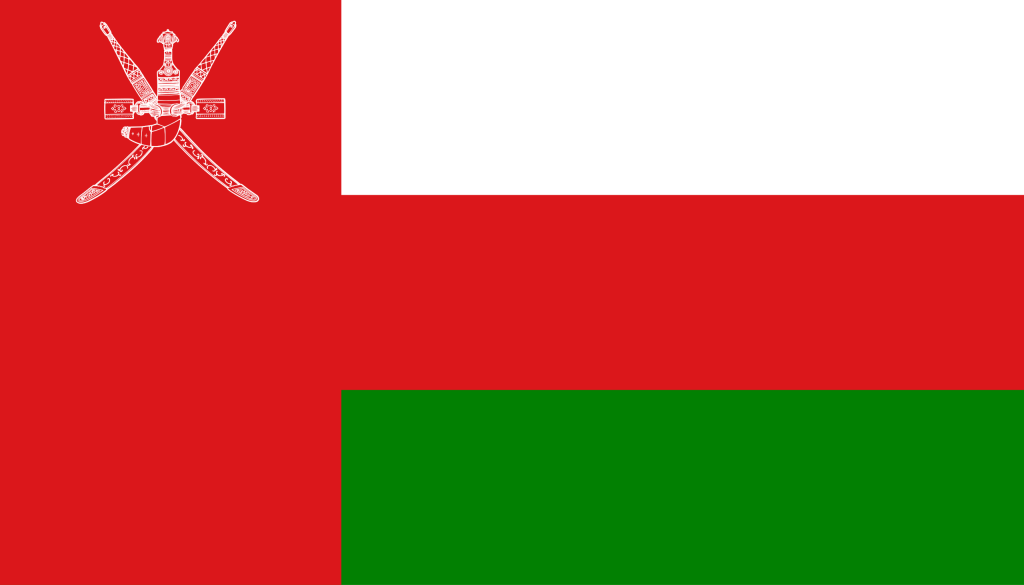
Oman
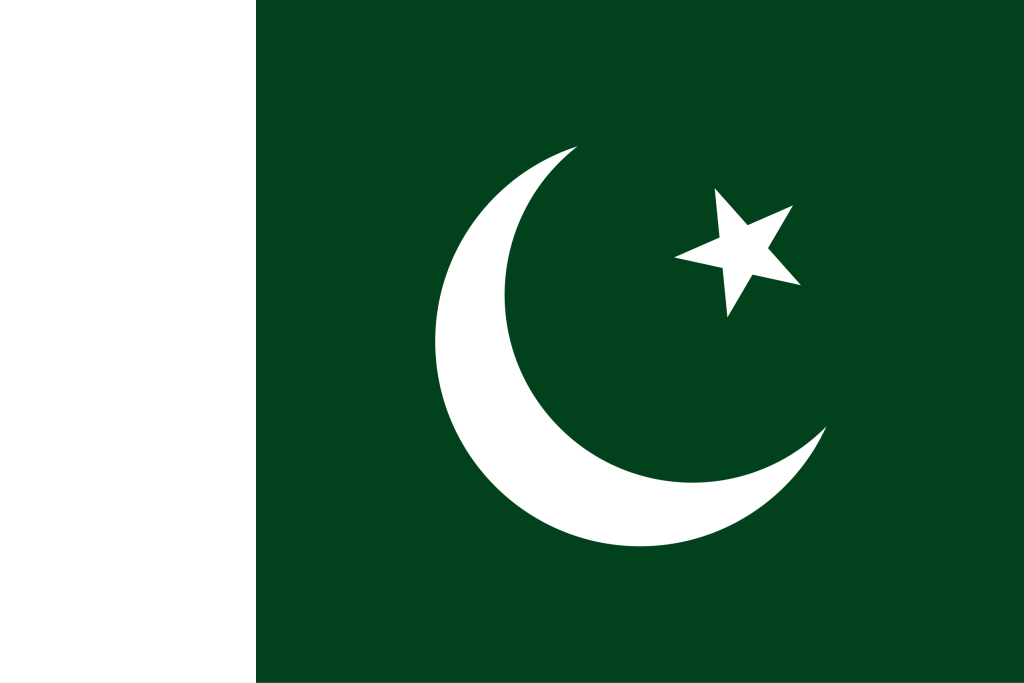
Pakistan
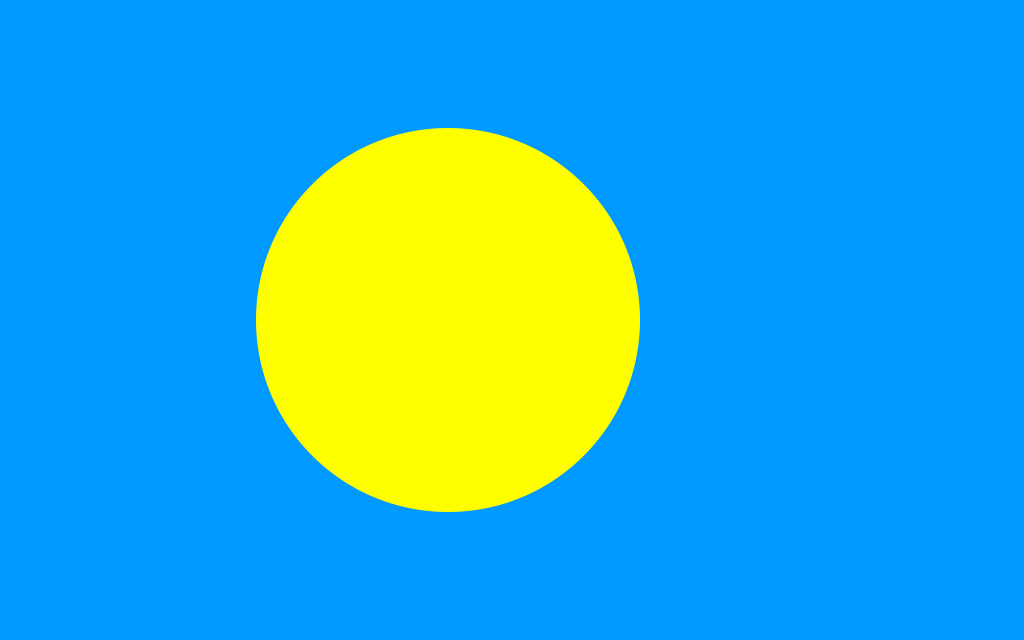
Palau
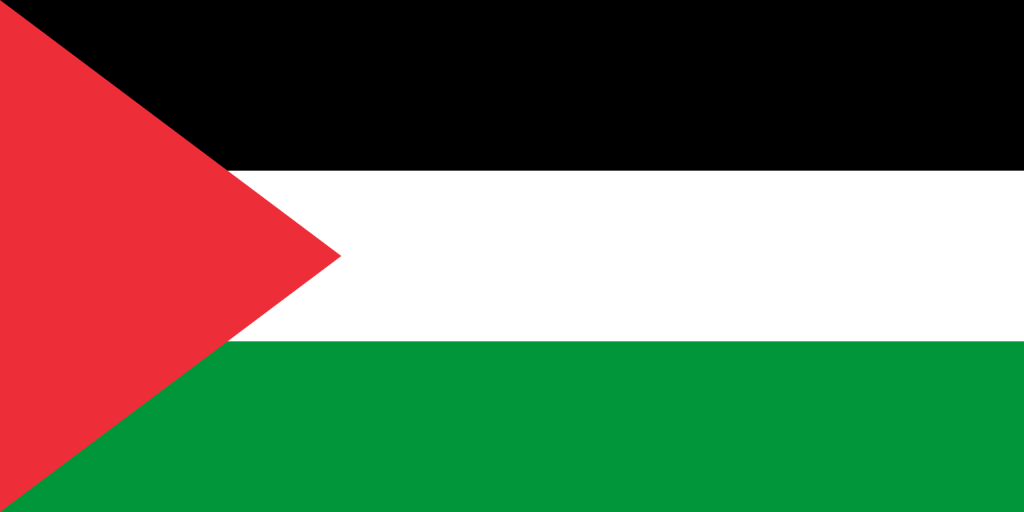
Palestine
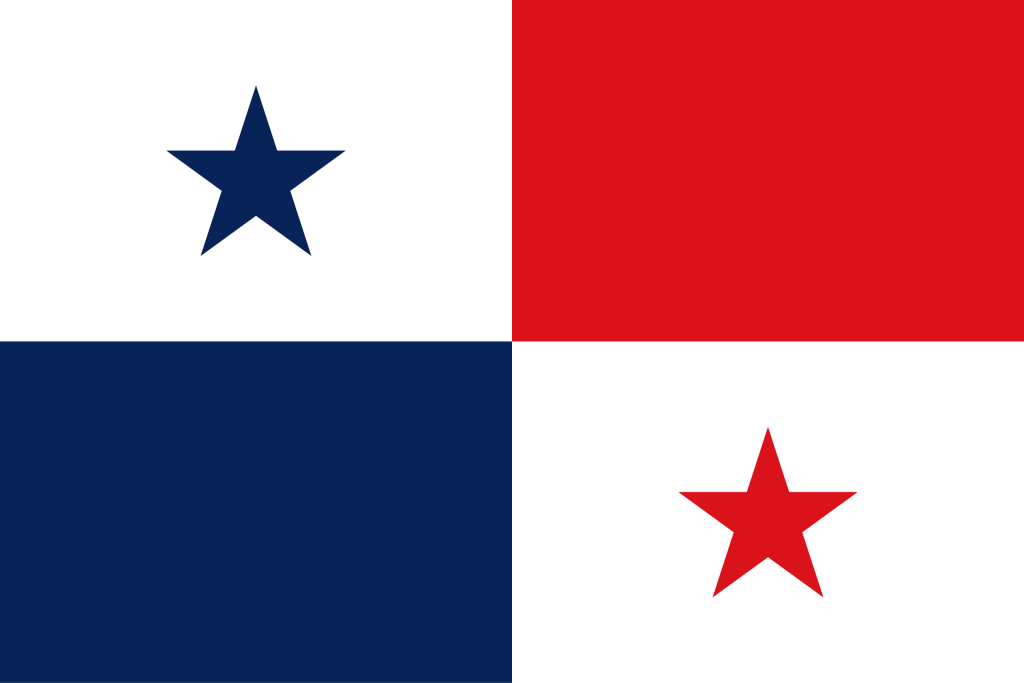
Panama
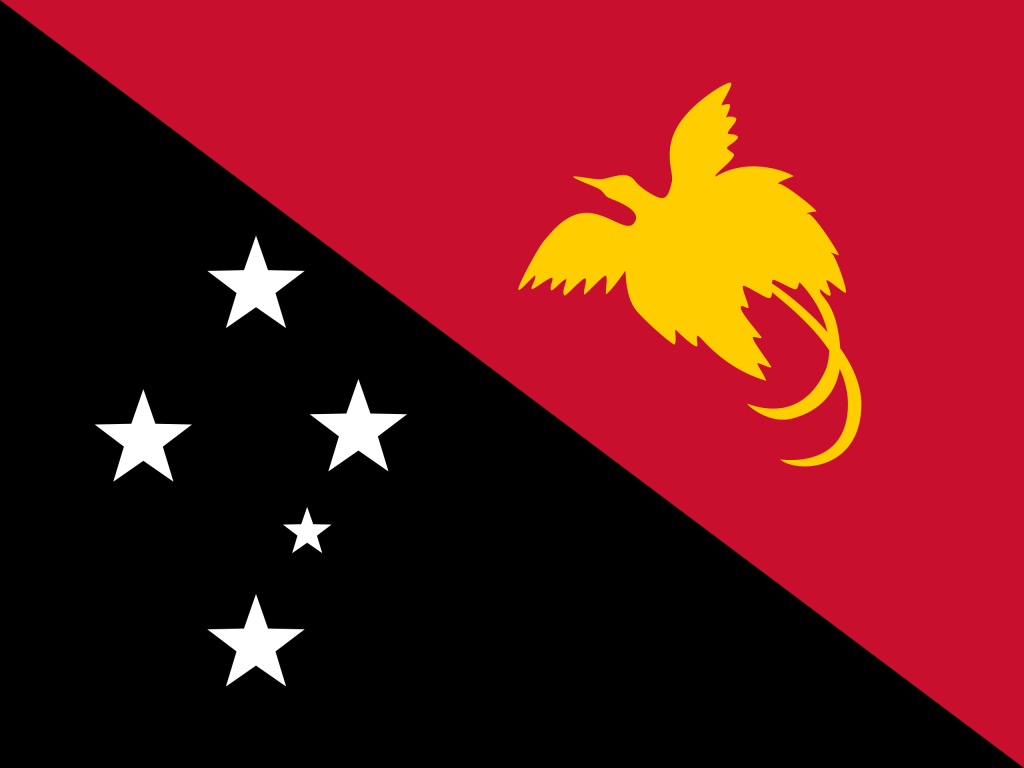
Papua New Guinea
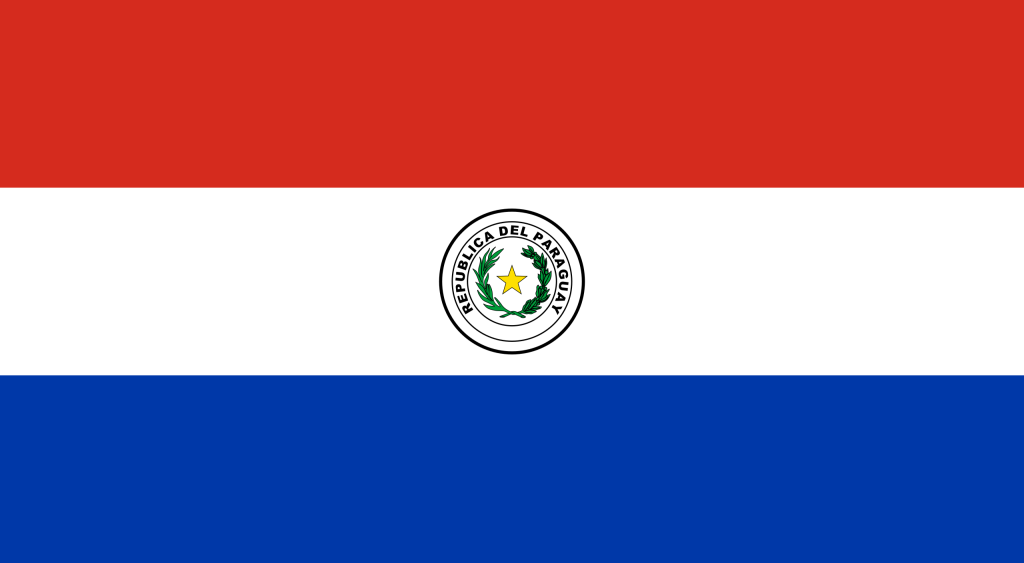
Paraguay
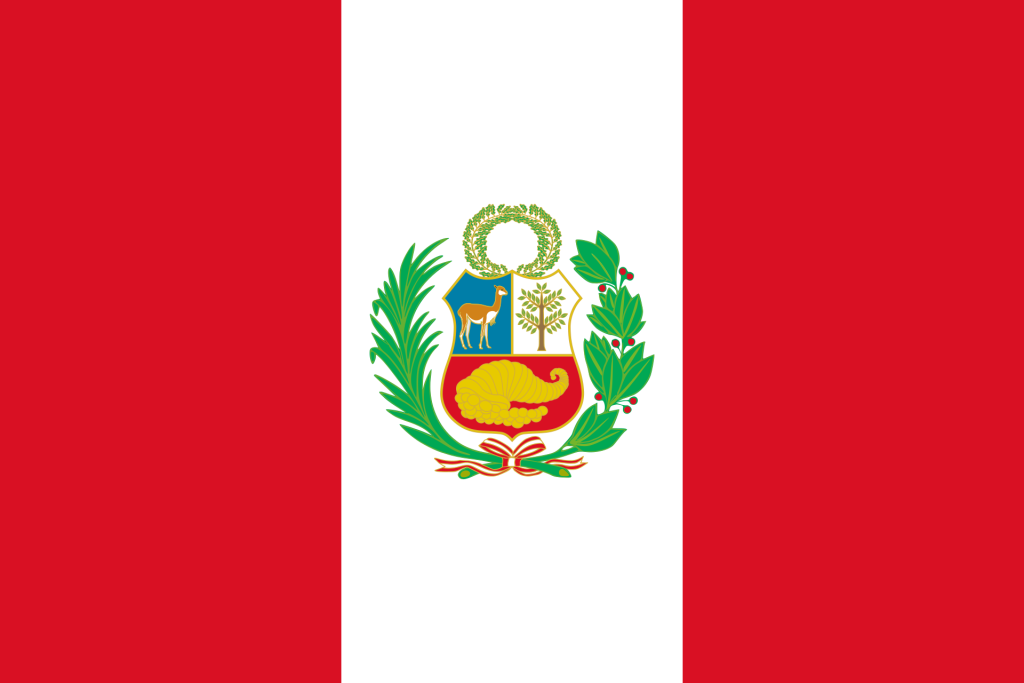
Peru
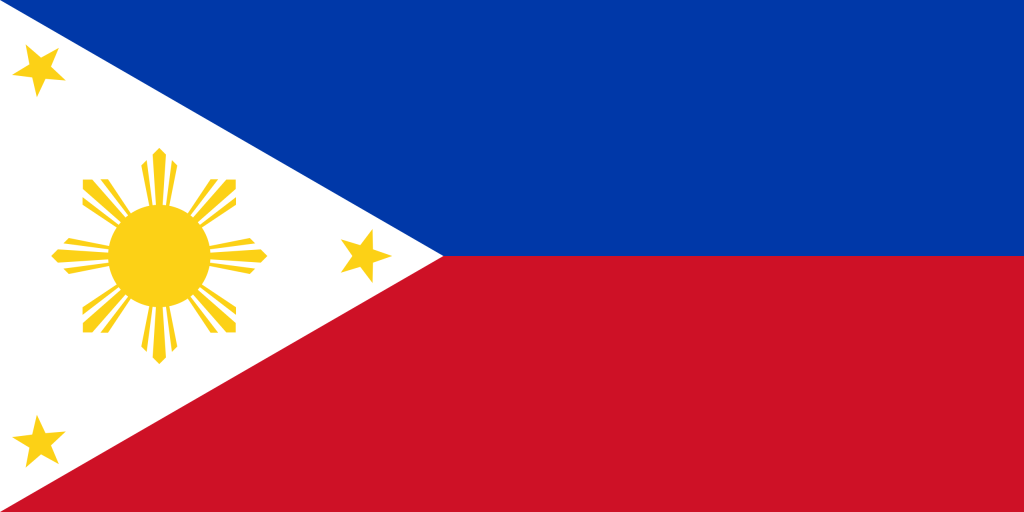
Philippines
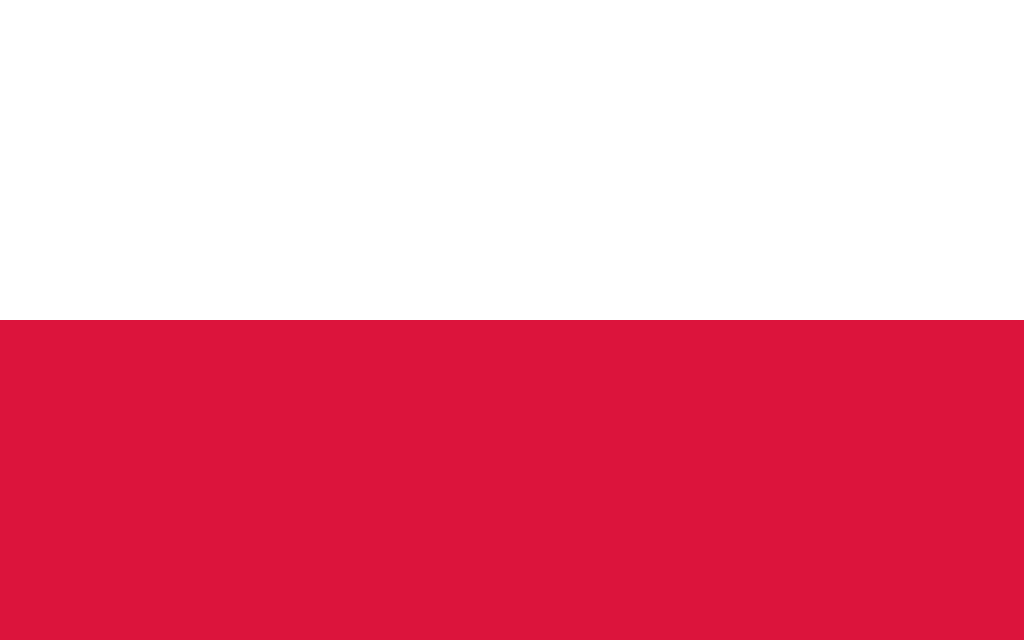
Poland
Portugal
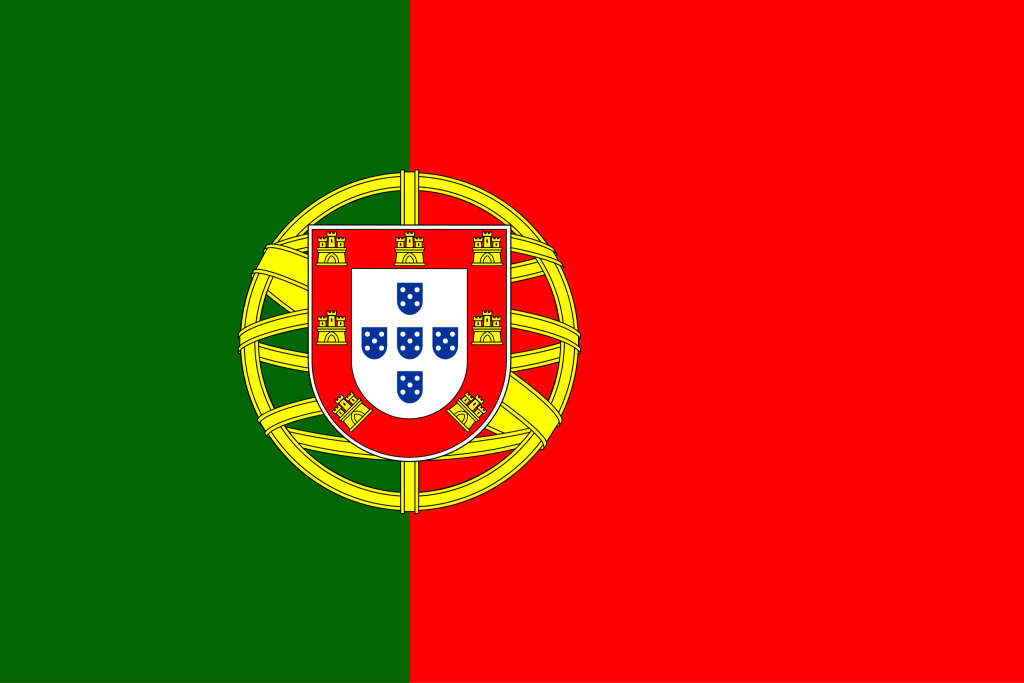

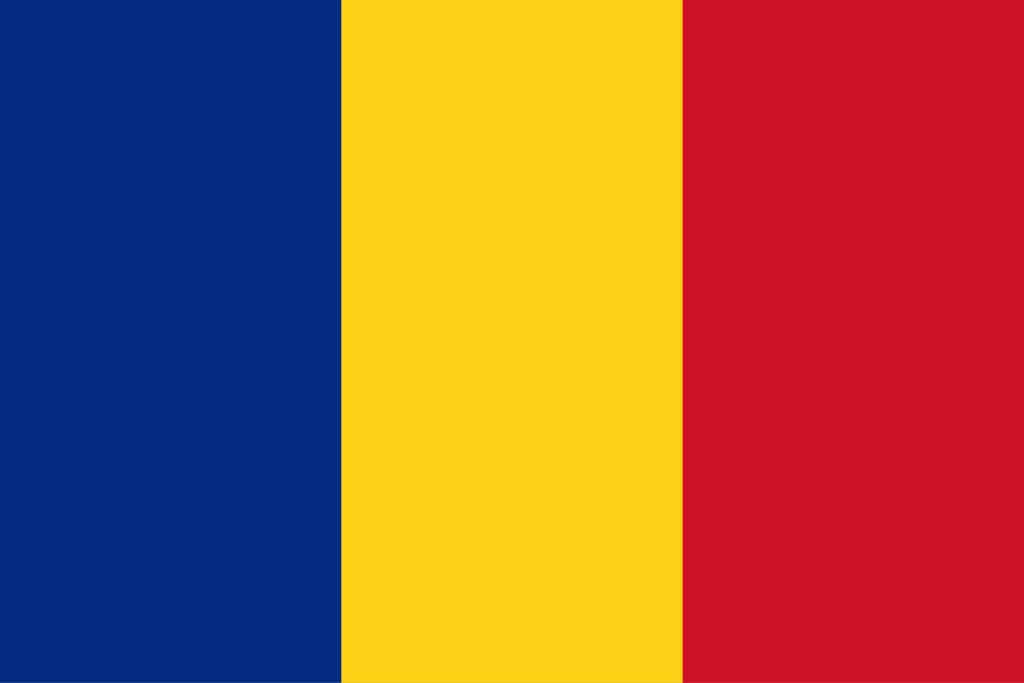
Romania
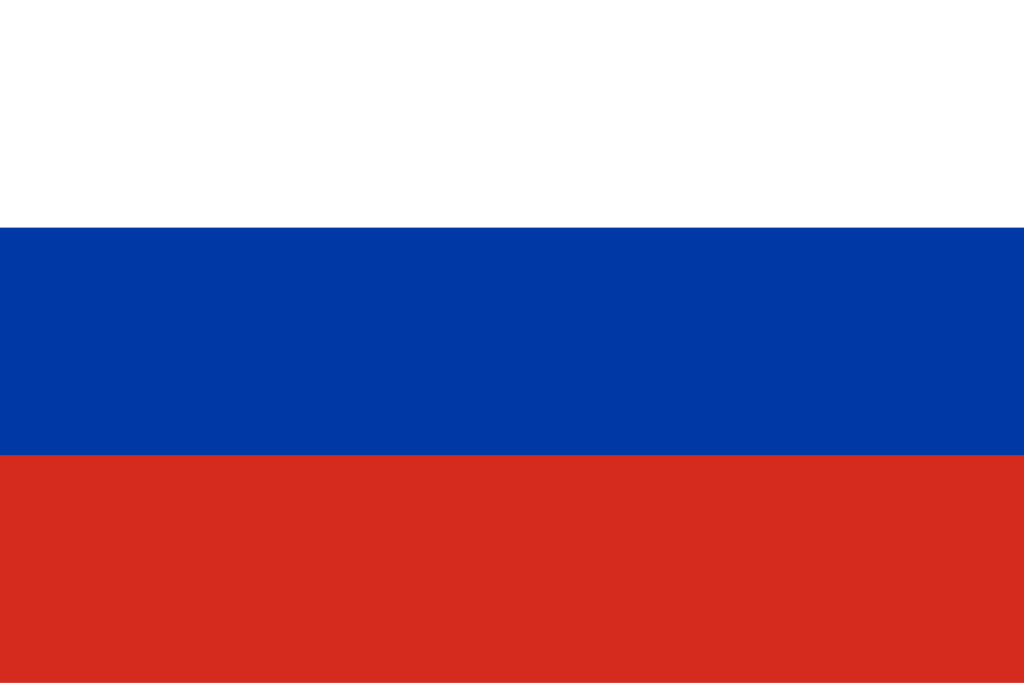
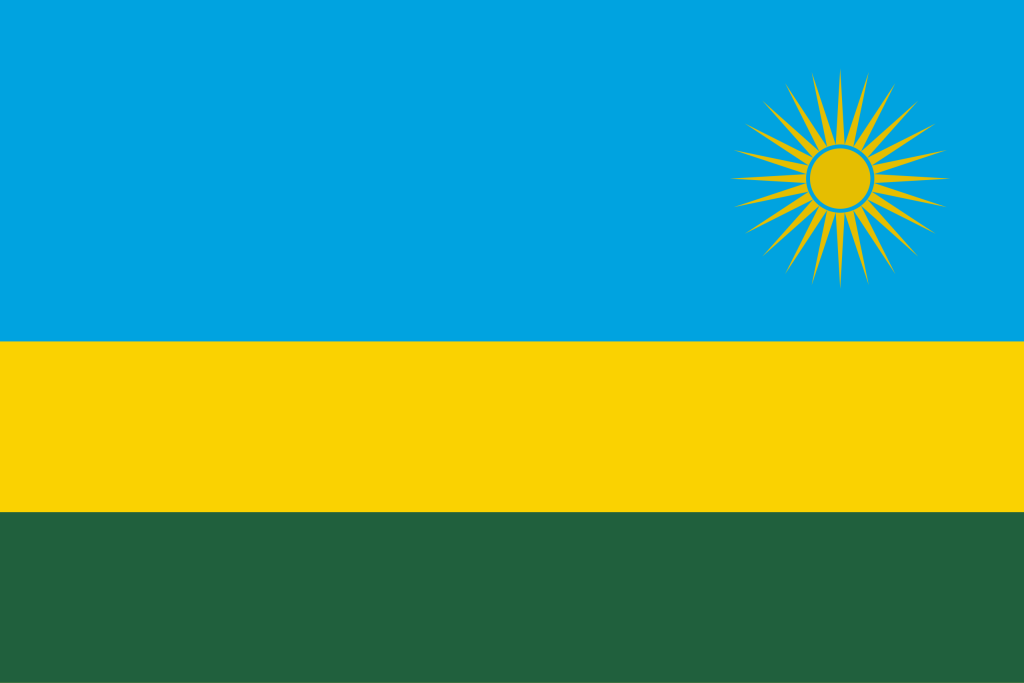
Rwanda
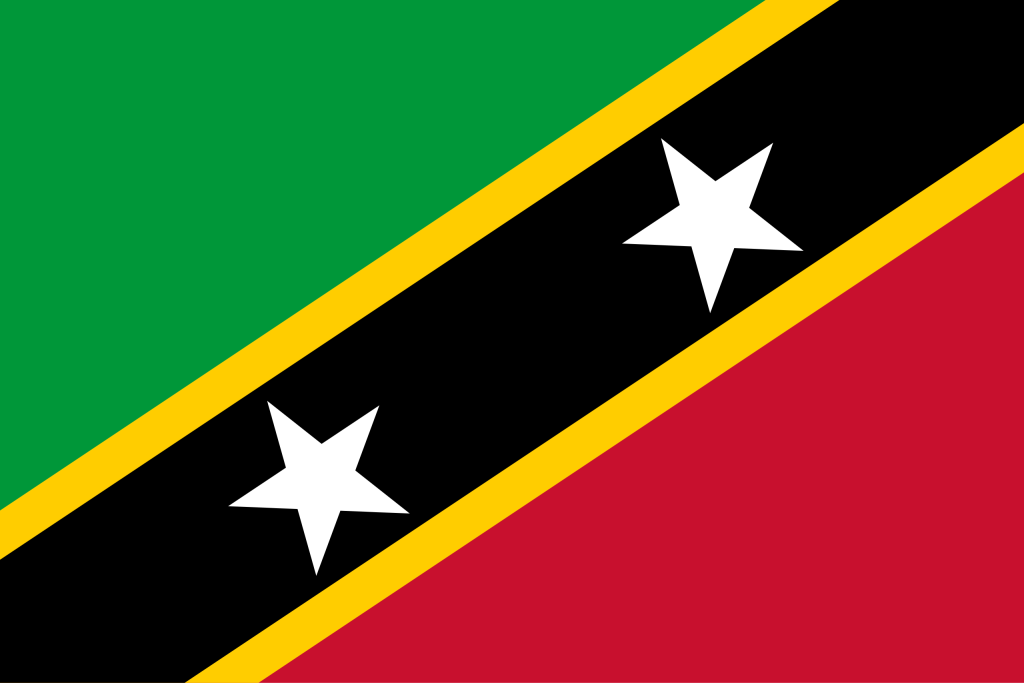
Saint Kitts and Nevis
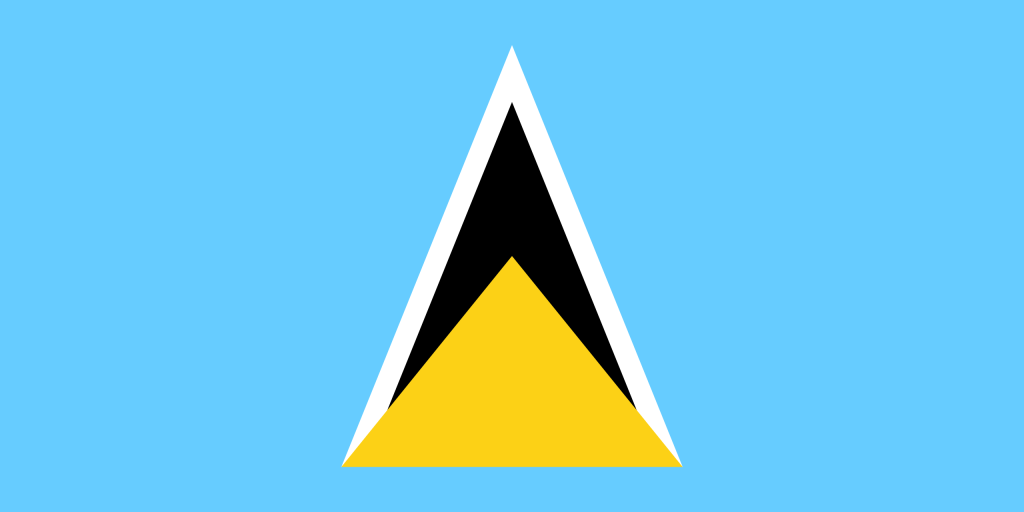
Saint Lucia
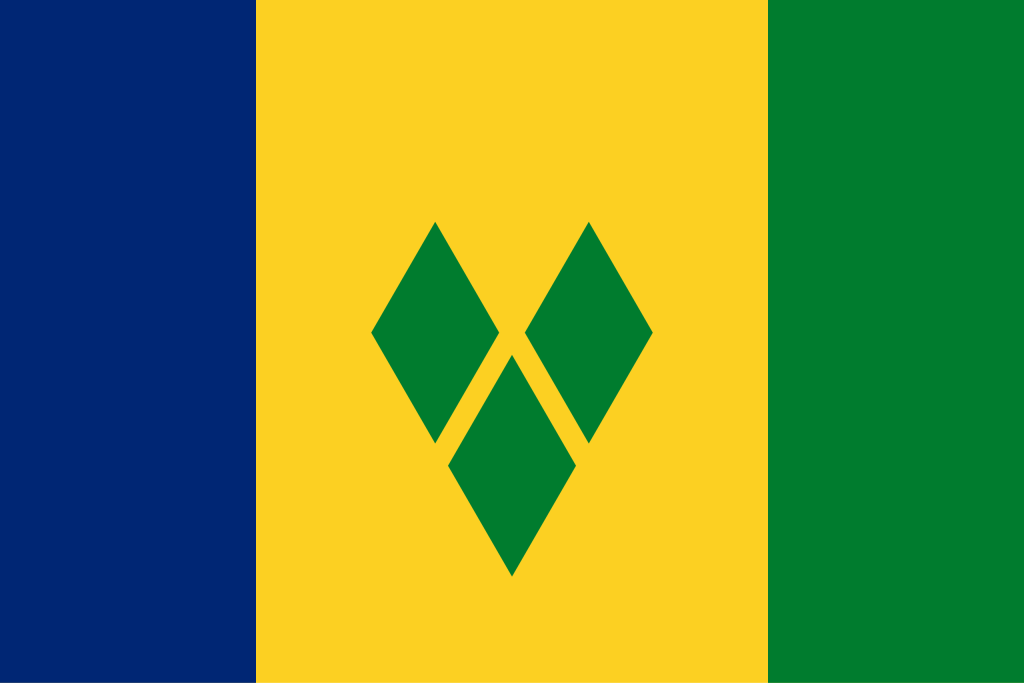
Saint Vincent and the Grenadines
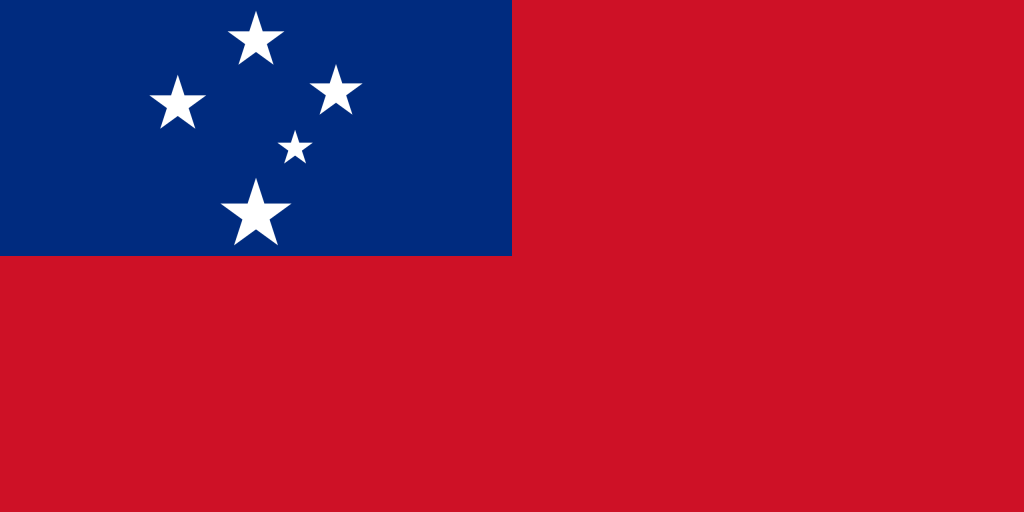
Samoa
San Marino
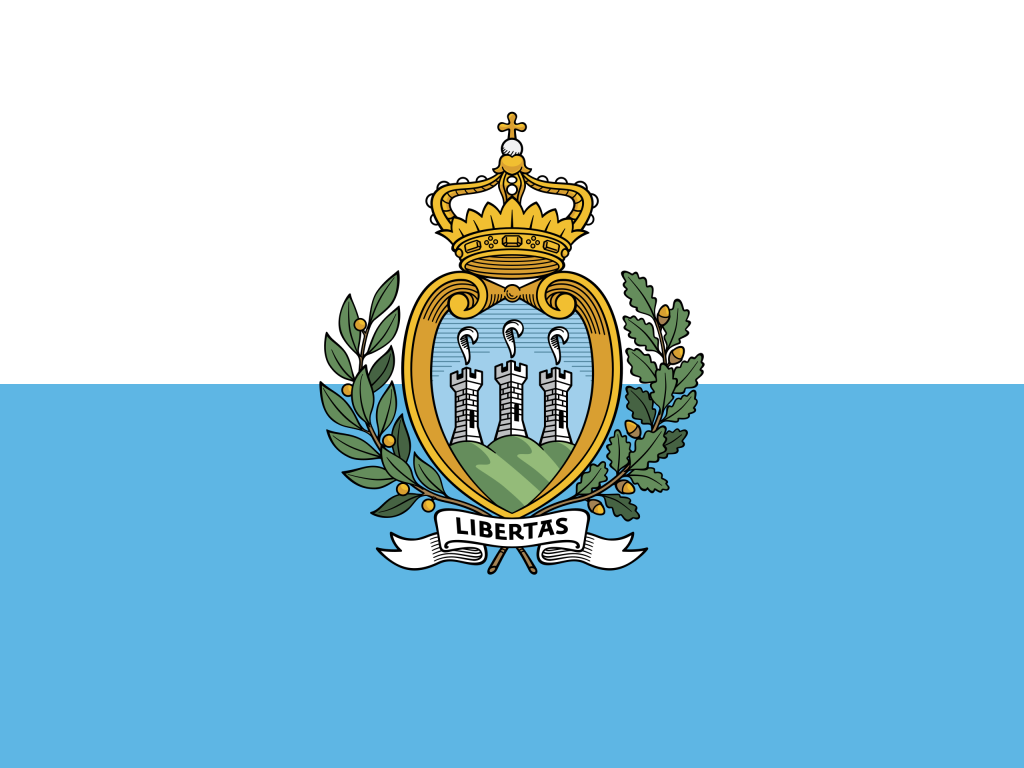
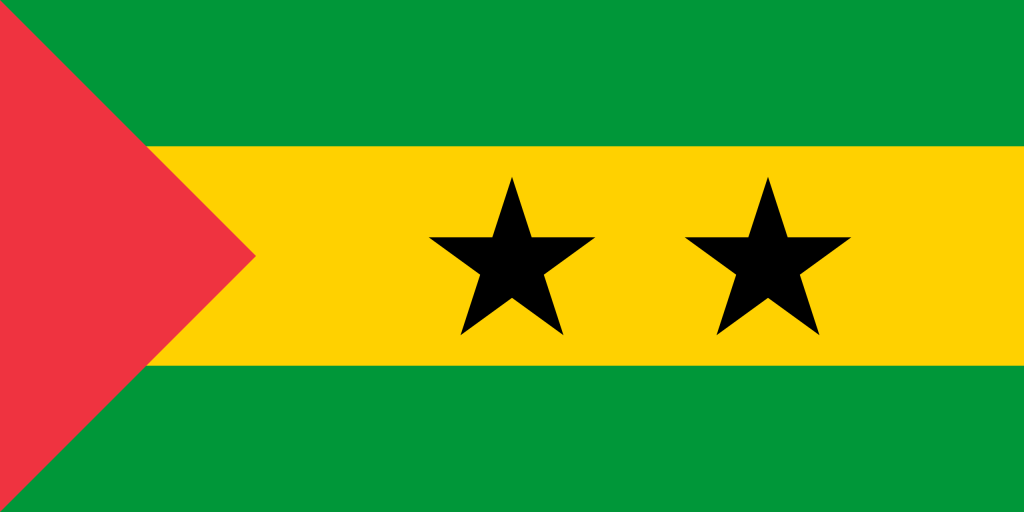
São Tomé and Príncipe
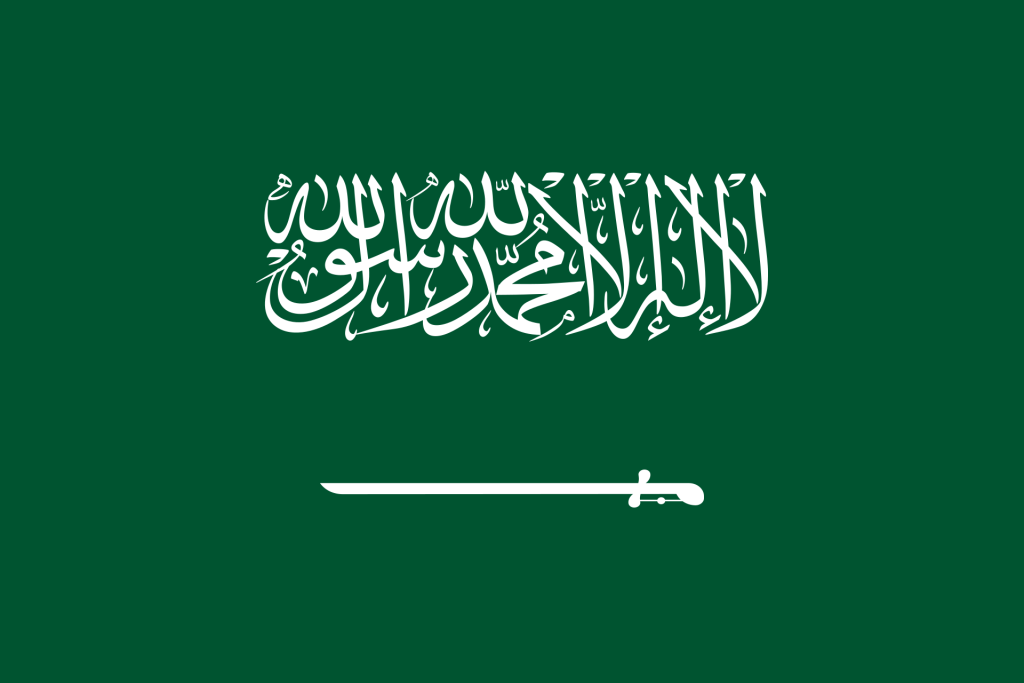
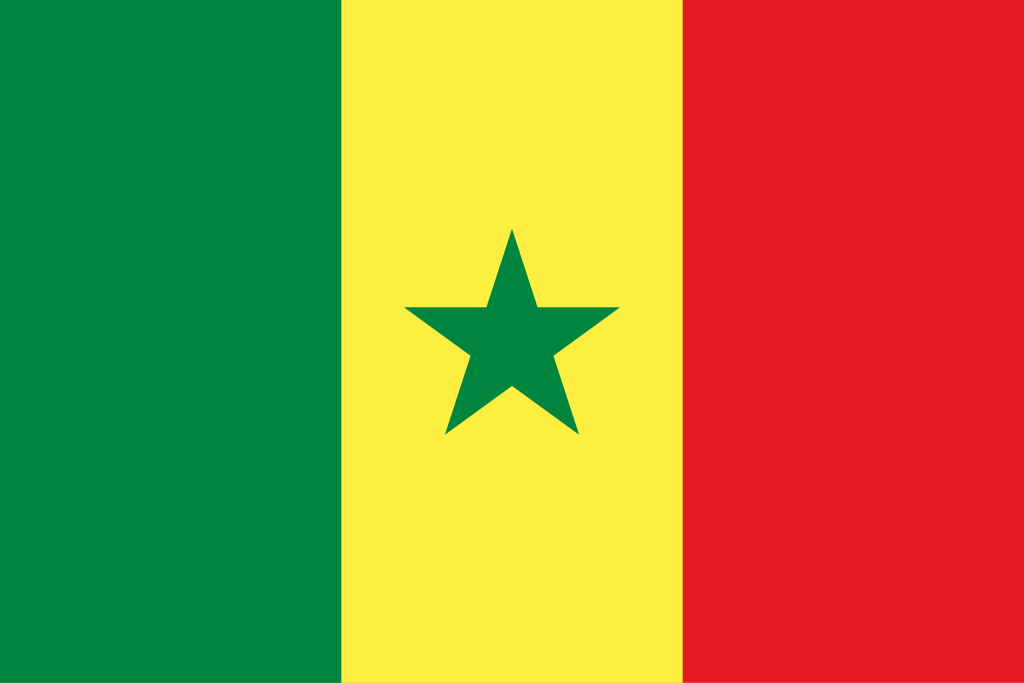
Senegal
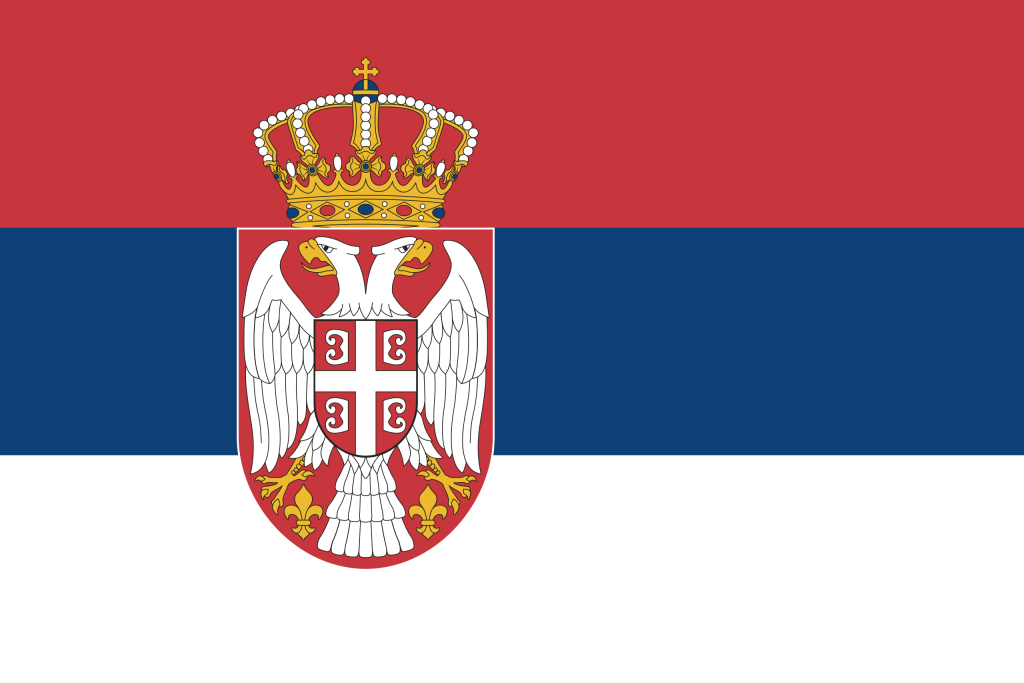
Serbia
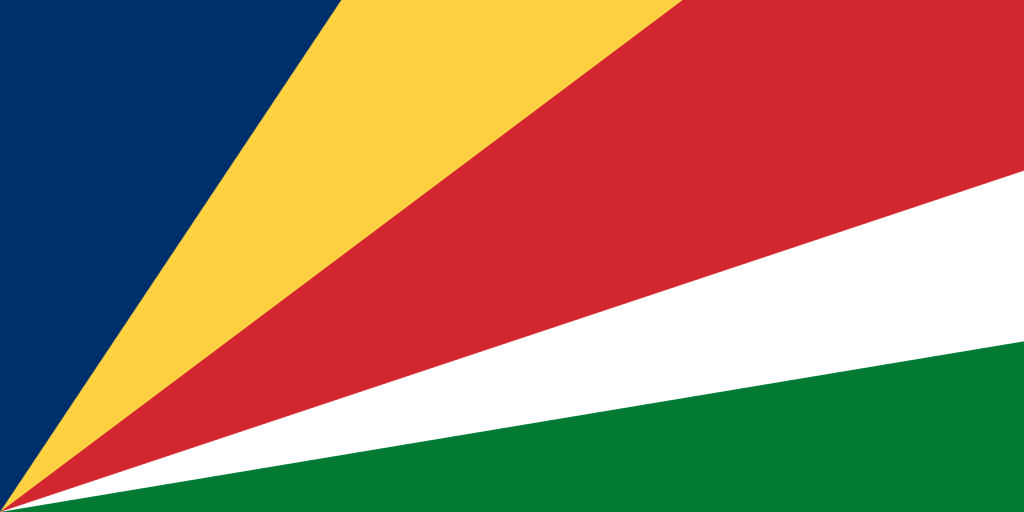
Seychelles
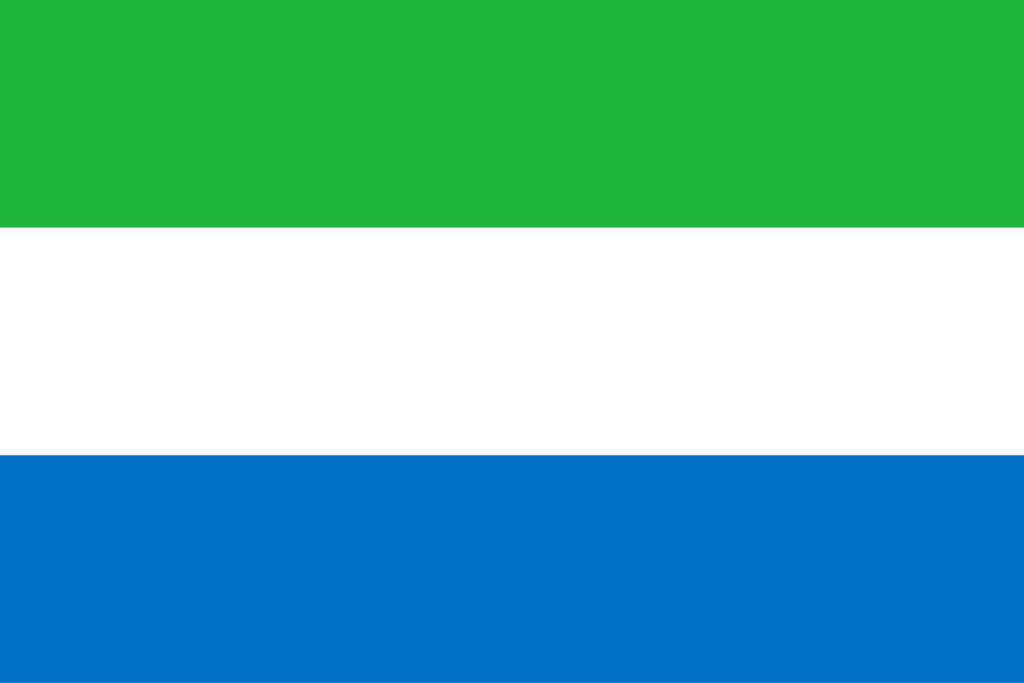
Sierra Leone
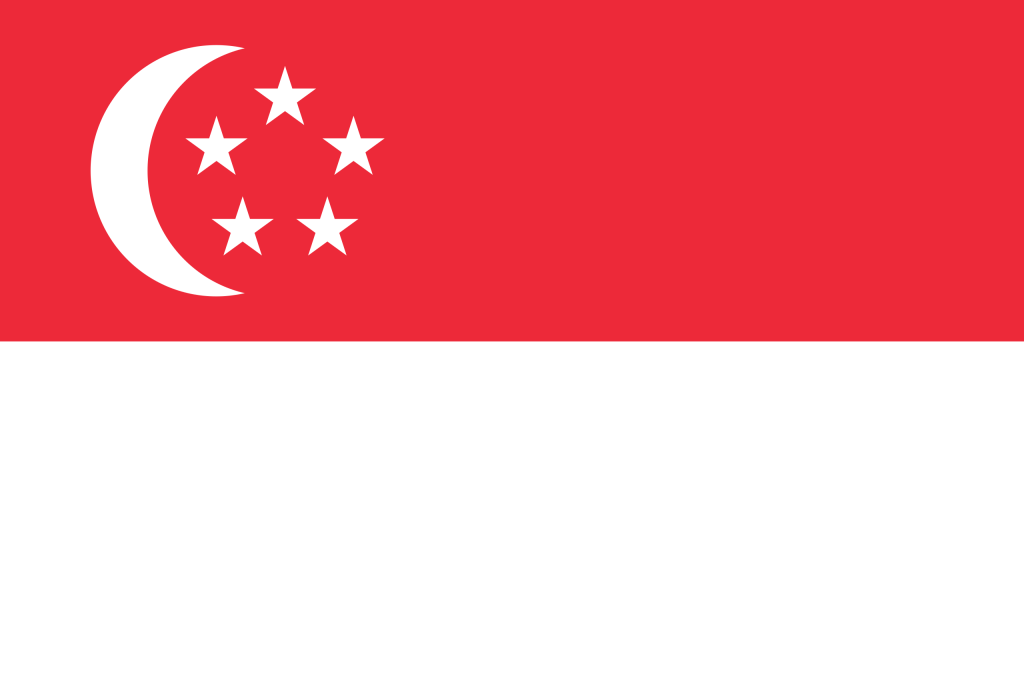
Singapore
Slovakia
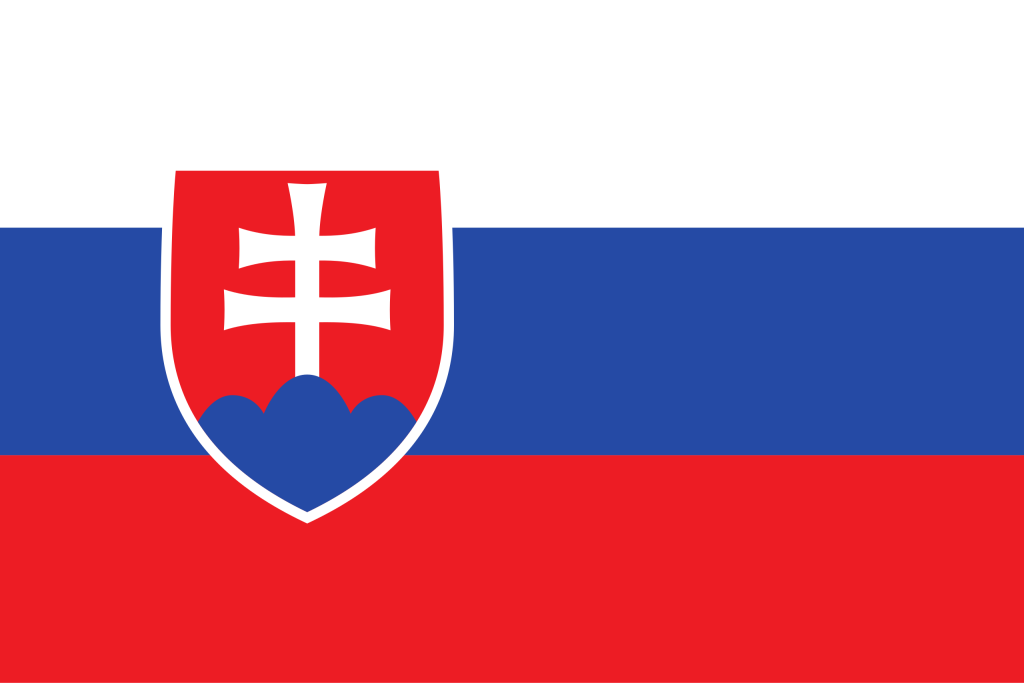
Slovenia
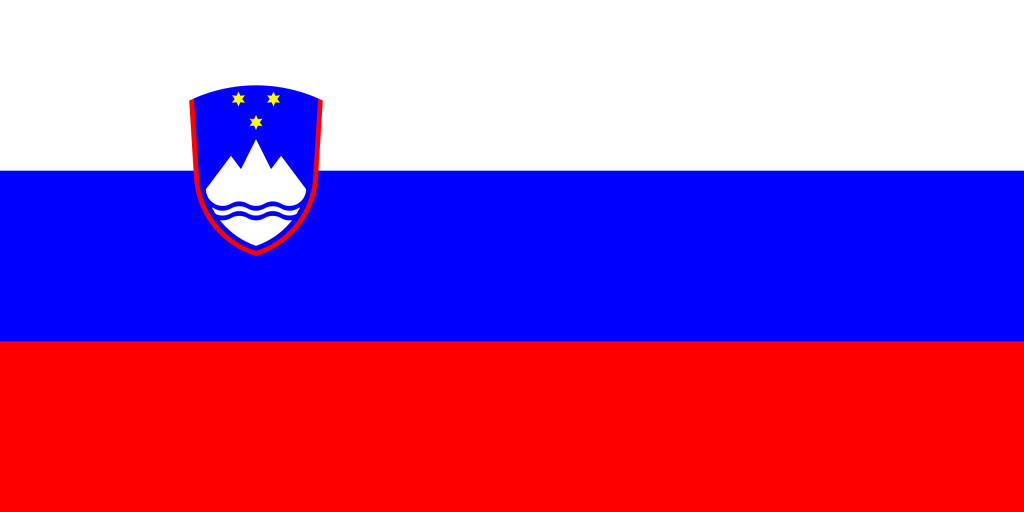
Solomon Islands
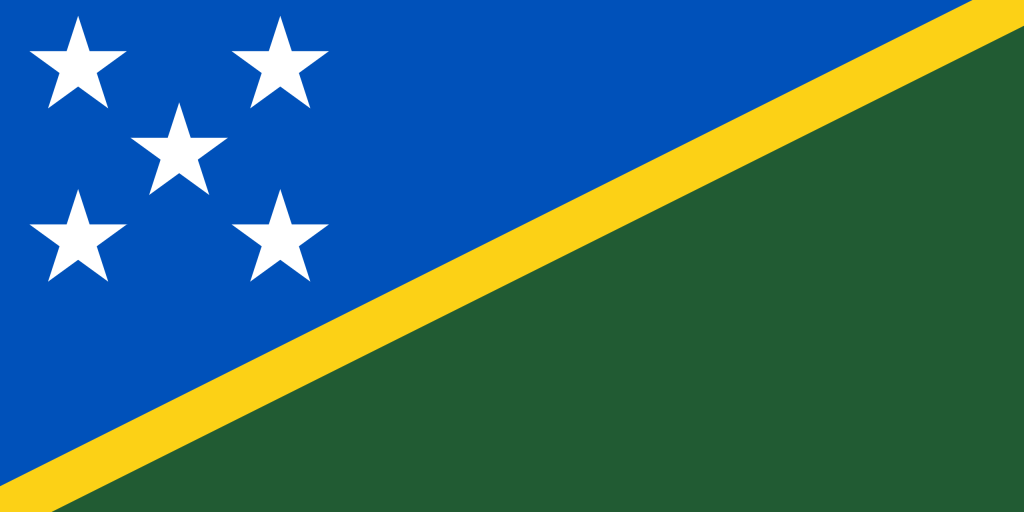
Somalia
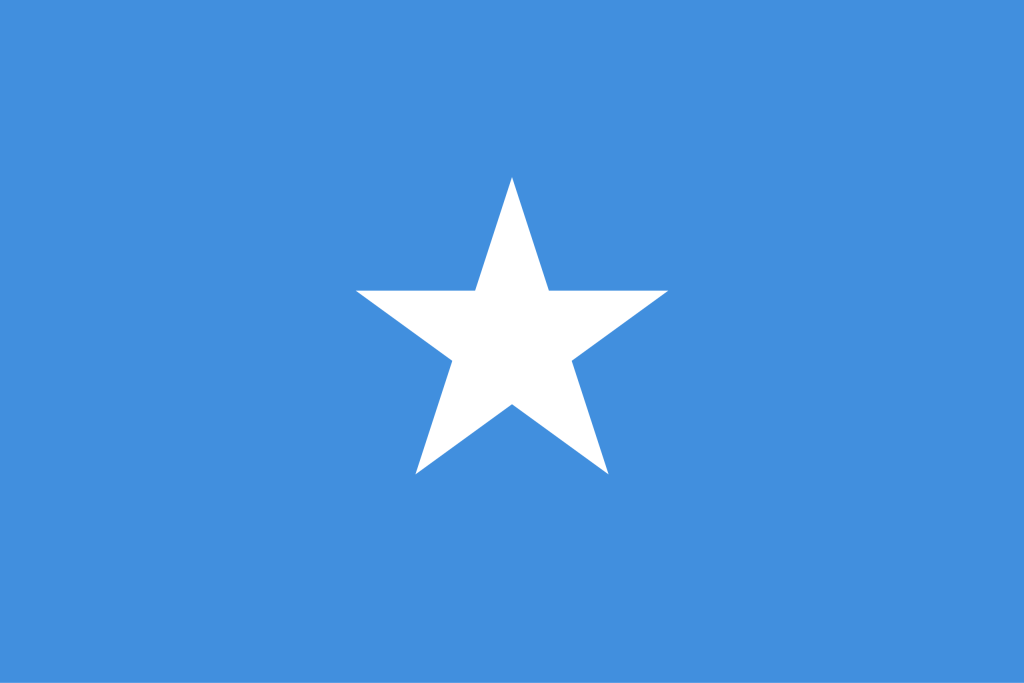
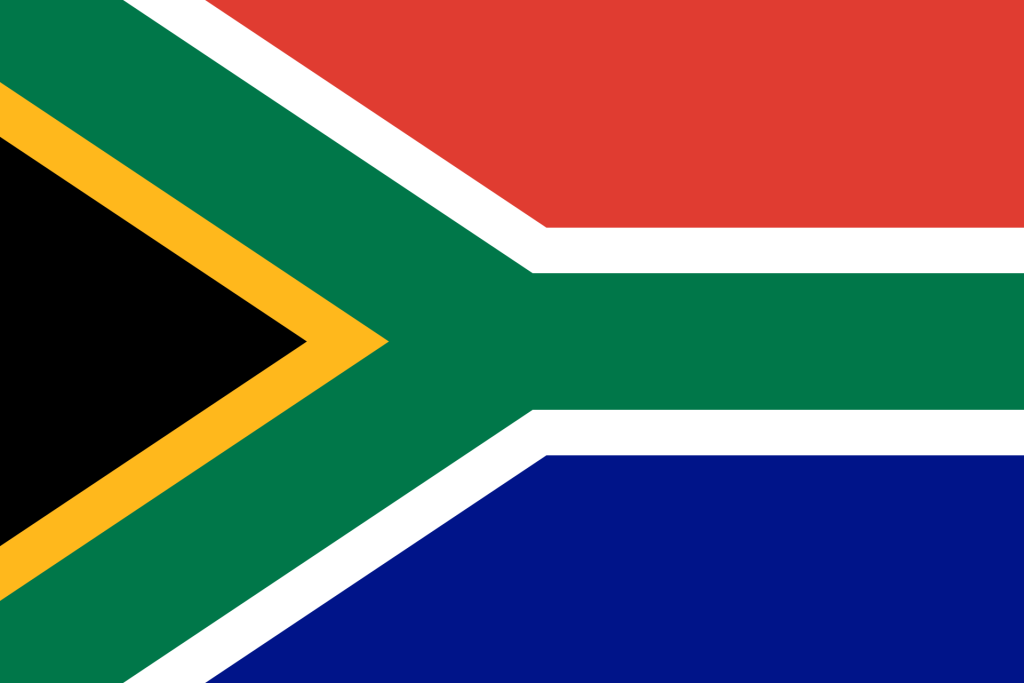
South Africa
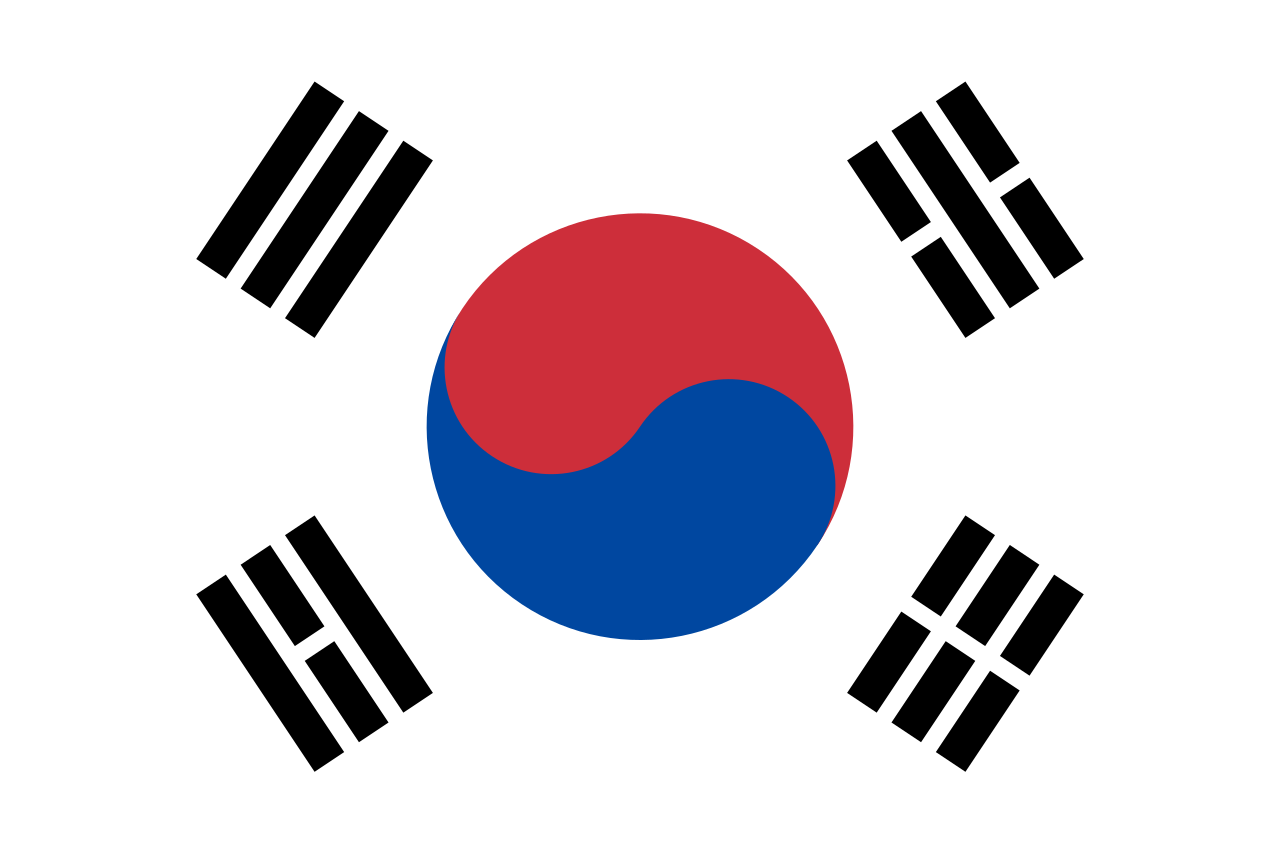
South Korea
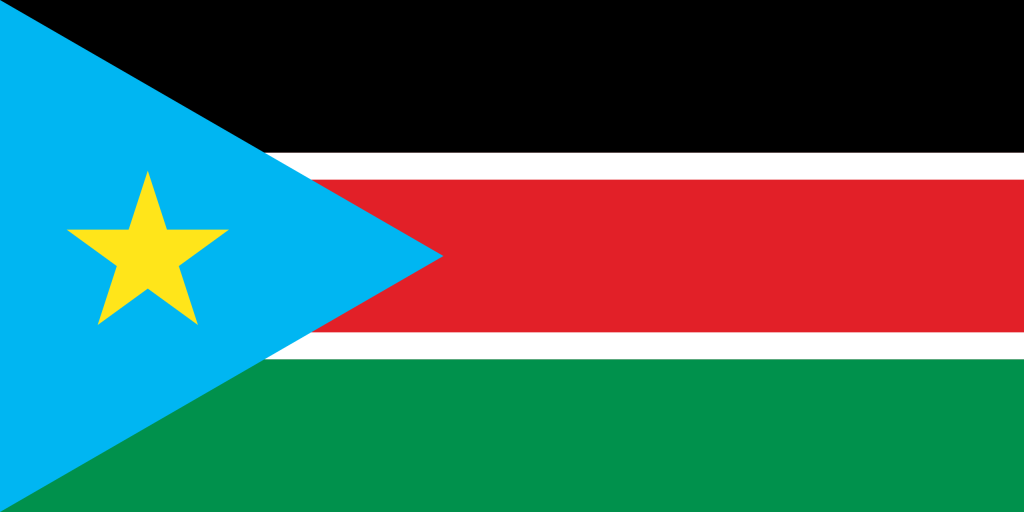
South Sudan
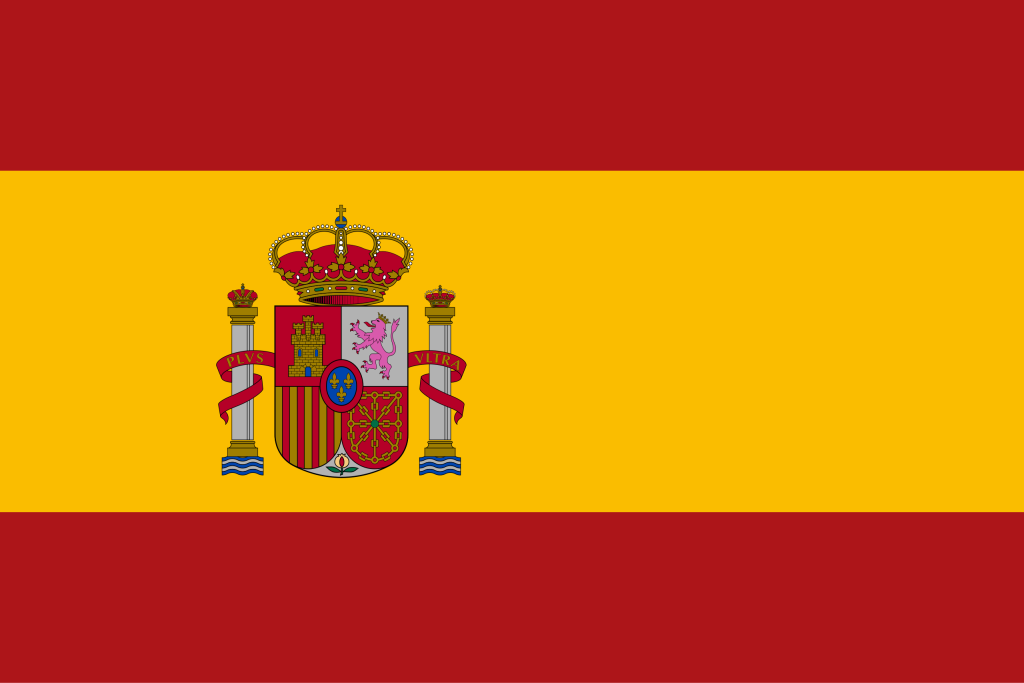
Spain
Sri Lanka
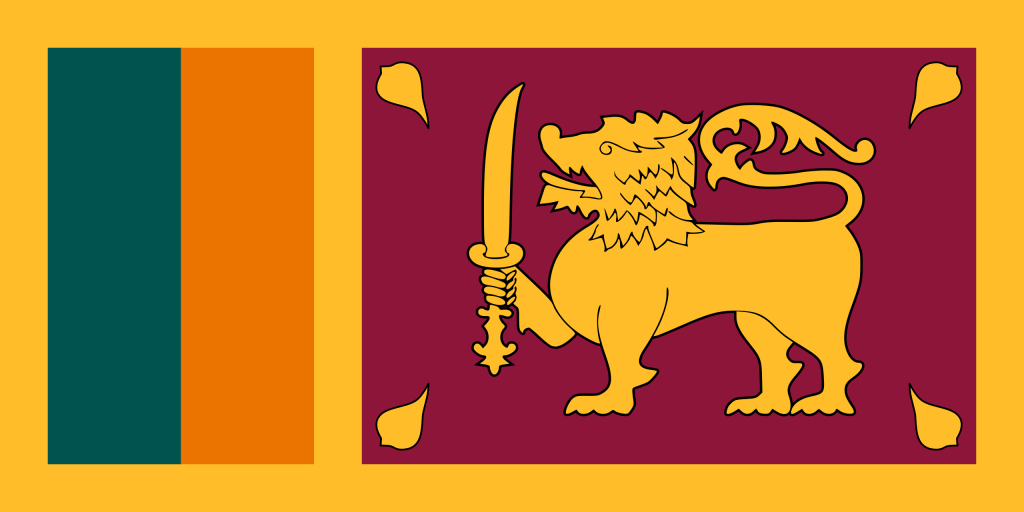
Sudan
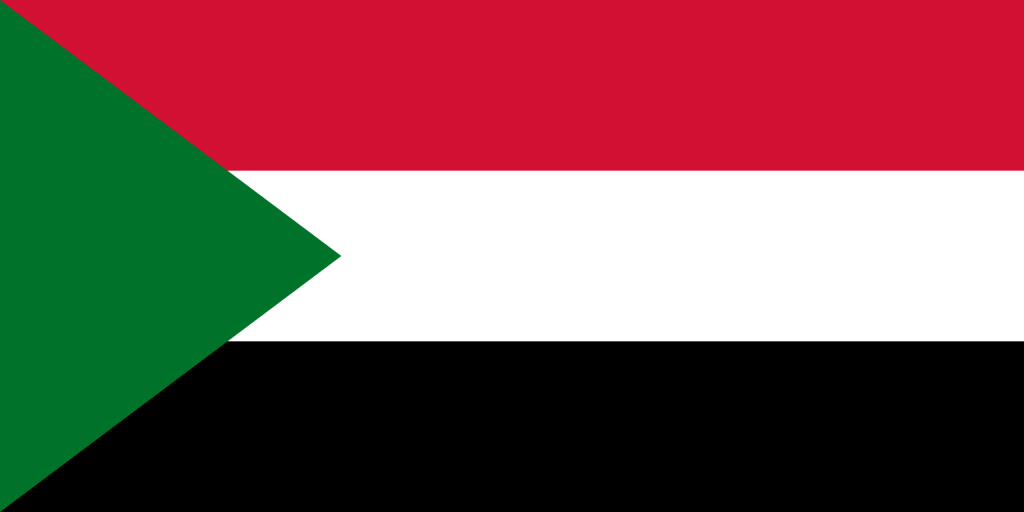
Suriname
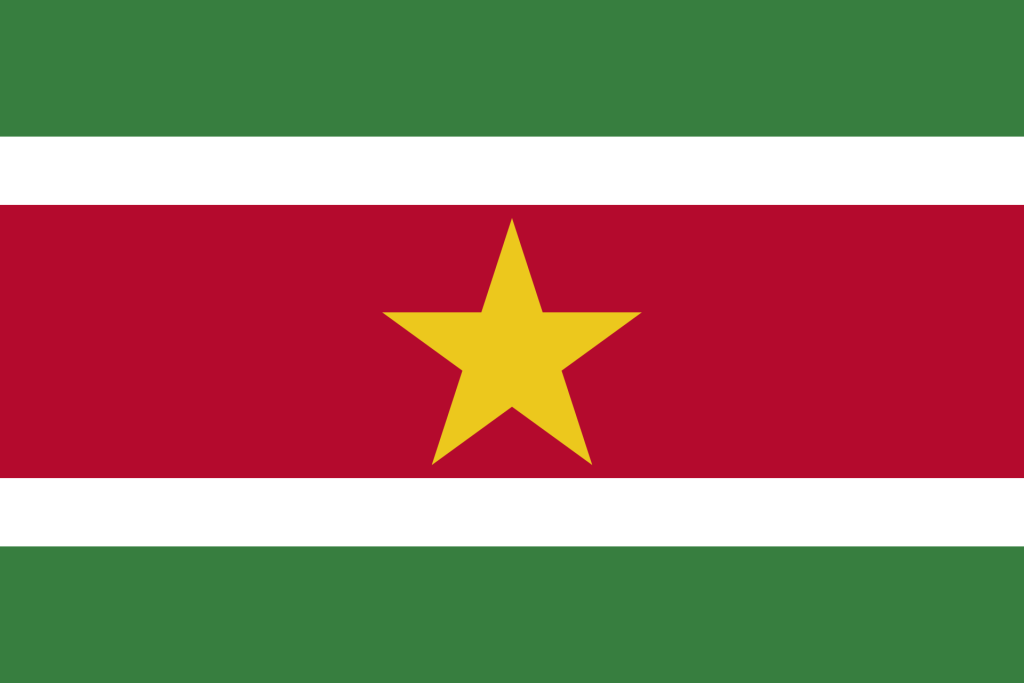
Sweden
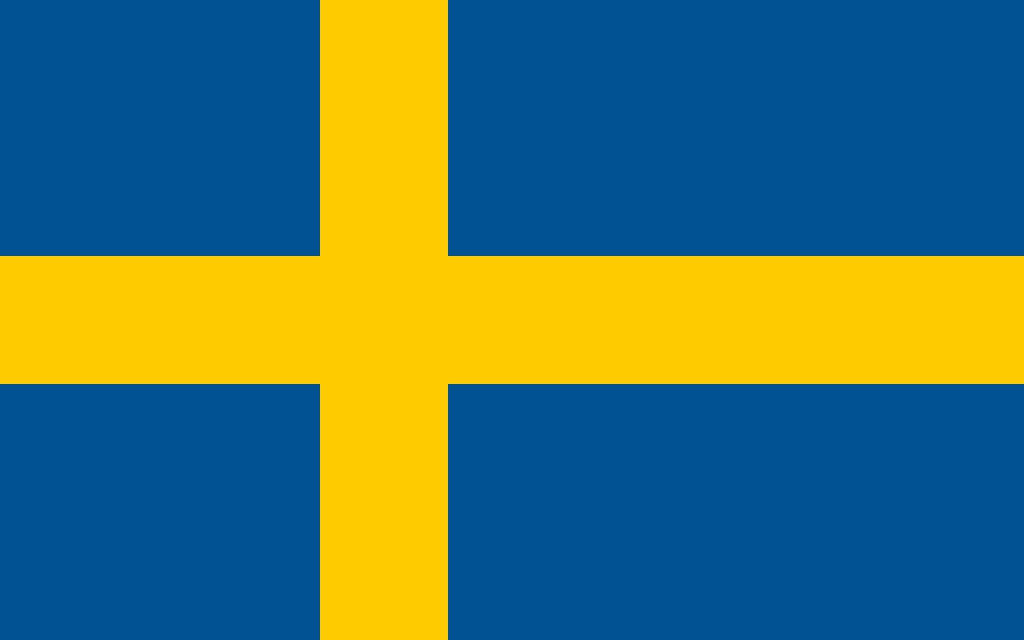
Switzerland

Syria
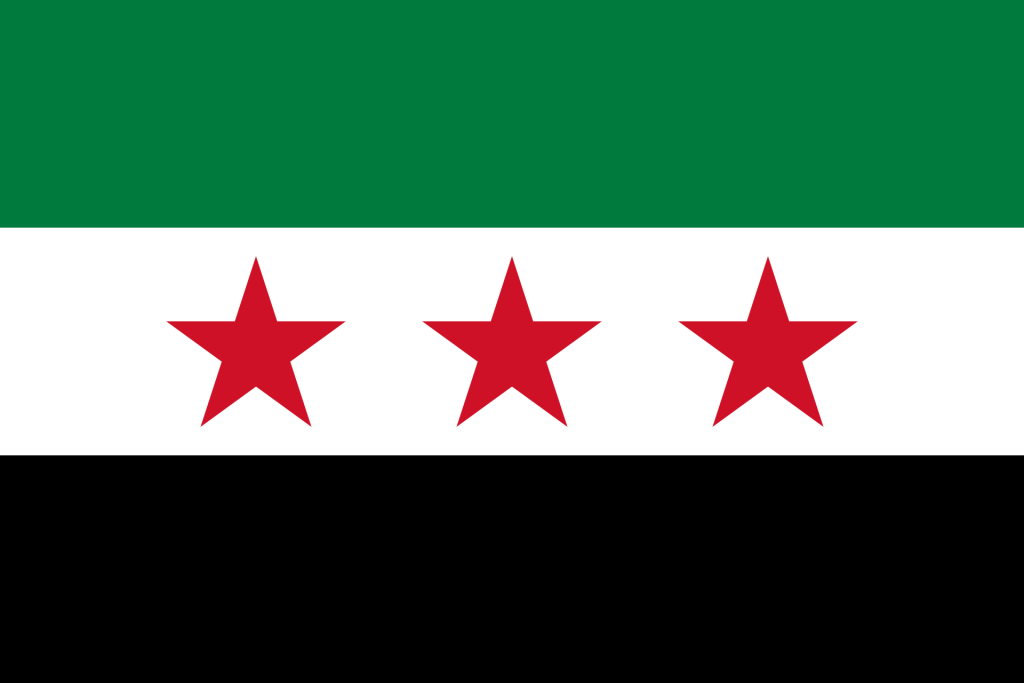
Tajikistan
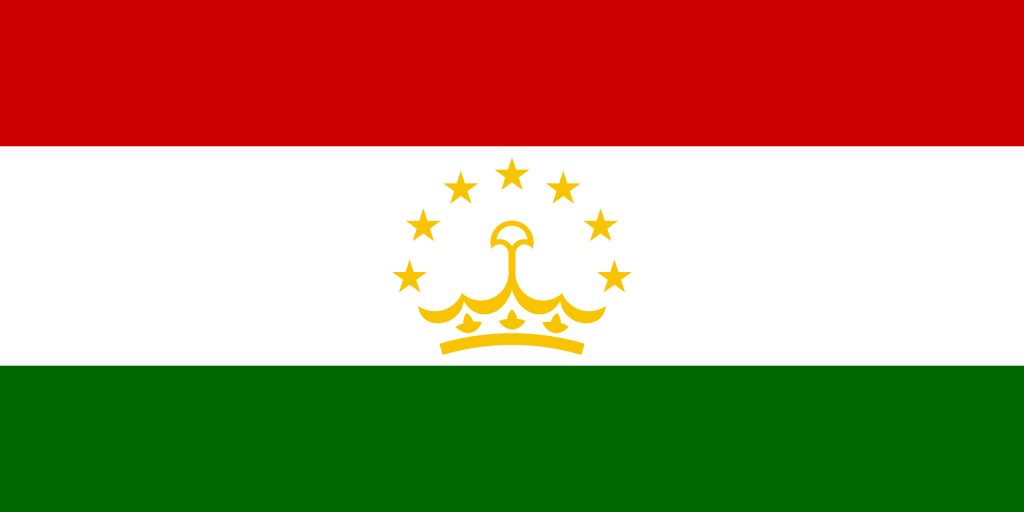
Tanzania
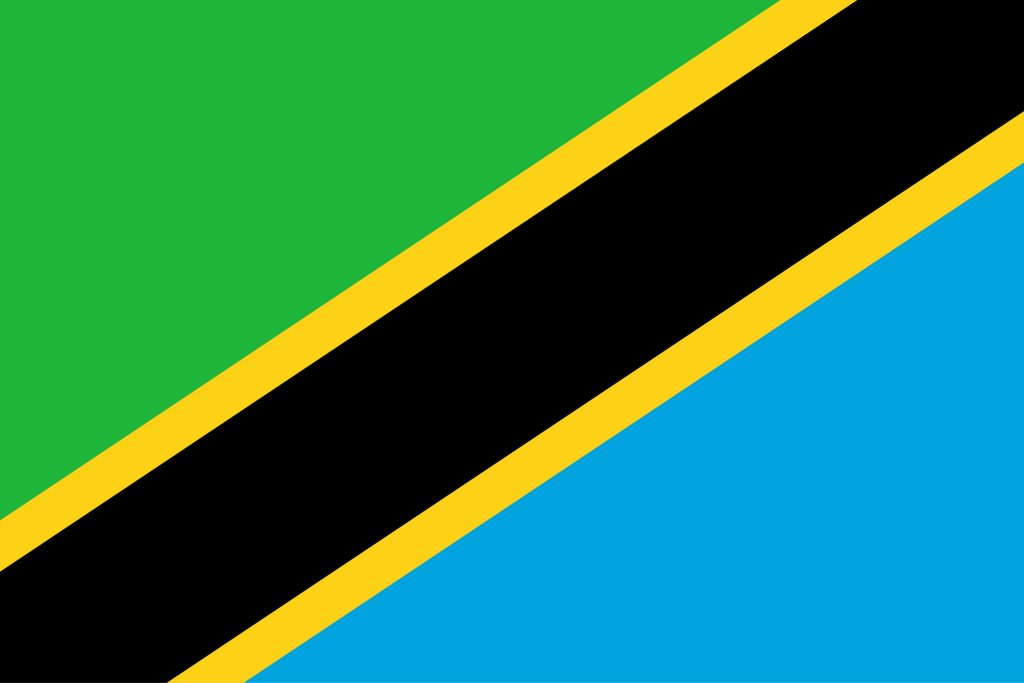
Thailand
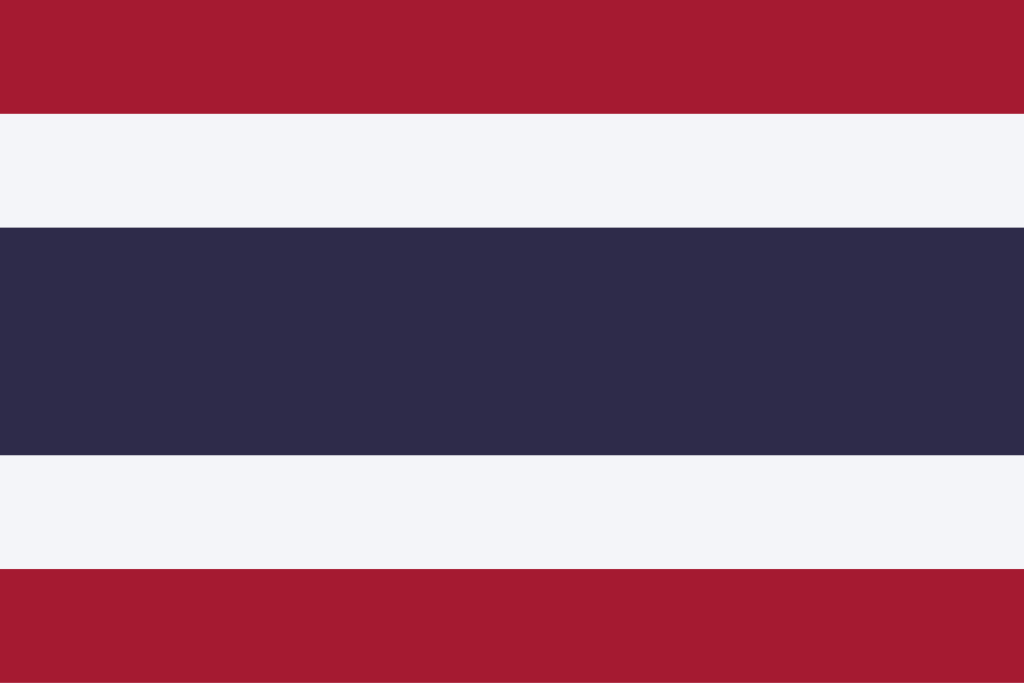
Togo
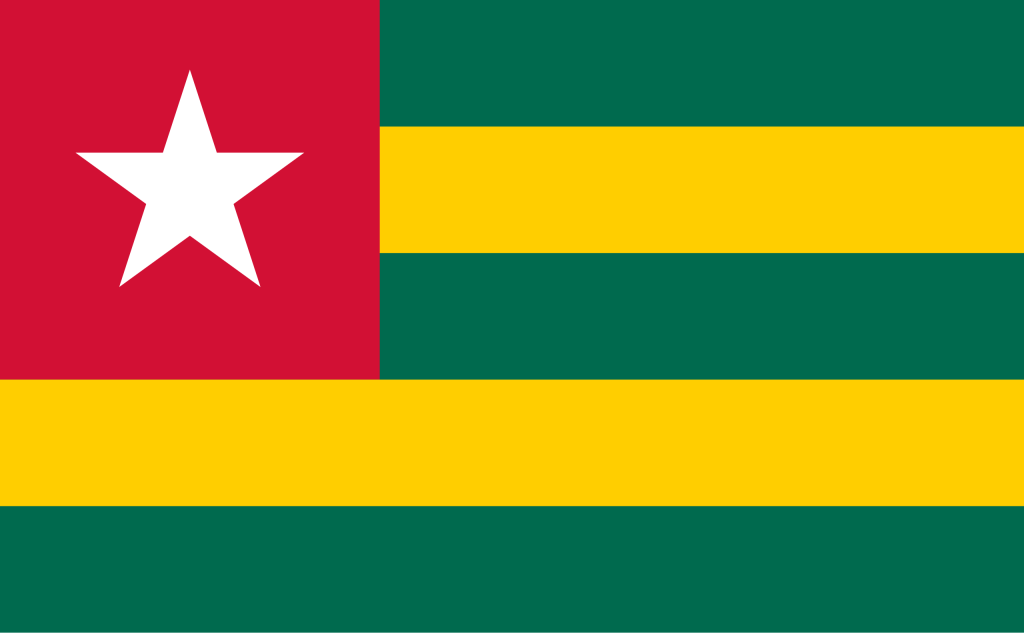
Tonga
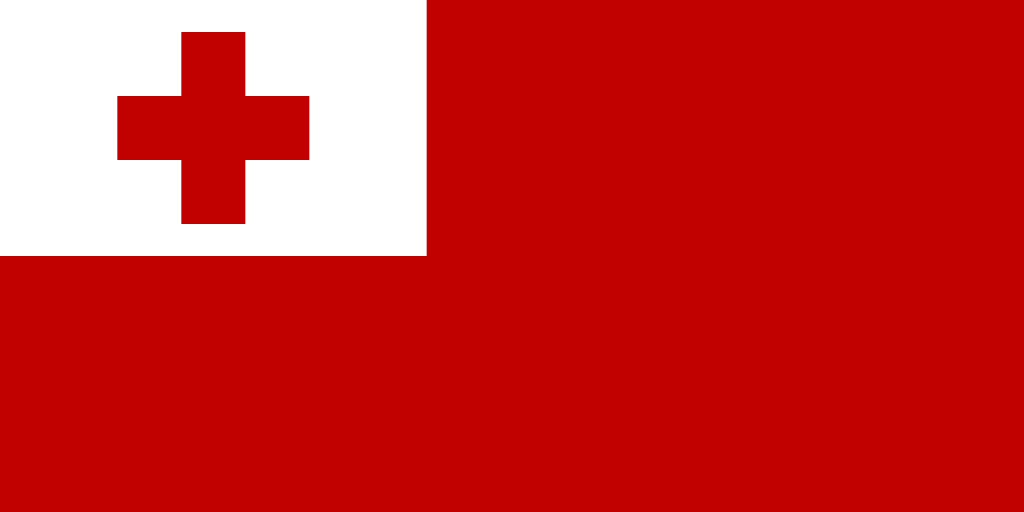
Trinidad and Tobago
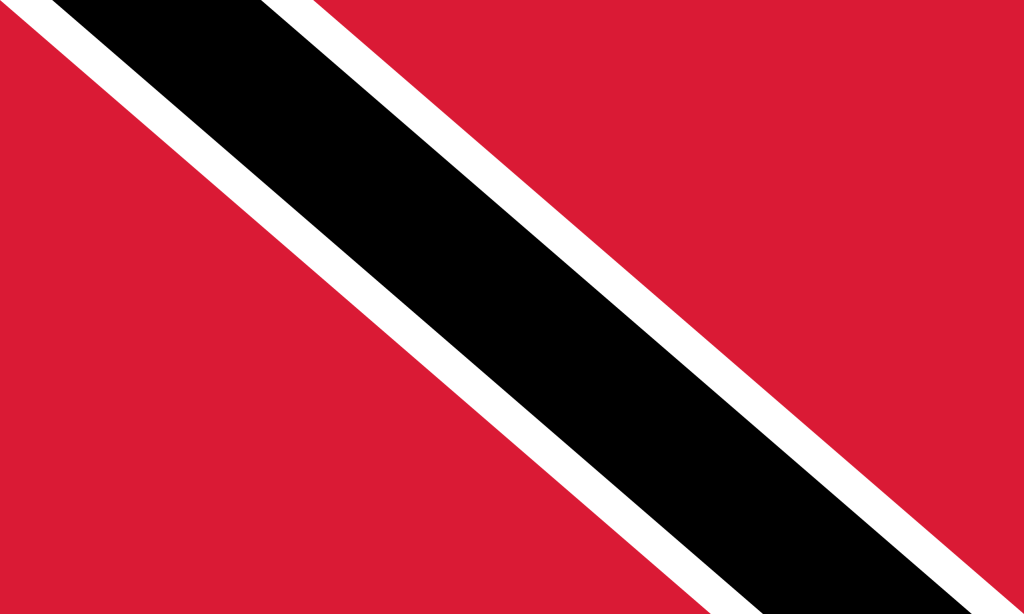
Tunisia
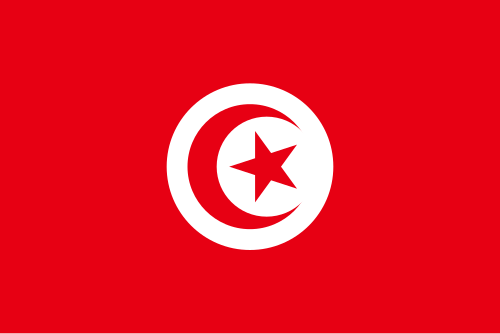
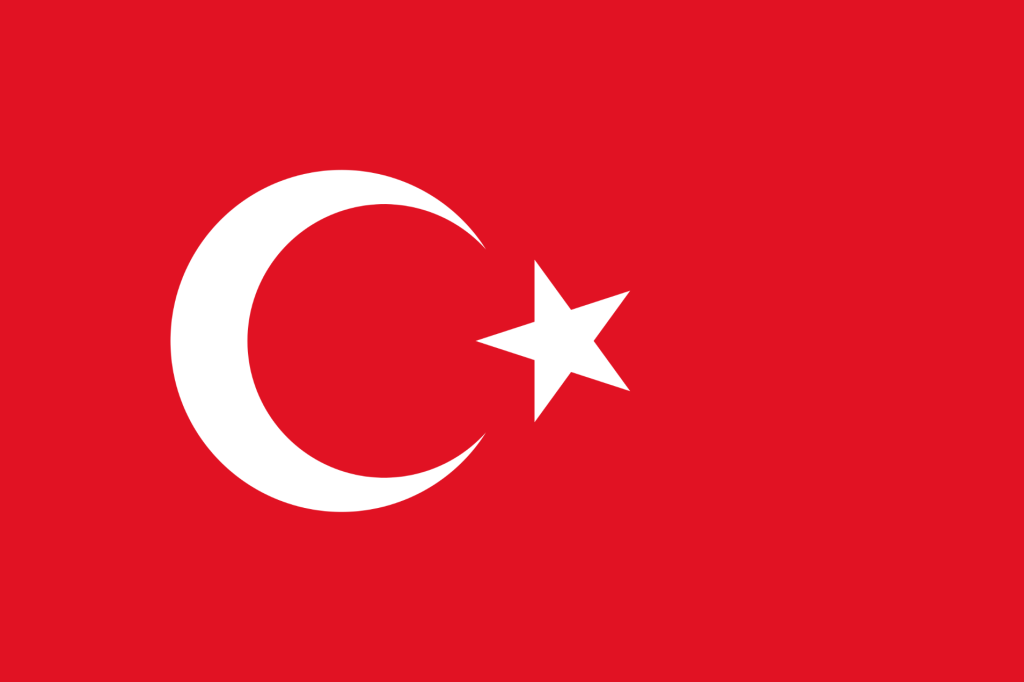
Turkey
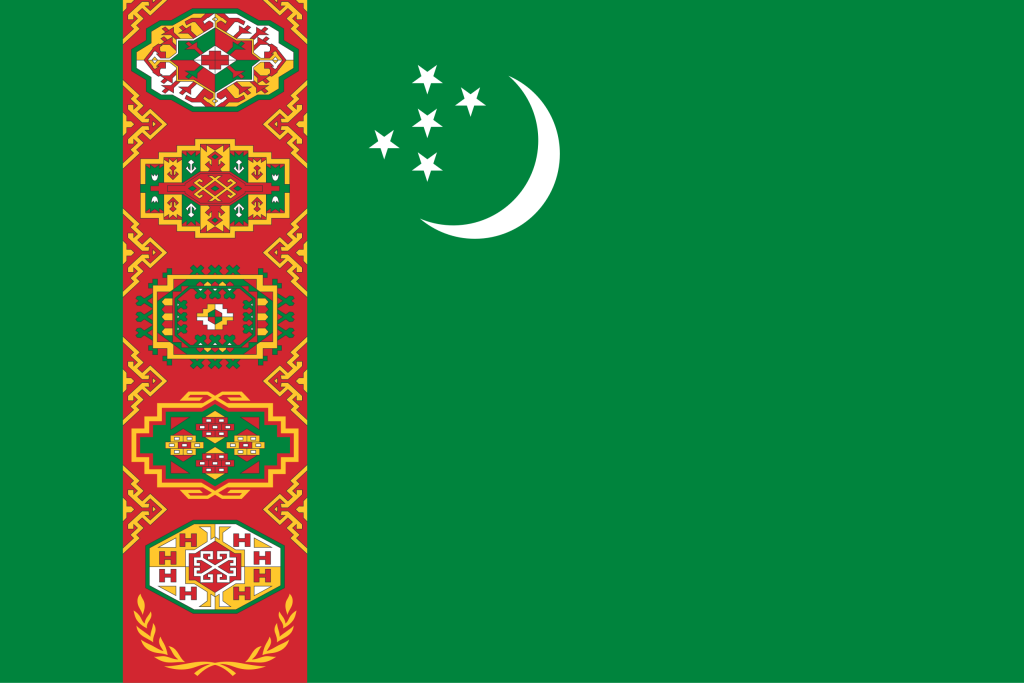
Turkmenistan
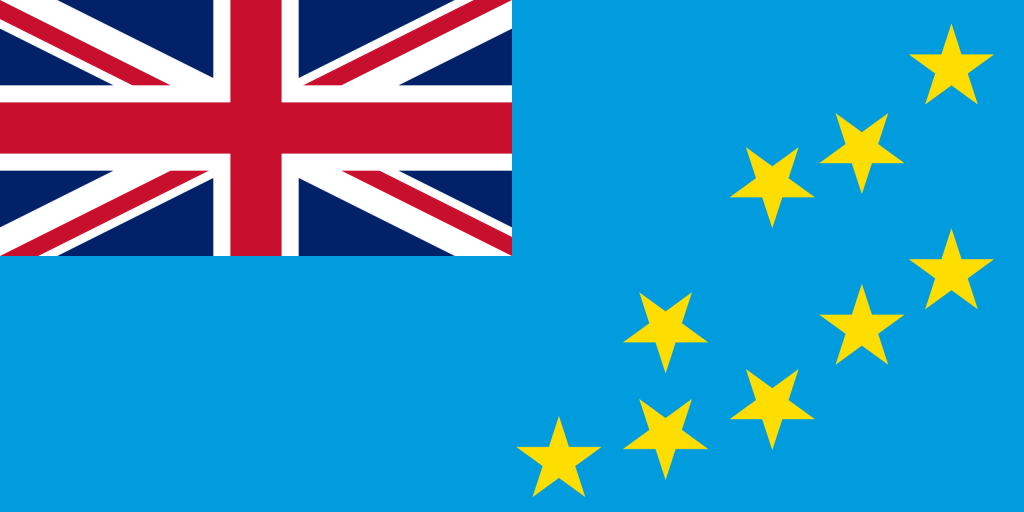
Tuvalu
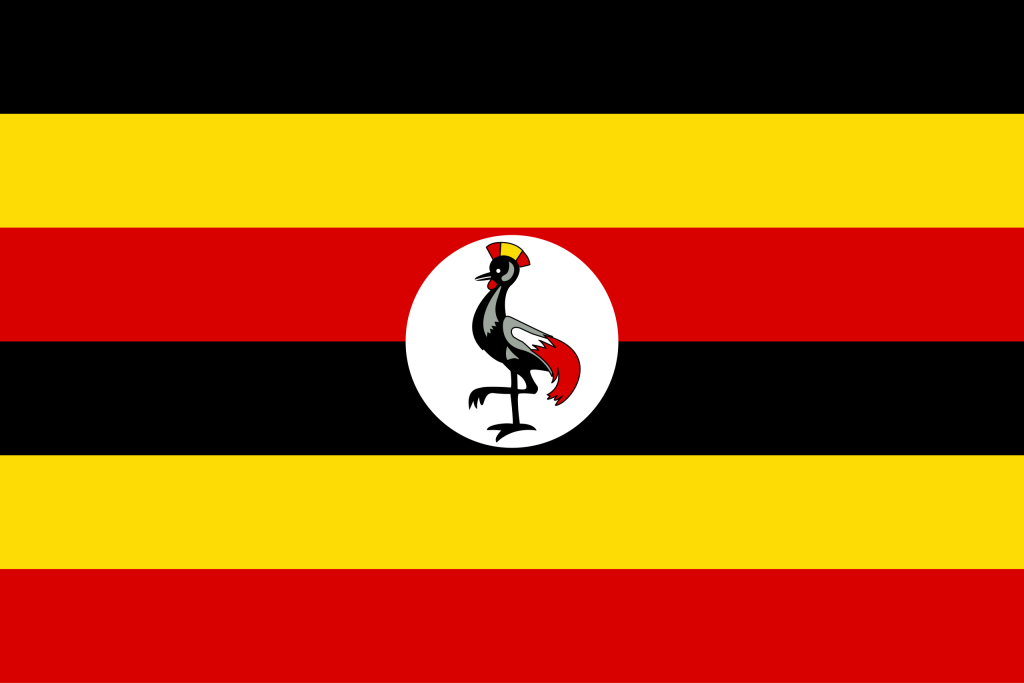
Uganda
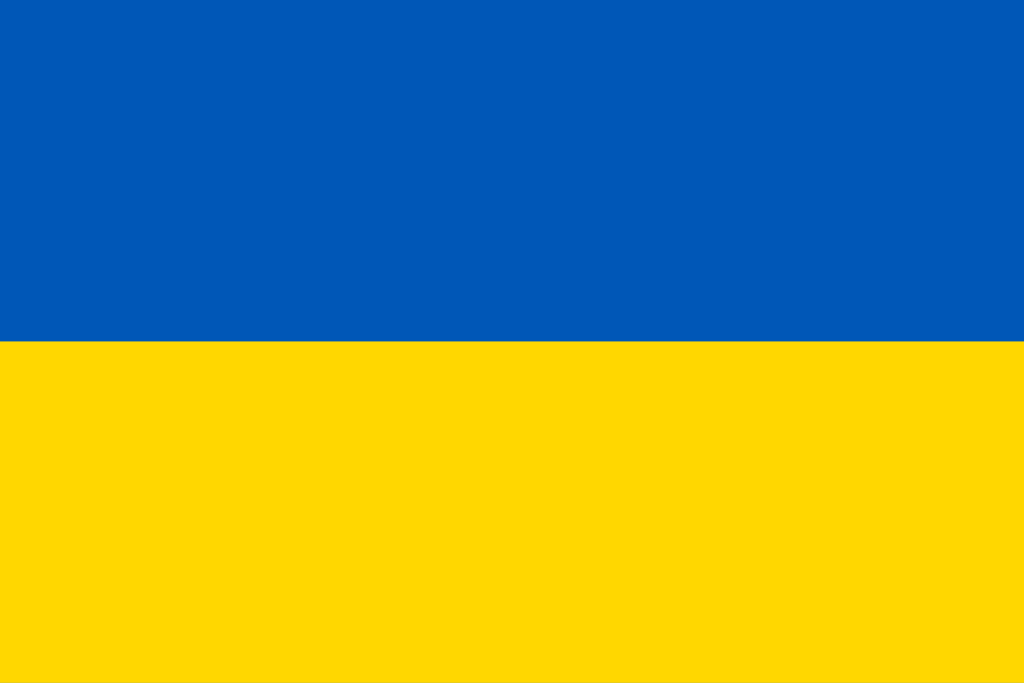
Ukraine
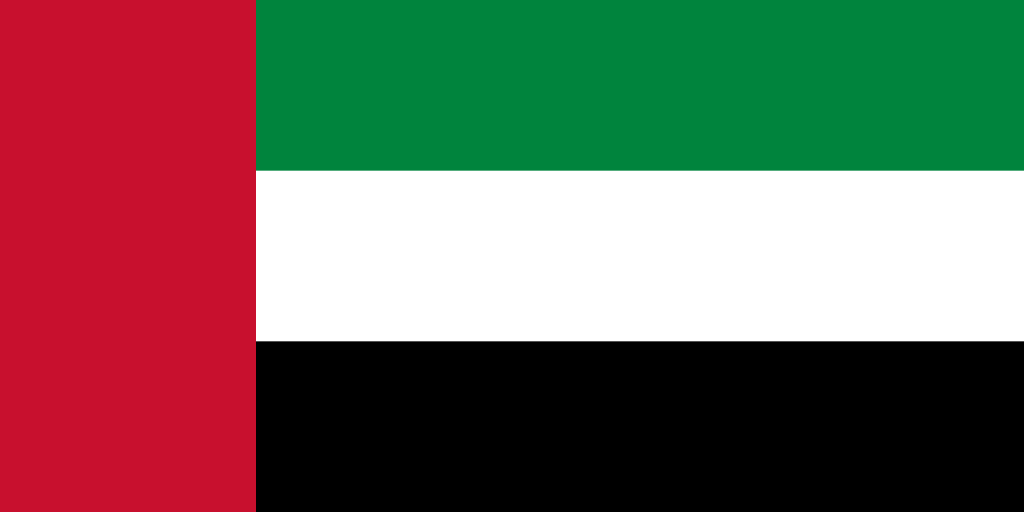
United Arab Emirates
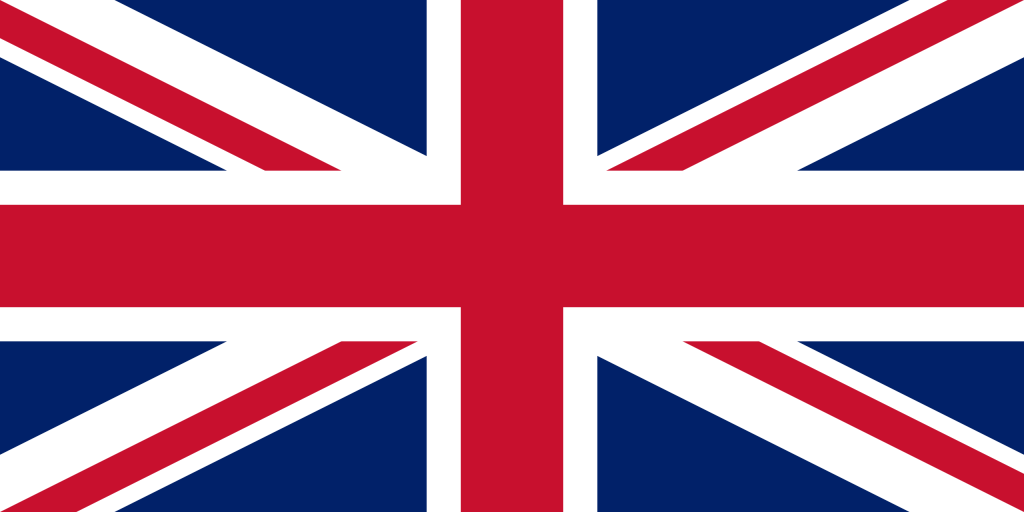
United Kingdom
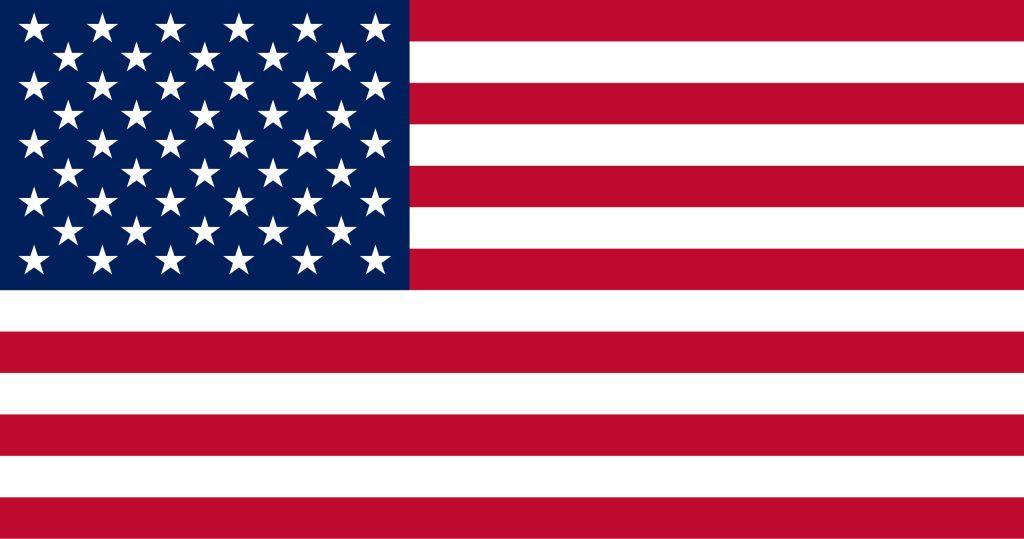
United States
Uruguay
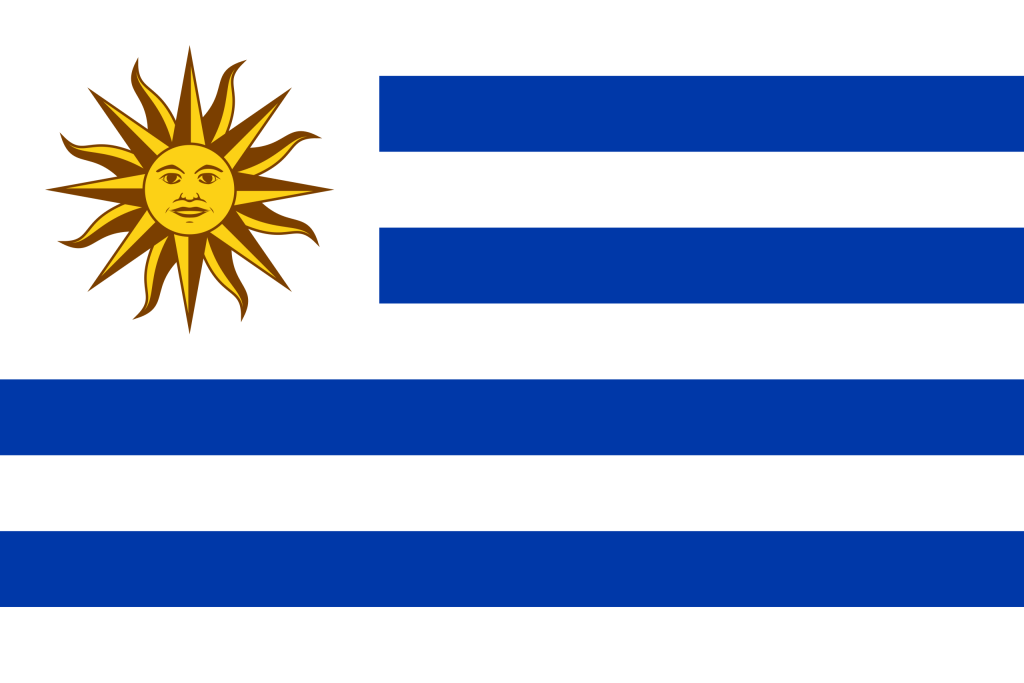
Uzbekistan
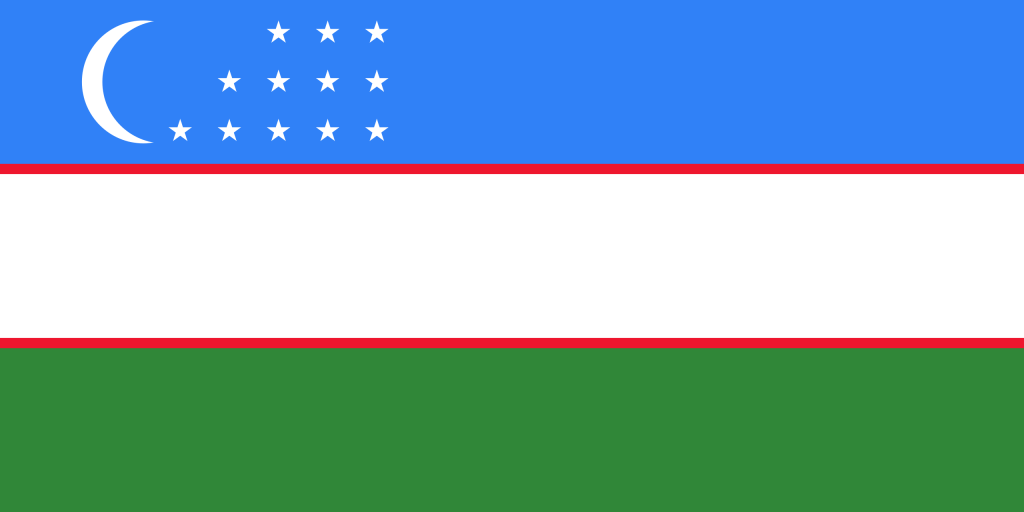
Vanuatu
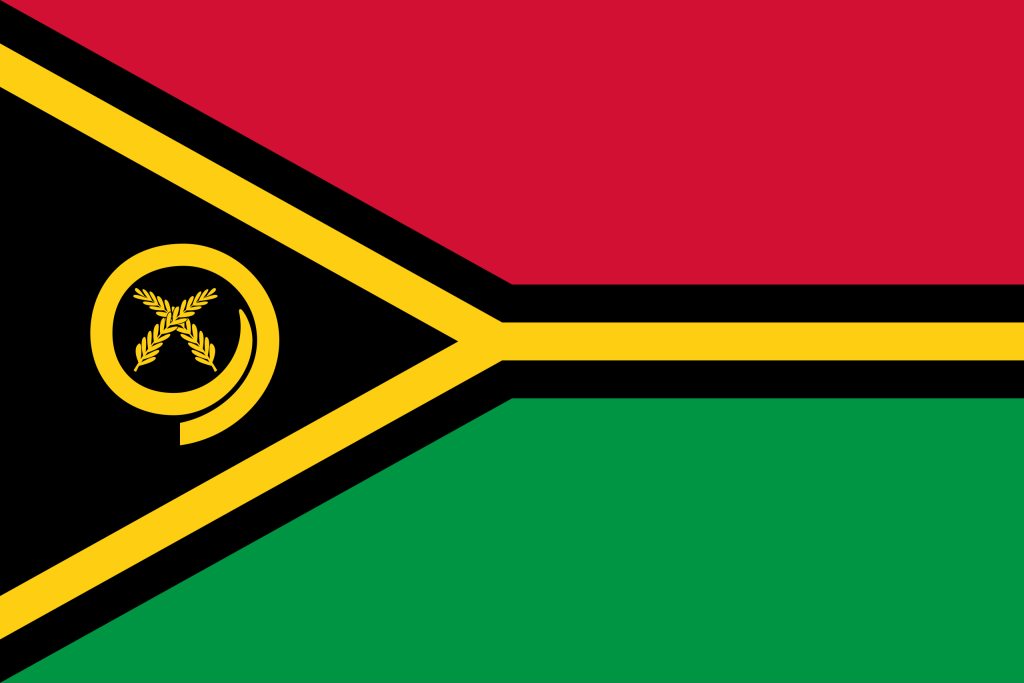
Vatican City
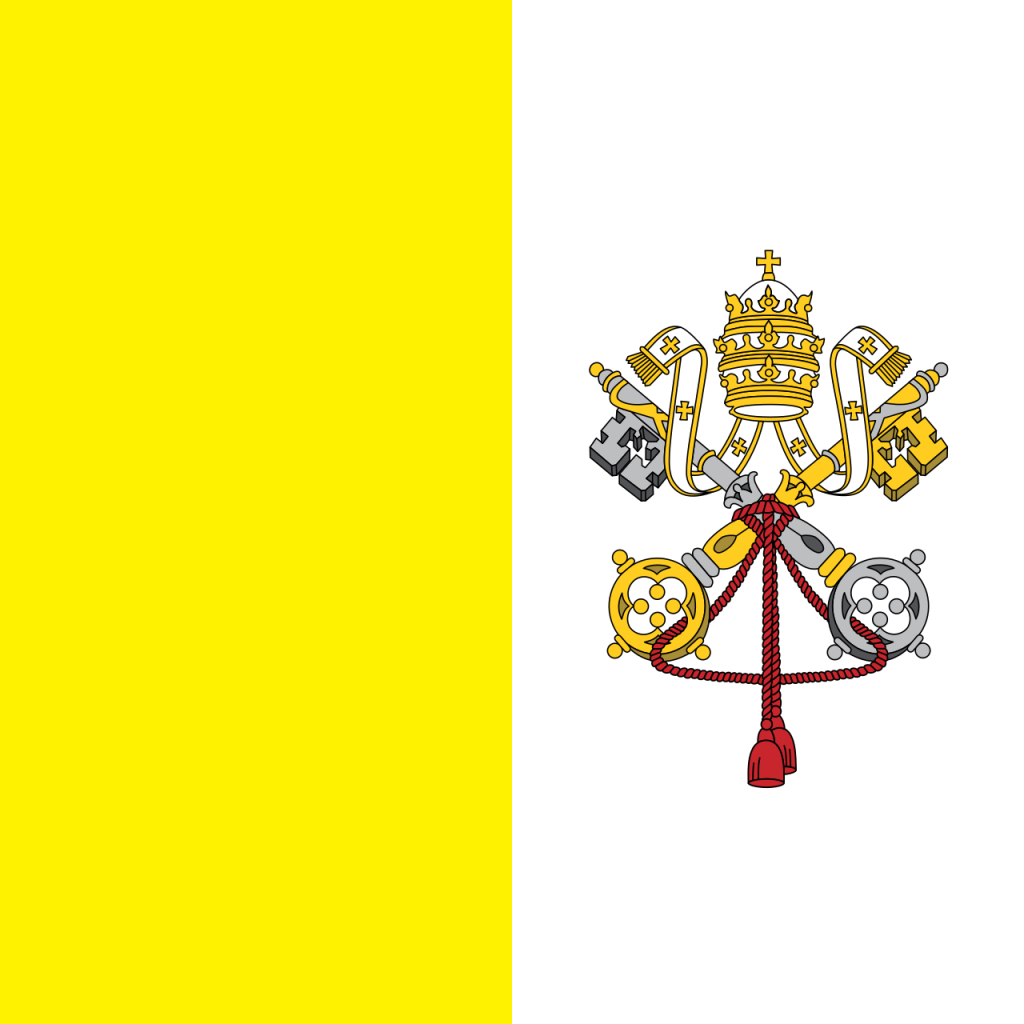
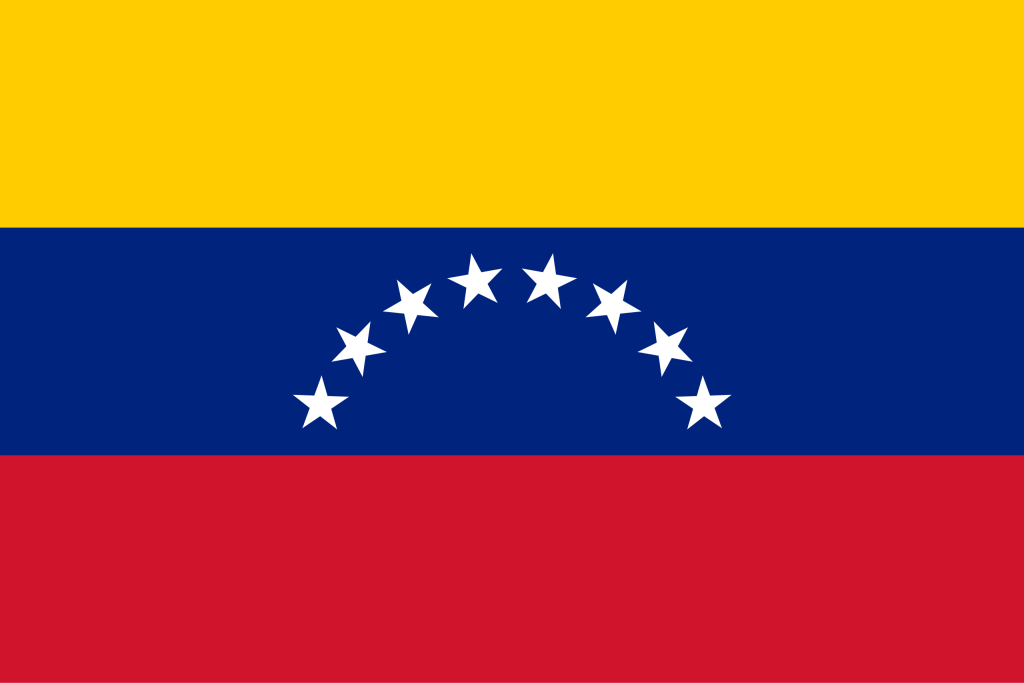
Venezuela
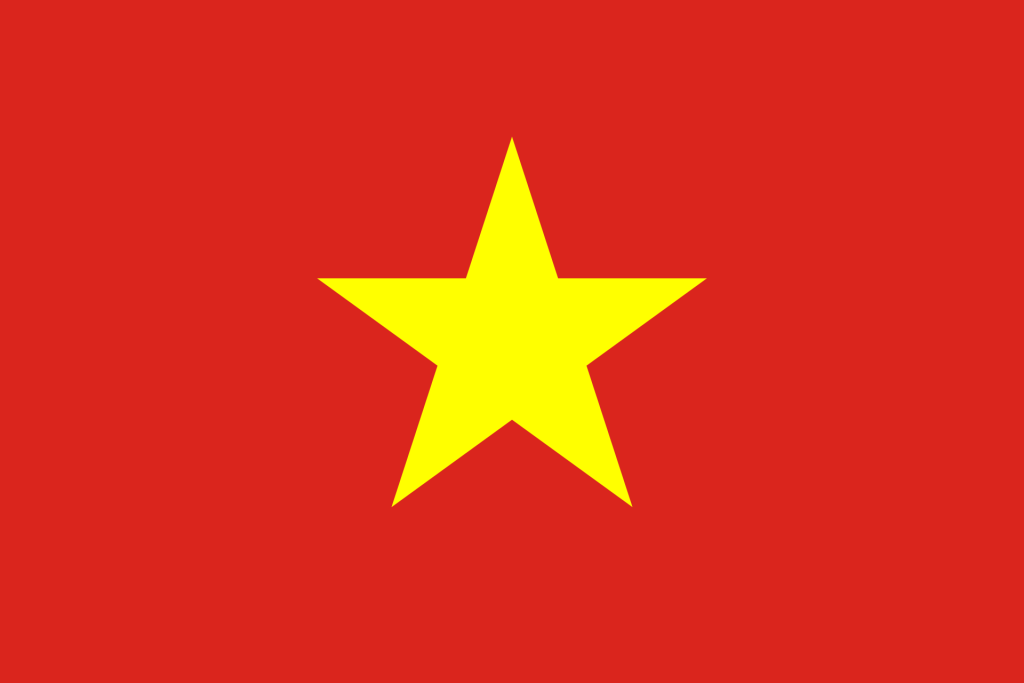
Vietnam
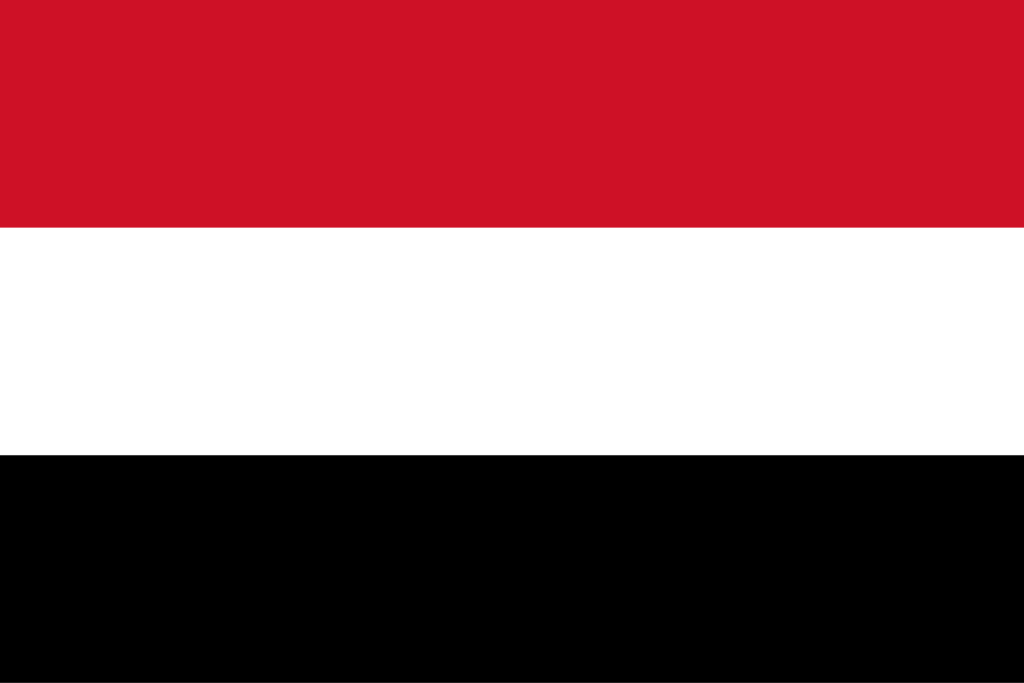
Yemen
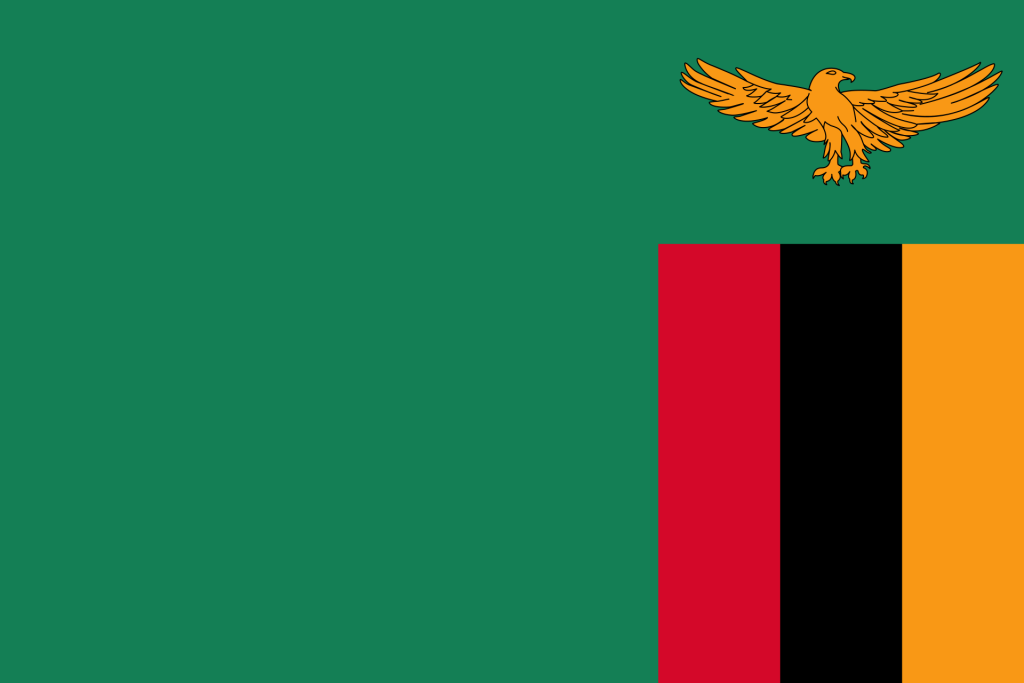
Zambia
Zimbabwe