🇹🇿 Quick Overview
- Official Name: United Republic of Tanzania
- Capital: Dodoma
- Largest City: Dar es Salaam
- Population: ~68 million
- Area: 947,303 km²
- Currency: Tanzanian Shilling (TZS)
- Language(s): Swahili, English
- Visa Policy: Visa-on-arrival or eVisa for many nationalities
- Plug Type: Type D & G (230V)
- Driving Side: Left
- Time Zone: UTC+3
Tanzania is an East African country known for its wildlife safaris, Mount Kilimanjaro, and the Indian Ocean islands of Zanzibar.
🗺 Geography Snapshot
- Region: East Africa
- Borders: Kenya, Uganda, Rwanda, Burundi, Democratic Republic of the Congo, Zambia, Malawi, Mozambique
- Coastline: Indian Ocean (~1,400 km)
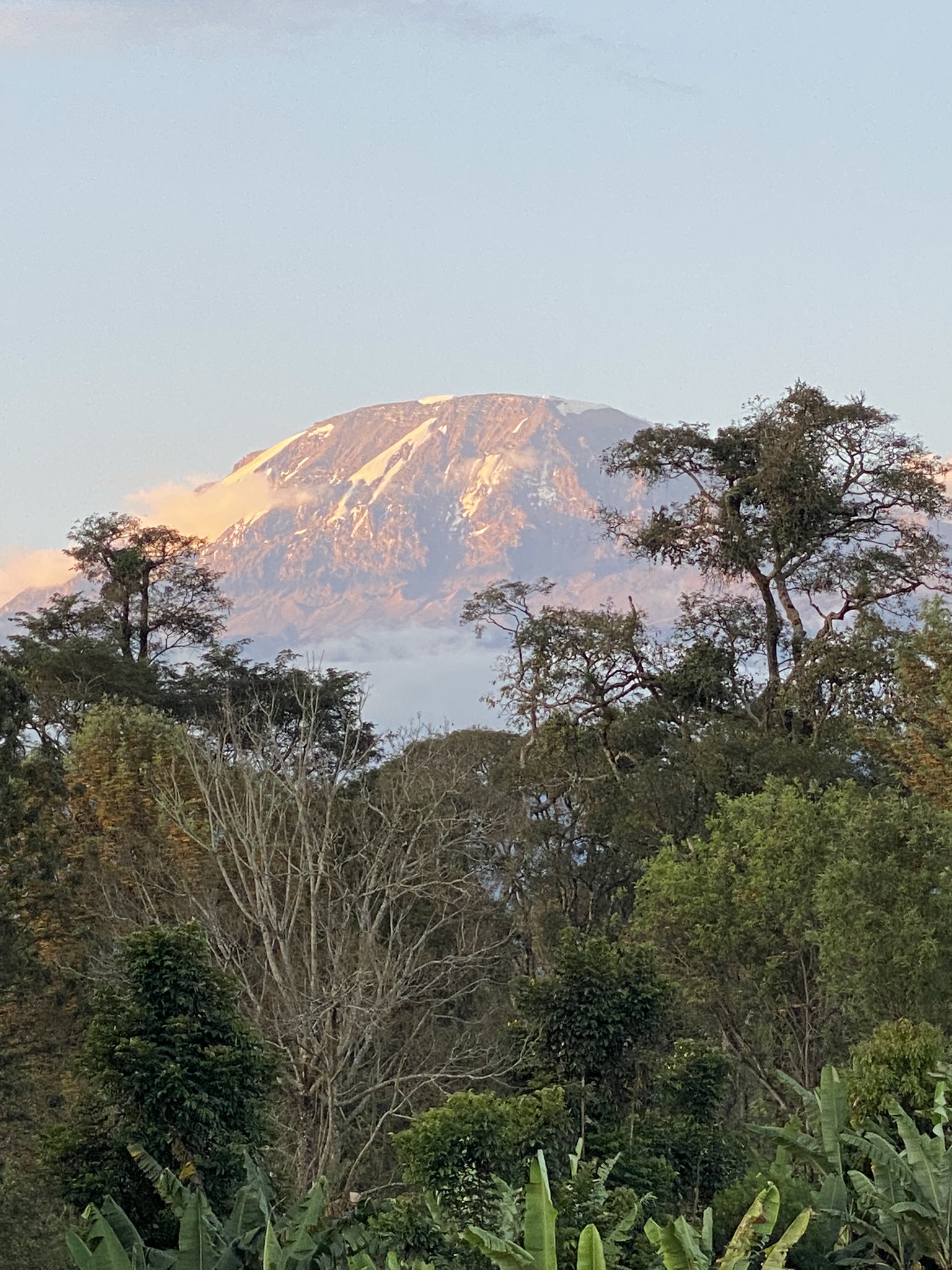
- Highest Point: Mount Kilimanjaro — 5,895 m
- Major Natural Features: Serengeti, Rift Valley lakes, savannahs, Zanzibar archipelago
- Climate: Tropical coast, temperate highlands, arid interior zones
Tanzania contains some of Africa’s most iconic landscapes and wildlife ecosystems.
✈️ Getting There & Around
Main International Airports
- Julius Nyerere International Airport (DAR) – Dar es Salaam
- Kilimanjaro International Airport (JRO)
Connectivity Level: Strong regional and safari-tourism connections.
Domestic Transport Quality
- Train network: Limited but expanding
- Bus system: Widely used
- Car rental: Common for safaris
- Domestic flights: Essential for long distances and parks
Ease of Travel Rating:
Moderate — distances are large and infrastructure varies.
🏙 Key Regions for Travelers
🦁 Serengeti National Park
Highlights:
- Wildlife safaris
- Great Migration
- Savannah landscapes
Recommended stay: 3–5 days
⛰️ Mount Kilimanjaro
Highlights:
- Mount Kilimanjaro trekking
- Africa’s highest mountain
- Diverse ecological zones
Stay: 5–8 days for climbs
🌴 Zanzibar
Highlights:
- Stone Town
- Indian Ocean beaches
- Swahili coastal culture
Stay: 3–5 days
🌆 Dar es Salaam
Highlights:
- Coastal urban life
- Markets and food culture
- Major transport hub
Stay: 1–2 days
🍲 Food & Drink Snapshot
Tanzanian cuisine reflects African, Indian, and Swahili influences.
- Signature dishes: Ugali, nyama choma
- Traditional foods: Rice dishes, seafood, curries
- Street food: Grilled meats and snacks
- Drinks: Tea, coffee, tropical juices
Coastal regions have especially strong Swahili and Indian influences.
💰 Cost Level (Rough Guide)
- Budget accommodation: $20–60
- Mid-range hotel: $80–220
- Casual meal: $4–12
- Safari costs: Often high
Cost Level: Moderate–High depending on safari style
Wildlife tourism can significantly increase expenses.
🛡 Safety & Practicalities
- General safety: Generally manageable with precautions
- Tap water: Not safe to drink
- SIM cards: Cheap and widely available
- Infrastructure: Variable but improving
Travel logistics can be demanding outside major tourism circuits.
📅 Best Time to Visit
- Safari season: June–October
- Zanzibar/beaches: June–March
- Rainy seasons: March–May and November
Best overall months: July–October
⏳ Ideal Trip Length
- Short visit: 5–7 days
- Classic itinerary: 10–14 days
- In-depth exploration: 3+ weeks
🌍 Why Tanzania Matters Globally
- Home to iconic safari ecosystems
- Africa’s highest mountain
- Rich Swahili coastal heritage
- Major biodiversity and conservation importance
🧭 Who Tanzania Is For
✓ Safari travelers
✓ Adventure and trekking enthusiasts
✓ Beach and island travelers
✓ Wildlife photographers
✓ East Africa explorers
📝 QuixoticGuide Note
Tanzania feels expansive.
Distances are large, landscapes shift dramatically, and wildlife moves across ecosystems on a scale that feels almost cinematic. From the savannahs of the Serengeti to the beaches of Zanzibar, the country constantly changes character.
For travelers, Tanzania offers something iconic yet deeply varied:
a journey through some of Africa’s most recognizable landscapes and experiences.