Introduction
The flag of Lebanon is one of the most distinctive and meaningful national flags in the world. Featuring a green cedar tree set against white and red horizontal stripes, it reflects Lebanon’s history, geography, and enduring national identity. More than just a symbol of the state, the flag represents the resilience, diversity, and aspirations of the Lebanese people.
Adopted on 7 December 1943, shortly before Lebanon achieved independence, the flag has become an enduring emblem of a country that has stood at the crossroads of civilizations for thousands of years.
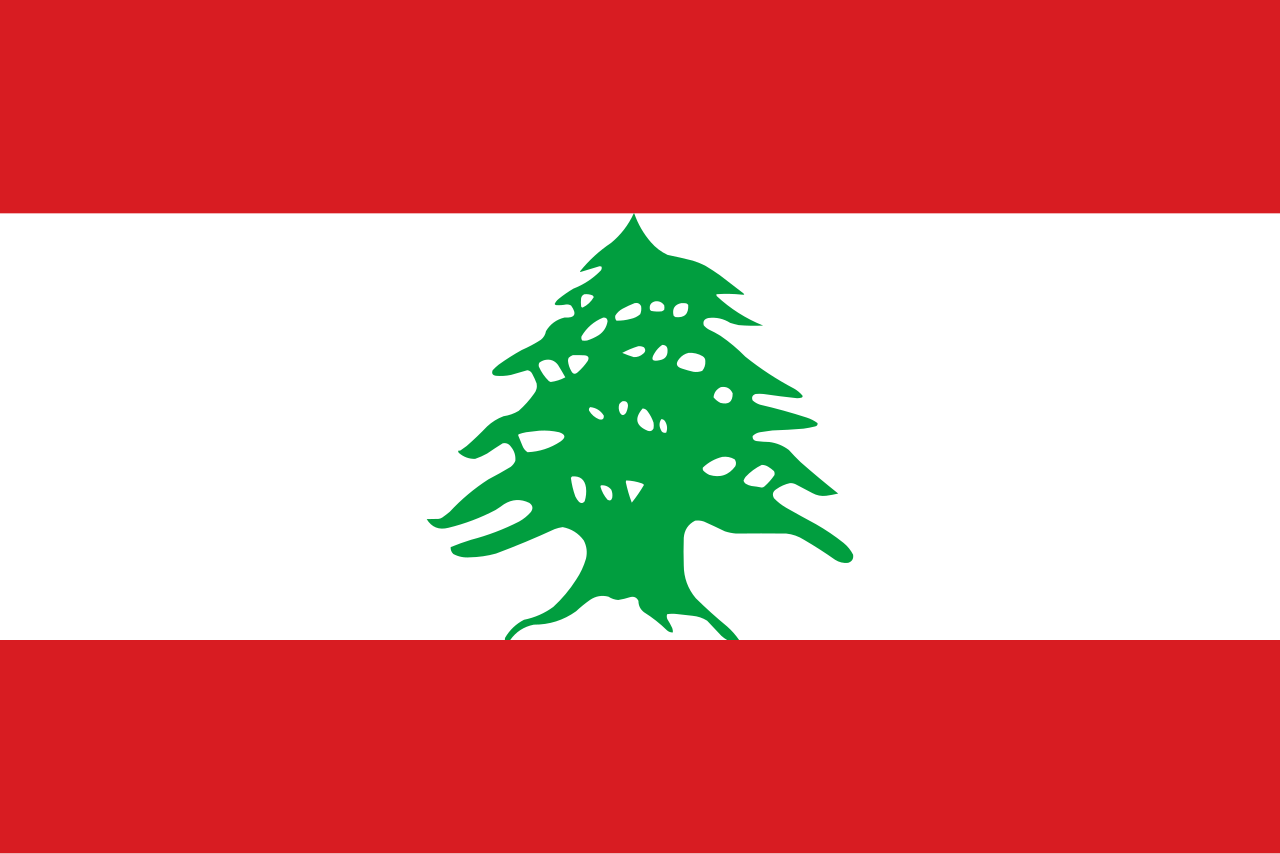
Design
The Lebanese flag consists of three horizontal bands:
- A red band at the top
- A wider white band in the center
- A red band at the bottom
Centered on the white band is a green cedar tree, known as the Cedar of Lebanon.
The proportions of the flag are 2:3, and the cedar tree extends into both red bands while remaining rooted in the white section.
6
Meaning of the Colors and Symbols
Red
The red stripes symbolize the sacrifices made by those who fought for Lebanon and defended its freedom throughout history. They are often associated with courage, strength, and the blood shed for the nation.
White
The white band represents peace, purity, and the snow-covered mountains that dominate much of Lebanon’s landscape. The country’s highest peaks receive significant snowfall during winter, creating a striking contrast with the Mediterranean coast.
The Cedar Tree
The cedar is the most important symbol on the flag and has been associated with Lebanon for thousands of years.
The Cedar of Lebanon is renowned for its longevity, strength, and majestic appearance. Ancient civilizations prized Lebanese cedar wood for shipbuilding, construction, and religious monuments. The tree appears in numerous historical and religious texts and has become a symbol of permanence and resilience.
Today, the cedar remains a powerful representation of Lebanese identity and national pride.
History of the Lebanese Flag
Before independence, Lebanon was administered under the French Mandate following the collapse of the Ottoman Empire after the First World War.
During this period, versions of the Lebanese flag often incorporated the French tricolor. As independence approached in 1943, Lebanese leaders sought a unique national symbol that reflected the country’s own identity rather than its colonial past.
The modern design was adopted on 7 December 1943 and has remained unchanged ever since. The inclusion of the cedar tree connected the new republic to its ancient heritage while emphasizing unity among Lebanon’s diverse communities.
The Cedar of Lebanon
The cedar forests of Lebanon were once famous throughout the ancient world. Wood from these trees was used by the Phoenicians, one of history’s greatest maritime civilizations, as well as by neighboring kingdoms and empires.
Today, only a fraction of the original forests remain. Some of the most famous groves can be found at Cedars of God, a UNESCO-listed site that preserves some of the oldest cedar trees in the country.
The cedar has become so closely associated with Lebanon that it appears not only on the national flag but also on the country’s coat of arms, military insignia, currency, and countless logos.
The Flag in Modern Lebanon
The Lebanese flag is widely displayed throughout the country. It can be seen flying over government buildings, schools, businesses, churches, mosques, and private homes.
During times of celebration and crisis alike, the flag serves as a powerful reminder of national unity. It is also an important symbol for the millions of people of Lebanese descent living around the world, connecting them to their ancestral homeland.
For many Lebanese, the cedar tree represents hope that the country will continue to endure and thrive despite political, economic, and social challenges.
Quick Facts
| Fact | Detail |
|---|---|
| Country | Lebanon |
| Adopted | 7 December 1943 |
| Ratio | 2:3 |
| Colors | Red, White, Green |
| Symbol | Cedar of Lebanon |
| Meaning | Sacrifice, peace, resilience, national identity |
QuixoticGuide Note
Having visited much of Lebanon, one of the most striking aspects of the country is the pride with which the national flag is displayed. From the busy streets of Beirut to mountain villages overlooking the Mediterranean, the cedar flag is everywhere. It reflects not only a shared national identity but also the remarkable resilience of a country that has faced countless challenges while maintaining its unique cultural character.
Conclusion
The flag of Lebanon is far more than a simple national emblem. Through its colors and its iconic cedar tree, it tells the story of a nation shaped by history, mountains, trade, diversity, and perseverance. It stands as a symbol of unity and hope for Lebanese people both at home and across the world. 🇱🇧🌲