🇱🇧 Quick Overview
- Official Name: Lebanese Republic
- Capital: Beirut
- Largest City: Beirut
- Population: ~5.5 million
- Area: 10,452 km²
- Currency: Lebanese Pound (LBP)
- Language(s): Arabic, French, English widely spoken
- Visa Policy: Visa-on-arrival for many nationalities
- Plug Type: Type C, D & G (230V)
- Driving Side: Right
- Time Zone: UTC+2 (UTC+3 in summer)
Lebanon is a small Middle Eastern country known for its Mediterranean coastline, ancient history, and vibrant cultural life, shaped by centuries of trade, conflict, and resilience.
🗺 Geography Snapshot
- Region: Western Asia / Middle East
- Borders: Syria, Israel
- Coastline: Mediterranean Sea (~225 km)
- Highest Point: Qurnat as Sawda — 3,088 m
- Major Natural Features: Mount Lebanon range, Mediterranean coast, Bekaa Valley, cedar forests
- Climate: Mediterranean climate with hot summers and mild, wet winters
Lebanon’s geography is defined by the Mount Lebanon mountains running parallel to the coast, creating a diverse and compact landscape.
✈️ Getting There & Around
Main International Airport
- Beirut–Rafic Hariri International Airport (BEY/OLBA)
- René Mouawad International Airport (KYE/OLKA)
Connectivity Level: Good regional connections, though subject to political conditions.
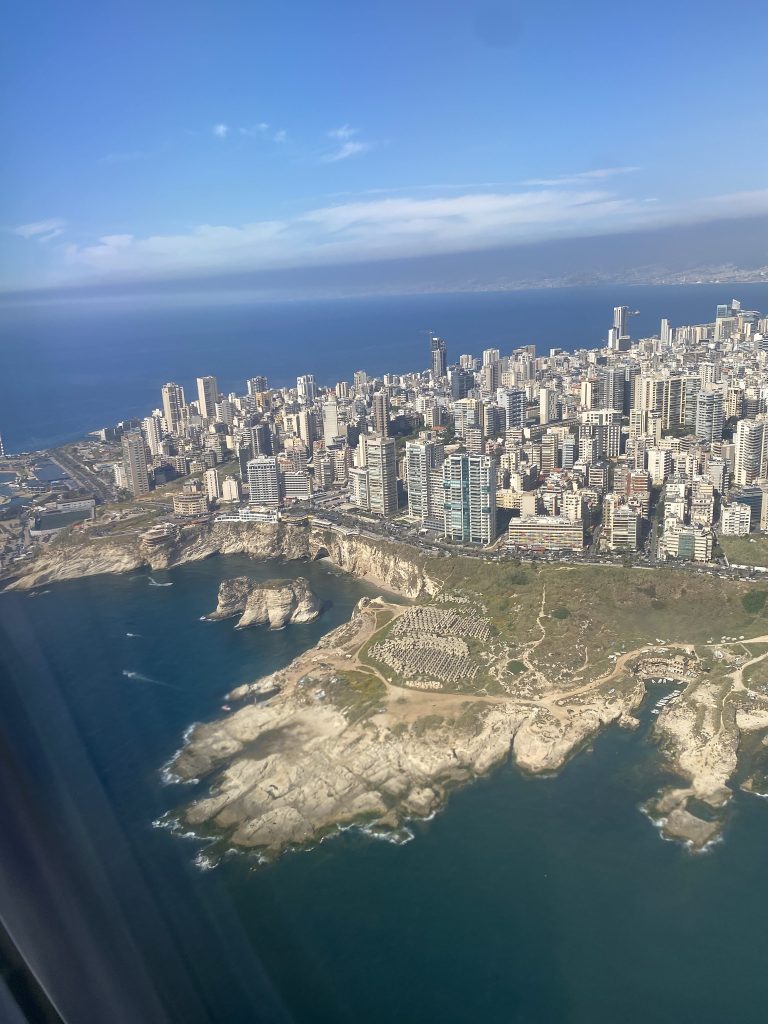
Domestic Transport Quality
- Train network: Not operational
- Bus system: Informal but widely used
- Car rental: Common but driving can be chaotic
- Domestic flights: Not applicable
Ease of Travel Rating:
Moderate — distances are short, but infrastructure and traffic can be challenging.
🏙 Key Regions for Travelers
🌆 Beirut
Highlights:
- Beirut nightlife and cafés
- Corniche waterfront
- Museums and cultural life
Recommended stay: 2–3 days
🏛️ Byblos (Jbeil)
Highlights:
- Byblos ancient port city
- Historic ruins and harbor
- One of the oldest continuously inhabited cities
Stay: 1 day
⛰️ Mount Lebanon & Cedars
Highlights:
- Cedars of God
- Mountain landscapes
- Hiking and nature
Stay: 1–2 days
🌄 Bekaa Valley
Highlights:
- Vineyards and wineries
- Roman ruins at Baalbek
- Agricultural landscapes
Stay: 1–2 days
🍲 Food & Drink Snapshot
Lebanese cuisine is widely regarded as one of the best in the Middle East.
- Signature dishes: Kibbeh, Mezze, hummus, tabbouleh
- Traditional foods: Grilled meats, flatbreads
- Street food: Shawarma, manakish
- Drinks: Lebanese wine, arak
Meals are social, varied, and central to daily life.
💰 Cost Level (Rough Guide)
- Budget accommodation: $30–70
- Mid-range hotel: $80–180
- Casual meal: $5–15
- Taxi ride: $5–20
Cost Level: Moderate (high variability due to economic conditions)
Lebanon can be affordable but prices fluctuate.
🛡 Safety & Practicalities
- General safety: Situation-dependent
- Tap water: Not recommended to drink
- SIM cards: Easy to obtain
- Infrastructure: Mixed
Conditions can change quickly – stay informed before and during travel.
📅 Best Time to Visit
- Spring: April–June
- Summer: Hot and lively
- Autumn: September–October
- Winter: Snow in mountains
Best overall months: May–June and September
⏳ Ideal Trip Length
- Short visit: 3–4 days
- Classic itinerary: 5–7 days
- In-depth exploration: 8–10 days
🌍 Why Lebanon Matters Globally
- Historic Phoenician civilization
- Cultural and religious diversity
- Major influence on Middle Eastern cuisine
- Strategic location in regional geopolitics
🧭 Who Lebanon Is For
✓ Cultural explorers
✓ Food lovers
✓ History enthusiasts
✓ Middle East travelers
✓ Travelers seeking contrast and depth
📝 QuixoticGuide Note
Lebanon feels intense in a way few places do.
Mountains rise quickly from the sea, history is layered into every city, and daily life carries both energy and uncertainty. It’s a country of contrasts—vibrant yet fragile, modern yet deeply rooted in the past.
For those willing to embrace its complexity, Lebanon offers an experience that is as emotional as it is memorable.