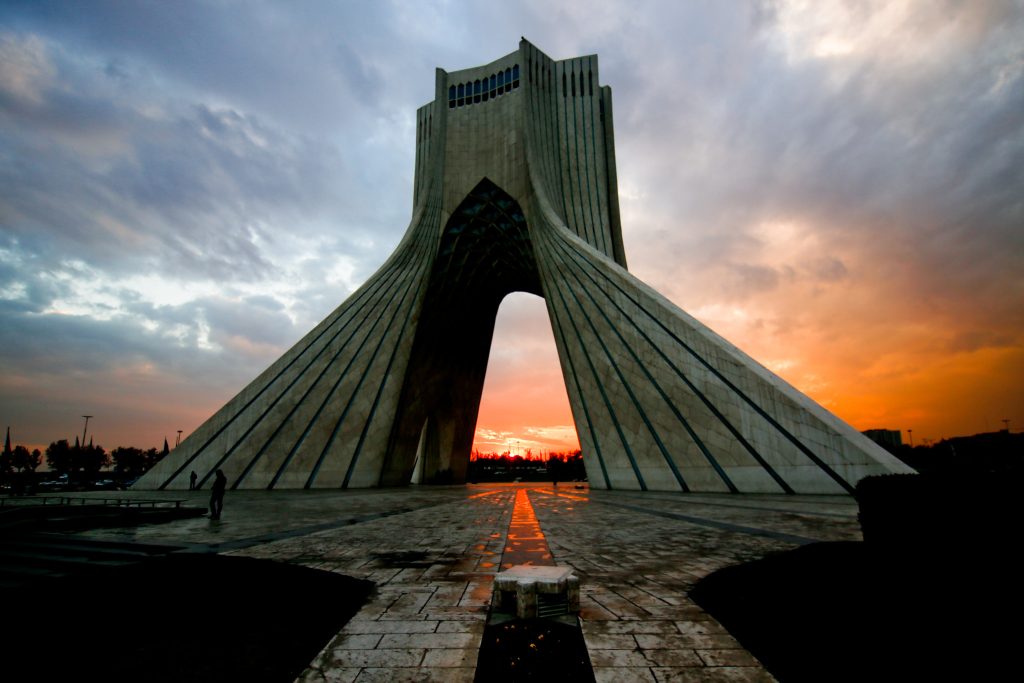
🇮🇷 Quick Overview
- Official Name: Islamic Republic of Iran
- Capital: Tehran
- Largest City: Tehran
- Population: ~88 million
- Area: 1,648,195 km²
- Currency: Iranian Rial (IRR)
- Language(s): Persian (Farsi)
- Visa Policy: Visa required for most travelers
- Plug Type: Type C & F (230V)
- Driving Side: Right
- Time Zone: UTC+3:30
Iran is one of the world’s oldest civilizations, offering extraordinary architecture, desert landscapes, and a deeply rooted cultural identity shaped by ancient Persia.
🗺 Geography Snapshot
- Region: Middle East / Western Asia
- Borders: Turkey, Iraq, Afghanistan, Pakistan, Armenia, Azerbaijan, Turkmenistan
- Coastline: Persian Gulf & Caspian Sea
- Highest Point: Mount Damavand — 5,610 m
- Major Natural Features: Deserts, mountains, plateaus
- Climate: Arid to continental
Iran’s geography ranges from snowy mountains to vast deserts like Dasht-e Kavir.
✈️ Getting There & Around
Main International Airports
- Imam Khomeini International Airport (IKA)
- Shiraz International Airport
Connectivity Level: Moderate (limited Western connections)
Domestic Transport
- Flights: Useful for long distances
- Trains: Reliable and affordable
- Buses: Extensive network
- Taxis: Very common
Ease of Travel Rating:
Moderate — logistics manageable, but regulations matter.
🏙 Key Regions for Travelers
🏙 Tehran
Highlights:
- Modern capital with historic sites
- Museums and bazaars
- Gateway to the country
Recommended stay: 1–2 days
🕌 Isfahan
Highlights:
- One of the most beautiful cities in the Middle East
- Naqsh-e Jahan Square
- Persian architecture and bridges
Stay: 2–3 days
🏺 Persepolis & Shiraz
Highlights:
- Ancient Persian capital Persepolis
- Shiraz: poetry, gardens, and mosques
Stay: 2–3 days
🏜 Yazd
Highlights:
- Desert city with wind towers
- Zoroastrian heritage
- Unique architecture
Stay: 1–2 days
🍽 Food & Drink Snapshot
Iranian cuisine is rich and aromatic.
- Signature dishes: Kebab, ghormeh sabzi
- Staples: Rice, herbs, lamb
- Street food: Sandwiches, snacks
- Drinks: Tea (very important culturally)
Food is a central part of hospitality.
💰 Cost Level (Rough Guide)
- Budget accommodation: $10–30
- Mid-range hotel: $40–120
- Casual meal: $2–8
- Transport: Very affordable
Cost Level: Low
🛡 Safety & Practicalities
- Crime: Generally low for tourists
- Political/legal risks: High (key concern)
- Dress code:
- Women must wear a headscarf and modest clothing
- Payments:
- Foreign bank cards usually don’t work
📅 Best Time to Visit
- Spring: March–May
- Autumn: September–October
Best overall: Spring and autumn (mild temperatures)
⏳ Ideal Trip Length
- Short trip: 5–7 days
- Classic itinerary: 10–14 days
🌍 Why Iran Matters Globally
- One of the world’s oldest civilizations (Persian Empire)
- Major regional power
- Rich cultural and architectural heritage
- Strategic geopolitical importance
🧭 Who It’s For
✓ History and culture enthusiasts
✓ Architecture lovers
✓ Experienced travelers
✓ Off-the-beaten-path explorers
📝 QuixoticGuide Note
Iran is a country of contrasts: extraordinary cultural richness paired with complex modern realities. For those who visit, the experience is often defined by its people—welcoming, curious, and deeply proud of a civilization that spans millennia.
Iran: timeless, complex, welcoming — the heart of Persia still beats strong.