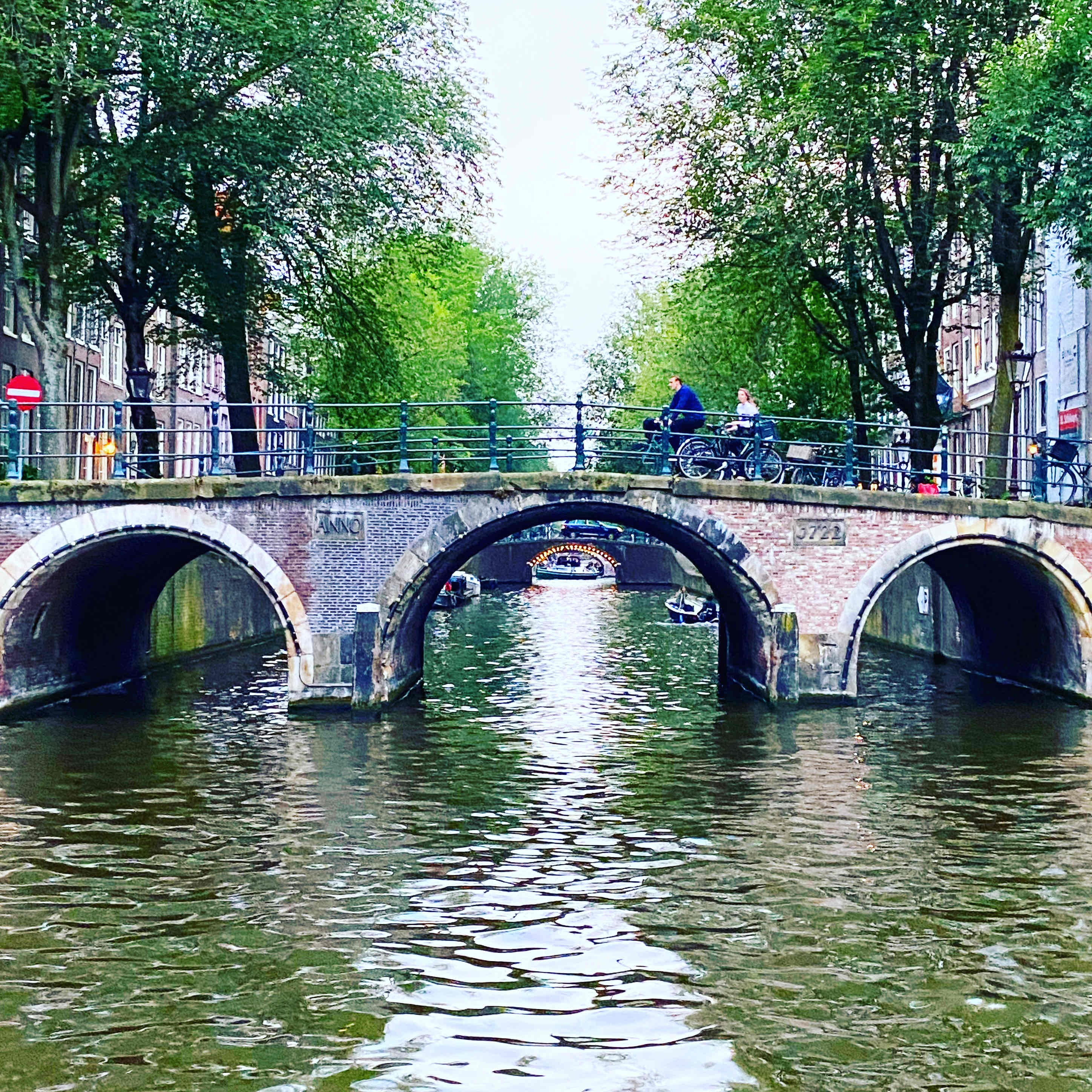
Amsterdam, the capital of the Netherlands, is known for its picturesque canals, historic buildings, vibrant cultural scene, and a unique mix of history and modernity. Here’s a comprehensive guide to help you make the most of your trip to this beautiful city.
1. Getting Around
- Public Transportation: Amsterdam has an efficient public transport system, including trams, buses, ferries, and metro lines. The OV-chipkaart, a rechargeable travel card, is a convenient way to pay for public transportation.
- Cycling: Bicycles are a popular mode of transportation. Renting a bike is a great way to explore the city like a local. There are many bike rental shops across Amsterdam.
- Walking: The city center is compact and pedestrian-friendly. Walking is an enjoyable way to discover hidden gems and explore different neighborhoods.
2. Top Attractions
- Rijksmuseum: Home to an extensive collection of Dutch Golden Age paintings, including works by Rembrandt and Vermeer.
- Van Gogh Museum: Dedicated to the works of Vincent van Gogh, showcasing over 200 paintings, drawings, and letters.
- Anne Frank House: The secret annex where Anne Frank wrote her famous diary during World War II. It offers a poignant insight into her life and the history of the Holocaust.
- Vondelpark: A large, popular city park perfect for picnics, bike rides, or a leisurely stroll.
- Dam Square: The heart of Amsterdam, featuring the Royal Palace, Nieuwe Kerk (New Church), and the National Monument.
- Jordaan District: A charming neighborhood with narrow streets, boutiques, art galleries, and cozy cafés.
- Canal Cruise: A boat tour through the canals offers a unique perspective of Amsterdam’s historic architecture and bridges.
3. Unique Experiences
- Heineken Experience: An interactive museum located in the former Heineken brewery, offering tours and tastings.
- A’DAM Lookout: An observation deck with panoramic views of Amsterdam. For thrill-seekers, there’s a swing that goes over the edge of the building.
- Albert Cuyp Market: The largest street market in the Netherlands, perfect for trying Dutch snacks like stroopwafels, herring, and poffertjes (mini pancakes).
- Red Light District: Known for its nightlife and adult entertainment, but also has historic sites like Oude Kerk (Old Church).
- NDSM Wharf: A former shipyard turned creative hub with street art, trendy restaurants, and cultural events.
4. Day Trips from Amsterdam
- Zaanse Schans: A picturesque village with windmills, traditional wooden houses, and artisanal shops.
- Keukenhof Gardens: Famous for its stunning tulip displays (open seasonally from March to May).
- Volendam and Marken: Traditional fishing villages with colorful houses, cheese factories, and wooden shoe makers.
- Haarlem: A charming city with historic buildings, the Teylers Museum, and Grote Markt square.
- Utrecht: Known for its medieval old town, unique canal wharf cellars, and the Dom Tower.
5. Food and Drink
- Dutch Cuisine: Try local dishes such as bitterballen (deep-fried meatballs), Dutch cheese (Gouda, Edam), haring (raw herring), and stamppot (mashed potatoes with vegetables).
- Street Food: Stroopwafels (thin waffles with caramel syrup), poffertjes, and fries with various sauces (Dutch mayonnaise, satay sauce).
- Restaurants and Cafés: Amsterdam offers a wide variety of international cuisine, from Indonesian rijsttafel to Surinamese and Middle Eastern foods. Explore the Pijp or Jordaan neighborhoods for trendy eateries and cozy cafés.
- Bars and Breweries: Visit a traditional “brown café” for a local beer experience or check out craft breweries like Brouwerij ‘t IJ.
6. Shopping
- Nine Streets (De Negen Straatjes): A picturesque area with boutique shops, vintage stores, and independent designers.
- Kalverstraat and Leidsestraat: Popular shopping streets with well-known brands.
- P.C. Hooftstraat: For luxury shopping, featuring high-end brands like Chanel, Louis Vuitton, and Gucci.
- Markets: Besides the Albert Cuyp Market, check out Waterlooplein Flea Market for antiques and second-hand goods, or the Flower Market (Bloemenmarkt) for tulips and bulbs.
7. Practical Tips
- Weather: Amsterdam has a temperate maritime climate. Bring layers, as the weather can be unpredictable, with rain showers even in summer.
- Language: Dutch is the official language, but English is widely spoken.
- Currency: The Euro (€) is the local currency. Credit cards are commonly accepted, but some places may require a PIN or only accept debit cards.
- Safety: Amsterdam is generally safe, but be aware of pickpockets, especially in crowded tourist areas and public transport.
- Cultural Etiquette: Tipping is appreciated but not mandatory (rounding up or 5-10% for good service is standard).
8. Best Time to Visit
- Spring (April to May): For blooming tulips and mild weather.
- Summer (June to August): Warmer weather and numerous festivals, but also the busiest tourist season.
- Fall (September to November): Fewer crowds and beautiful autumn foliage.
- Winter (December to February): Christmas markets, ice skating, and a festive atmosphere, but it can be cold and rainy.
9. Events and Festivals
- King’s Day (April 27th): The entire city turns orange to celebrate the King’s birthday with street markets, parties, and parades.
- Amsterdam Light Festival (December – January): A stunning display of light installations along the canals.
- Pride Amsterdam (August): A vibrant celebration of LGBTQ+ culture, featuring a canal parade and numerous events.
- Tulip Festival (April): Held throughout the city with tulips blooming in various public spaces.